Freedom
2014
No user ratings available yet
Representation score: 3.7 out of 10
Representation Score
Limited
1995
PG-13Director
John Duigan
Runtime
91 minutes
Average Rating
No ratings yetNew Showbiz Analysis
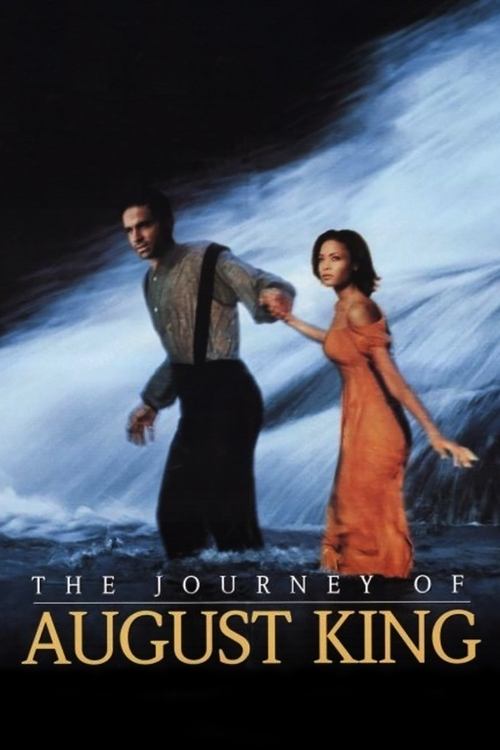
The film effectively uses its historical setting to challenge the moral legitimacy of systemic oppression. By centering Black characters and their spiritual mentorship, it subverts traditional historical narratives. However, the film's patriarchal framework limits the ability to act of female characters and excludes LGBTQ+ identities. Ultimately, it offers a nuanced exploration of resistance against dehumanizing laws while maintaining traditional gender hierarchies.
Category Breakdown
The film does not include any LGBTQ+ characters. The story focuses on racial and generational dynamics set in 1815.
The story is predominantly centered around male characters, highlighting their bonds and decision-making processes. Female characters have limited influence, as the main conflict is driven by male actions.
The film highlights the experiences of Black characters. It challenges stereotypes by portraying a Black character as a spiritual and intellectual guide to the white protagonist.
The narrative criticizes the oppressive legal system of the South. It portrays Black spirituality as a strong counter-narrative to the dominant religious institutions of the time.
There are no significant representations of visible or invisible disabilities in the main storyline.
Present on Screen
Limited or Absent
Official Synopsis
The Journey of August King is a multi-dimensional drama about a North Carolina farmer in 1815. August King, a widower, is on his way home as he does every year after selling his produce and purchasing the stock and goods he will need to survive the winter. On his journey, he comes upon a run-away slave, a young woman about 19 and August King must decide to violate the law and help this slave to freedom or else leave her to be hunted down and, ultimately, returned to her slave owner.
2014
1977
1998

1971
1997
1997
2000

1965
No reviews yet. Be the first to share your thoughts on this movie!
Use the rating form above to leave a star rating and optional review.