Ecstasy
1933
No user ratings available yet
Representation score: 3.0 out of 10
Representation Score
Limited
1928
Director
Jean Grémillon
Runtime
81 minutes
Average Rating
No ratings yetNew Showbiz Analysis
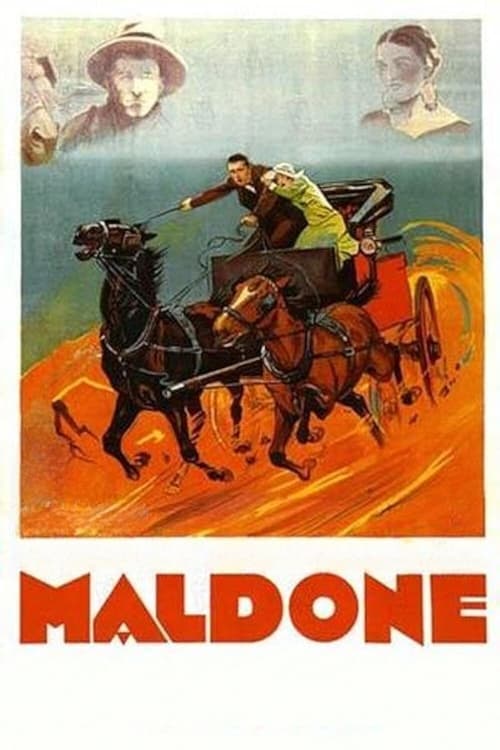
Jean Grémillon’s 1928 drama succeeds by challenging the conventional clichés of early cinema. Instead of validating the stability of the landed gentry, the film portrays traditional social hierarchies as sources of psychological entrapment and restlessness. The narrative gains depth through the intersection of class struggle and ethnic identity. By centering the protagonist's obsession on a Romani character, the film moves beyond simple social archetypes to explore more complex, disruptive emotional truths. While the film lacks LGBTQ+ or disability representation, its critique of rigid social structures and its nuanced handling of gendered expectations provide a layered character study.
Category Breakdown
The film focuses solely on heterosexual relationships and does not include any characters with LGBTQ+ identities or queer subtext.
Female characters such as Zita and the neighbor's daughter play crucial roles in the protagonist's internal struggles. The film portrays marriage as a restrictive social contract rather than an idealized domestic life.
The inclusion of Zita, a Romani character, stands out as a significant departure from the otherwise homogeneous social structure of the estate. She serves as the emotional core of the protagonist's journey.
The story explores the rejection of inherited responsibilities and class-based duties. It prioritizes emotional truth over the preservation of traditional family units or land ownership.
There is no representation of physical or neurodivergent disabilities within the story.
Present on Screen
Limited or Absent
Official Synopsis
Maldone is a canal worker, happy with his life after running away from his family estate. He falls in love with Zita, a young gypsy girl, during a local fete. However, after his brother dies, Maldone is called back to manage the estate. There, he takes up the life of a landowner and marries a neighbor's daughter. Years later Maldone is still restless on the estate, and becomes obsessed with Zita, after meeting her by chance one evening.
1933
1938
1921

1923
1923
1934
1934

1930
No reviews yet. Be the first to share your thoughts on this movie!
Use the rating form above to leave a star rating and optional review.