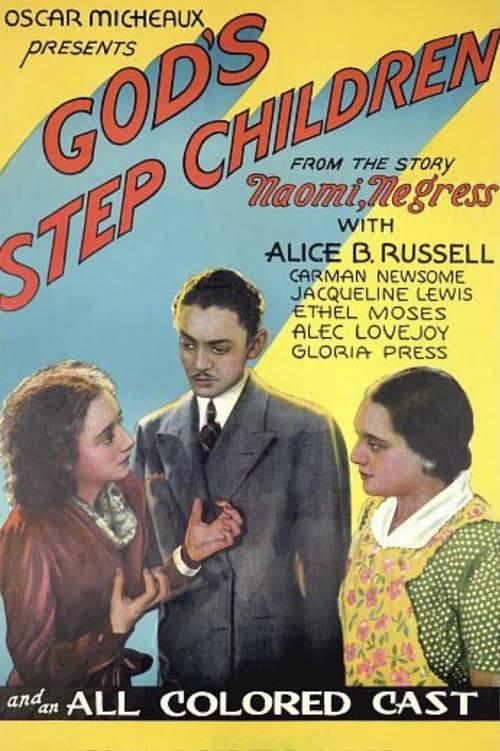
God's Step Children
1938
No user ratings available yet
Representation score: 4.7 out of 10
Representation Score
Fair
1920
TV-PGDirector
Oscar Micheaux
Runtime
59 minutes
Average Rating
No ratings yetNew Showbiz Analysis
Oscar Micheaux's work stands as a crucial act of cinematic resistance, deliberately challenging the white-centric norms of early Hollywood. By focusing on Black ability to act and socioeconomic complexity, the film offers a sophisticated counter-narrative to the era's mainstream depictions. The production excels in racial representation, featuring an all-Black cast to defy the homogeneity of 1920s standards. The inclusion of nuanced identities, such as Eve Mason's white-passing status, enriches the racial discourse significantly. Despite its strengths, the film lacks representation of LGBTQ+ identities and does not address disability-specific issues, though its overall progressive impact remains strong.
Category Breakdown
The film does not include any documented LGBTQ+ characters or non-straight narratives. The story centers on traditional romantic relationships and the importance of maintaining the family structure.
Eve Mason offers a strong female perspective, dealing with property ownership and complex social interactions. Women are portrayed who play a significant role in driving the story and emotional depth, rather than as submissive stereotypes.
The film features an all-Black cast that challenges the predominantly white standards of 1920s Hollywood. It explores nuanced racial issues through Eve Mason's white-passing identity and characters with professional ambitions.
The story critiques systemic injustices by framing the fight for land as a quest for justice. It highlights racial pride and community resilience in the face of oppressive social structures.
There is no specific information about the portrayal of physical or neurodivergent disabilities in the available records.
Present on Screen
Limited or Absent
Official Synopsis
Eve Mason, a white-passing black woman, moves to a remote cottage she inherited from her late father. She makes the acquaintance of her neighbor, a dashing black settler named Hugh Van Allen, and quickly falls for him. Trouble brews as the local cadre of racist hucksters want the valuable land Van Allen lives on, and will do anything to take it from him.
1938

1920
1929
1920

1930
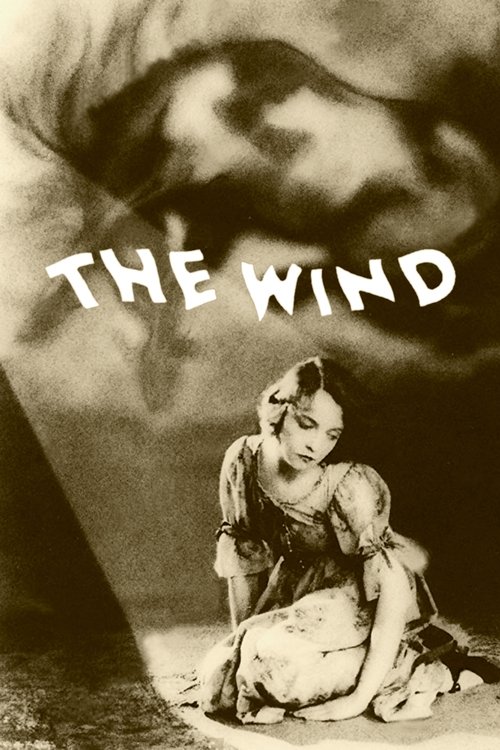
1928

1949

1930
No reviews yet. Be the first to share your thoughts on this movie!
Use the rating form above to leave a star rating and optional review.