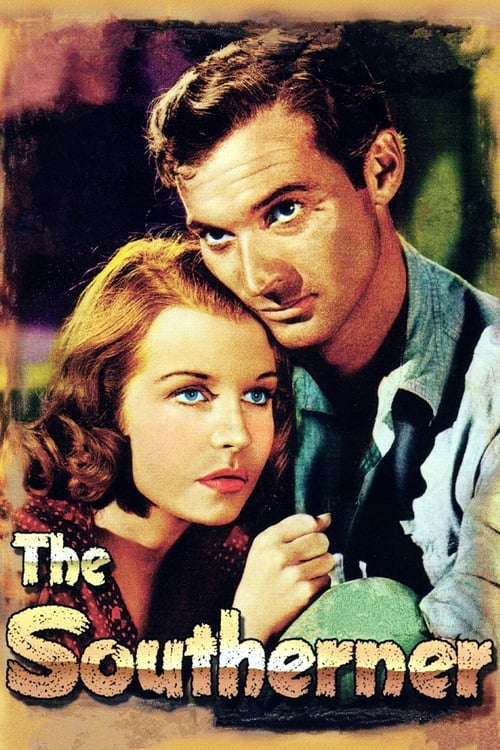
The Southerner
1945
No user ratings available yet
Representation score: 1.4 out of 10
Representation Score
Limited
1932
ApprovedDirector
Michael Curtiz
Runtime
78 minutes
Average Rating
No ratings yetNew Showbiz Analysis
The film functions as a social realist drama that emphasizes the critique of systemic economic oppression in the Deep South. It focuses heavily on class struggle and the corruption inherent in the agrarian social order. While the film lacks modern characters who reflect more than one aspect of diversity, such as LGBTQ+ or disability-focused storylines, it remains socially conscious. It uses the tension between management and workers to examine institutionalized greed and the fight for social justice. Ultimately, the film's strength lies in its structural engagement with socioeconomic tensions rather than diverse character's ability to drive the story.
Category Breakdown
The film does not include any LGBTQ+ characters or stories. Romantic tension revolves around a traditional relationship between the main character and two female figures.
Female characters like Madge Norwood play a significant role by influencing the plot and navigating power dynamics between planters and laborers, challenging some traditional hierarchies.
The film addresses the sharecropping system and racialized labor hierarchies. However, there is no clear evidence of non-white characters driving the main storyline.
The story critiques the Southern social hierarchy and the exploitative landlord-tenant relationship. It centers on the struggle against poverty and the pursuit of social mobility through education.
There is no indication of characters with visible or invisible disabilities in this narrative.
Present on Screen
Limited or Absent
Official Synopsis
Sharecropper's son Marvin tries to help his community overcome poverty and ignorance.
1945
1945

1976
1939
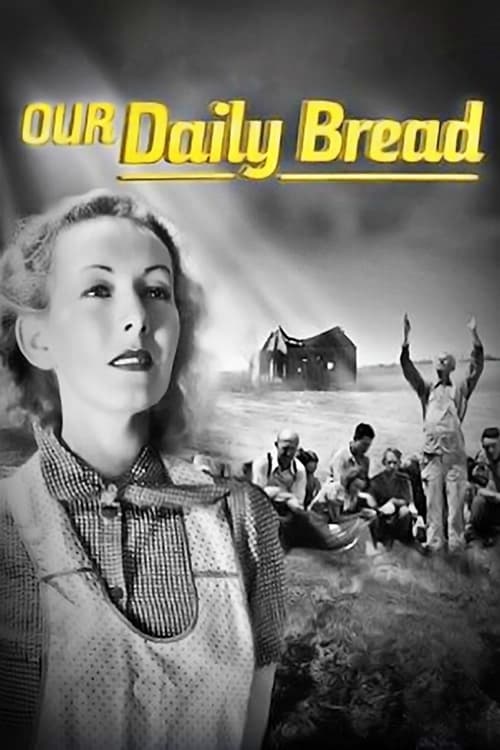
1934

1920

1935

1930
No reviews yet. Be the first to share your thoughts on this movie!
Use the rating form above to leave a star rating and optional review.