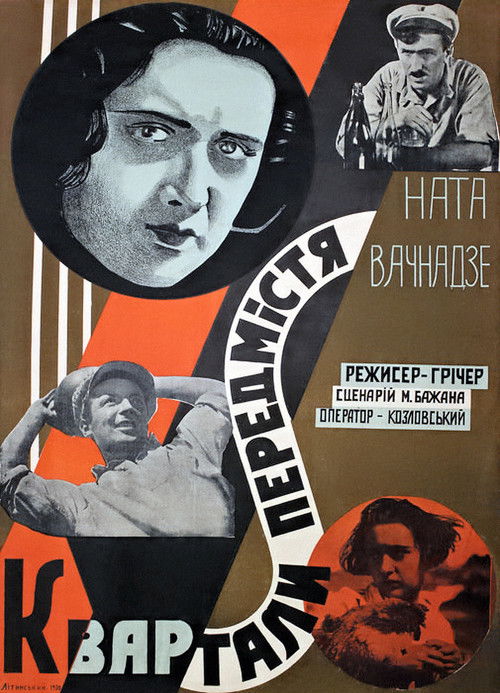
Suburban Districts
1930
No user ratings available yet
Representation score: 4.7 out of 10
Representation Score
Limited
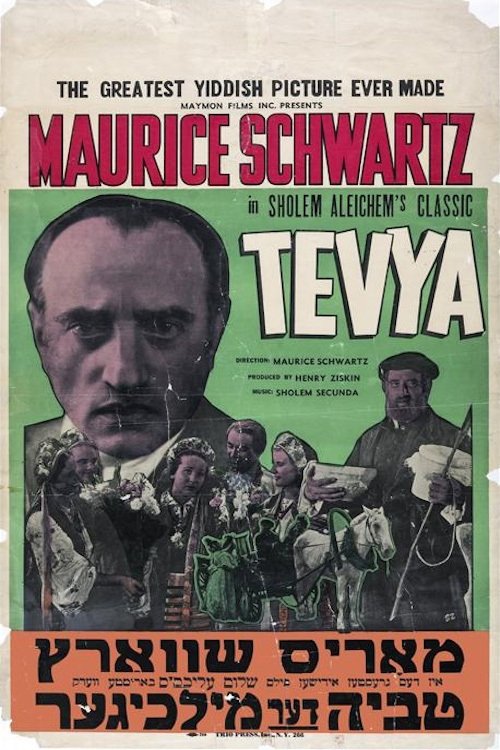
1939
ApprovedDirector
Maurice Schwartz
Runtime
93 minutes
Average Rating
No ratings yetNew Showbiz Analysis
Maurice Schwartz brings a strong cultural authenticity to this production, focusing on Jewish narratives that were often overlooked in 1930s cinema. The film’s standout feature is its detailed depiction of a underrepresented Jewish community facing state persecution. However, the film adheres to the social norms of its time, reinforcing traditional patriarchal structures and lacking any representation of LGBTQ+ identities or disabilities. Overall, the film is a significant cultural achievement that prioritizes a non-Western perspective while maintaining the social hierarchies of its era.
Category Breakdown
The film centers on traditional family structures and heterosexual relationships. It does not include any characters with non-binary gender identities or same-sex relationships.
The story follows a patriarchal structure where the father, Tevye, holds the main authority. His daughters make choices that affect their lives, but they still operate within the existing gender roles and religious traditions.
The film highlights a specific Jewish community, providing a detailed and nuanced portrayal of a underrepresented group facing state pressure.
The story critiques imperial power by showing the oppression of the Jewish community under Tsarist rule. It explores the tension between religious traditions and the encroachment of modernity.
There are no significant portrayals of visible or invisible disabilities that play a key role in the narrative or define any central characters.
Present on Screen
Limited or Absent
Official Synopsis
Tevye is a dairyman in the Russian Ukraine early in the 20th century. He lives in a cabin outside Boyberik with his wife Goldie, his widowed daughter Tseytl, her two children, and his younger daughter, the unmarried Khave. Khave is being courted by Fedya, a Christian, the son of a local government official. Tevye warns Khave against romance and marriage outside her faith, but Fedya is persuasive too. What will Khave decide, how will Tevye react, and when the Tsar initiates a pogrom, will Tevye's friends come to his defense? Can the stubborn Tevye reconcile his heart and tradition?
1930

2017
1935
1955

1929

1971

2017
1956
No reviews yet. Be the first to share your thoughts on this movie!
Use the rating form above to leave a star rating and optional review.