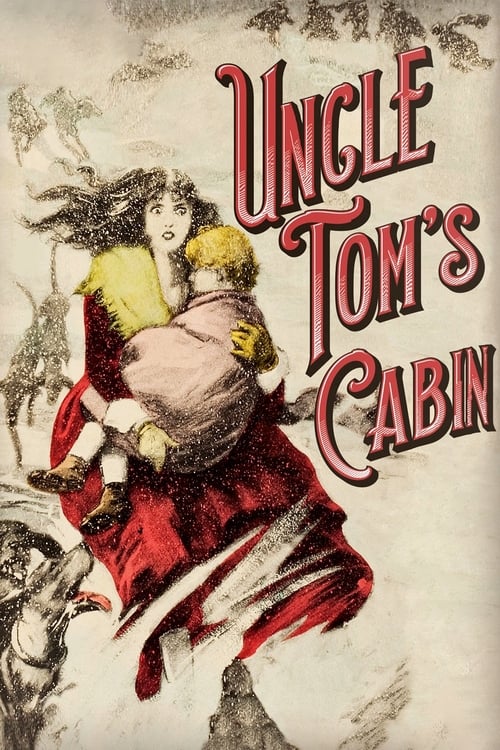
Uncle Tom's Cabin
1927
No user ratings available yet
Diversity score: 5.7 out of 10
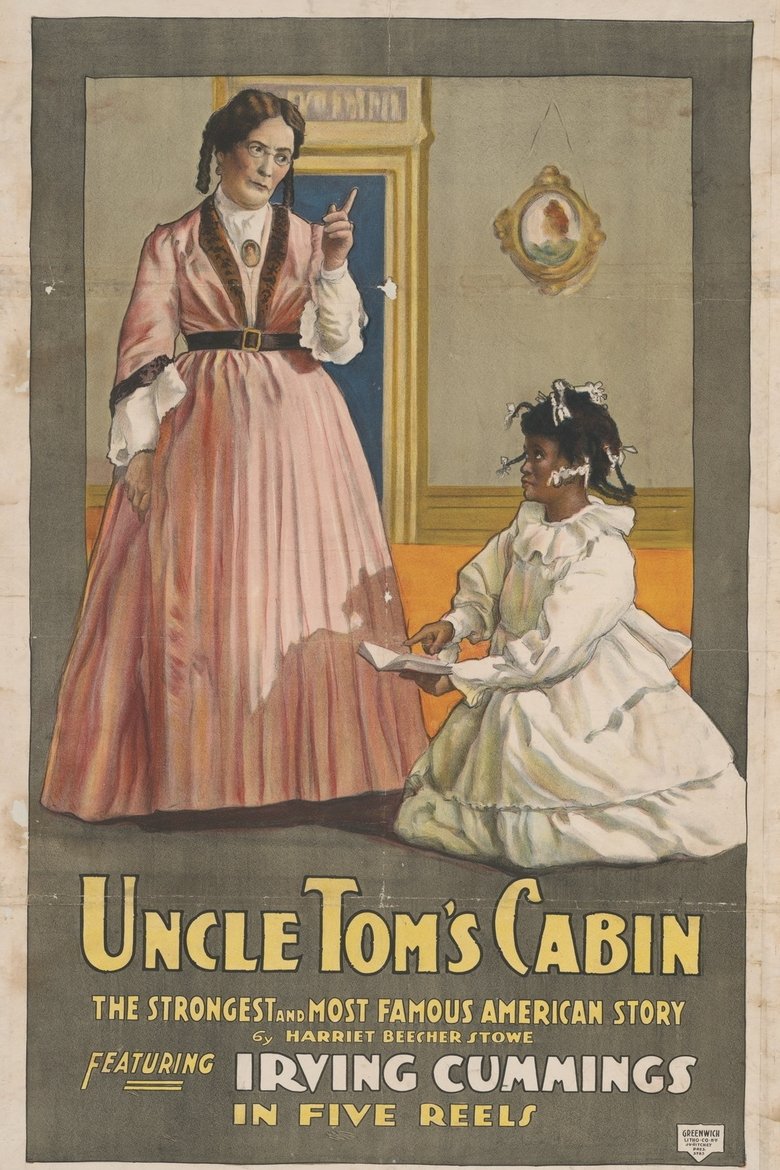
1914
Director
William Robert Daly
Runtime
54 minutes
Average Rating
No ratings yetSynopsis
The first screen adaptation of Harriet Beecher Stowe's novel to star a black man in the title role.
Overall Score
Fair
Category Breakdown
LGBTQ+ Representation
The film contains no discernible LGBTQ+ characters or non-heteronormative identities. The narrative remains strictly within traditional 19th-century familial and social structures.
Gender Representation
Eliza provides a disruption to traditional hierarchies through her significant agency and physical strength. Her role in orchestrating an escape to protect her child challenges passive depictions of femininity.
Racial & Ethnic Diversity
The production features Black actors in the central, titular roles, which was notable for the era. It centers the humanity and moral fortitude of enslaved characters rather than marginalizing them.
Religious & Cultural Diversity
The film critiques the hypocrisy of a society that claims Christian values while practicing systemic dehumanization. It uses the protagonist's faith to indict the corrupt intersection of capitalism and slavery.
Disability Representation
There are no prominent depictions of physical or neurodivergent disabilities used as central narrative drivers in this adaptation.
Strengths
Areas for Improvement
AI Analysis
This 1914 adaptation stands as a significant historical artifact that uses the martyrdom of its protagonist to critique the commodification of human life. It moves beyond simple period drama by centering the Black experience as the primary lens for social commentary. The film's strength lies in its casting and its systemic critique of American socio-economic structures. By focusing on the forced separation of families, it provides a direct indictment of the legal and social frameworks of the antebellum South. However, the film remains constrained by the social norms of its time. It adheres to traditional religious and gendered frameworks, and lacks any representation of LGBTQ+ identities or disability-driven narratives.
1927
1976
1965

1949
1932
1993

1951
1920
1949

2019
1986
1995
No reviews yet. Be the first to share your thoughts on this movie!
Use the rating form above to leave a star rating and optional review.