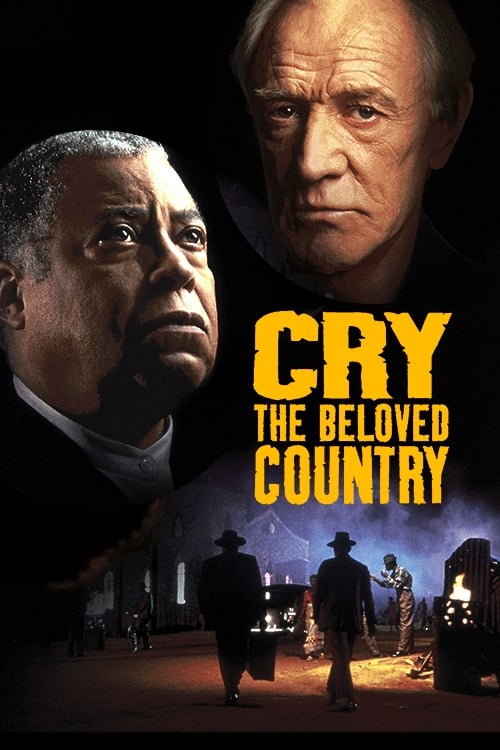
Cry, the Beloved Country
1995
No user ratings available yet
Diversity score: 6.3 out of 10
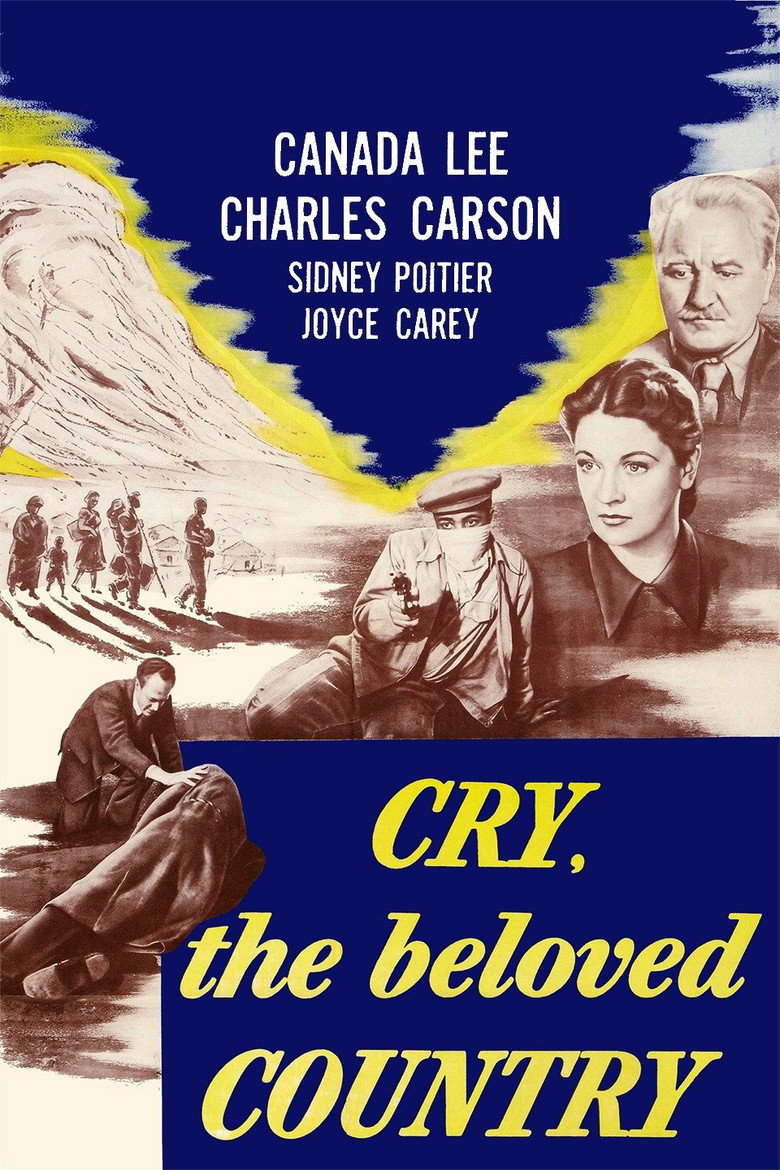
1951
NRDirector
Zoltan Korda
Runtime
103 minutes
Average Rating
No ratings yetSynopsis
In the back country of South Africa, black minister Stephen Kumalo journeys to the city to search for his missing son, only to find his people living in squalor and his son a criminal. Reverend Misimangu is a young South African clergyman who helps find his missing son-turned-thief and sister-turned-prostitute in the slums of Johannesburg.
Overall Score
Good
Category Breakdown
LGBTQ+ Representation
The film lacks LGBTQ+ characters or non-heteronormative identities. The narrative focuses strictly on the patriarchal and communal structures of the 1950s.
Gender Representation
Women are depicted within domestic or supportive roles, often serving the male-driven plot. The sister's character highlights urban displacement, though her agency remains limited by her circumstances.
Racial & Ethnic Diversity
The film centers a Black protagonist and utilizes an all-Black cast for African characters. It actively critiques systemic inequality and the segregationist framework of South Africa.
Religious & Cultural Diversity
The story critiques Western-imposed social structures and the breakdown of tribal units due to urbanization. The Black church is portrayed as a source of resilience against oppression.
Disability Representation
No significant portrayals of visible or invisible disabilities appear within the primary character arcs.
Strengths
Areas for Improvement
AI Analysis
Cry, the Beloved Country stands as a significant historical document that disrupts mid-century cinematic norms. By centering Black protagonists and critiquing systemic segregation, it challenges the era's typical white-centric storytelling. However, the film is constrained by the social hierarchies of its time. The narrative remains heavily patriarchal, with women relegated to supportive roles and a complete absence of LGBTQ+ representation. Ultimately, the film's power lies in its sociopolitical critique. It uses personal struggles to illuminate the systemic failures of the South African social order and the impact of rapid urbanization.
1995
1997
1988
1991
1986
1974

1970
1957
1961
1986

2015

2007
No reviews yet. Be the first to share your thoughts on this movie!
Use the rating form above to leave a star rating and optional review.