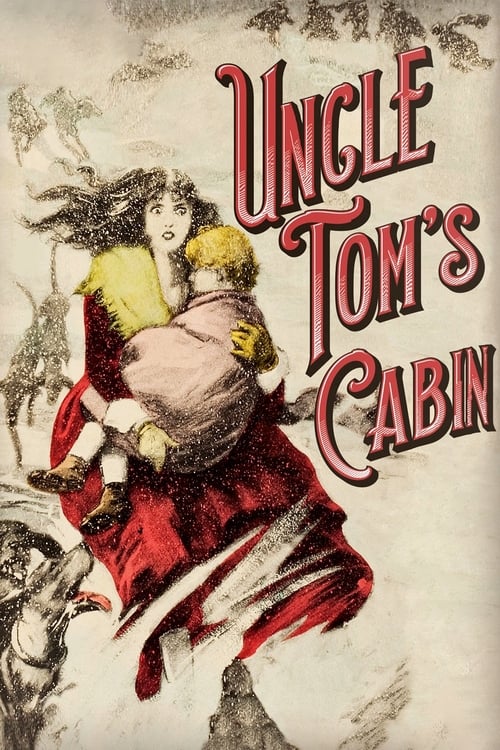
Uncle Tom's Cabin
1927
No user ratings available yet
Diversity score: 5.7 out of 10
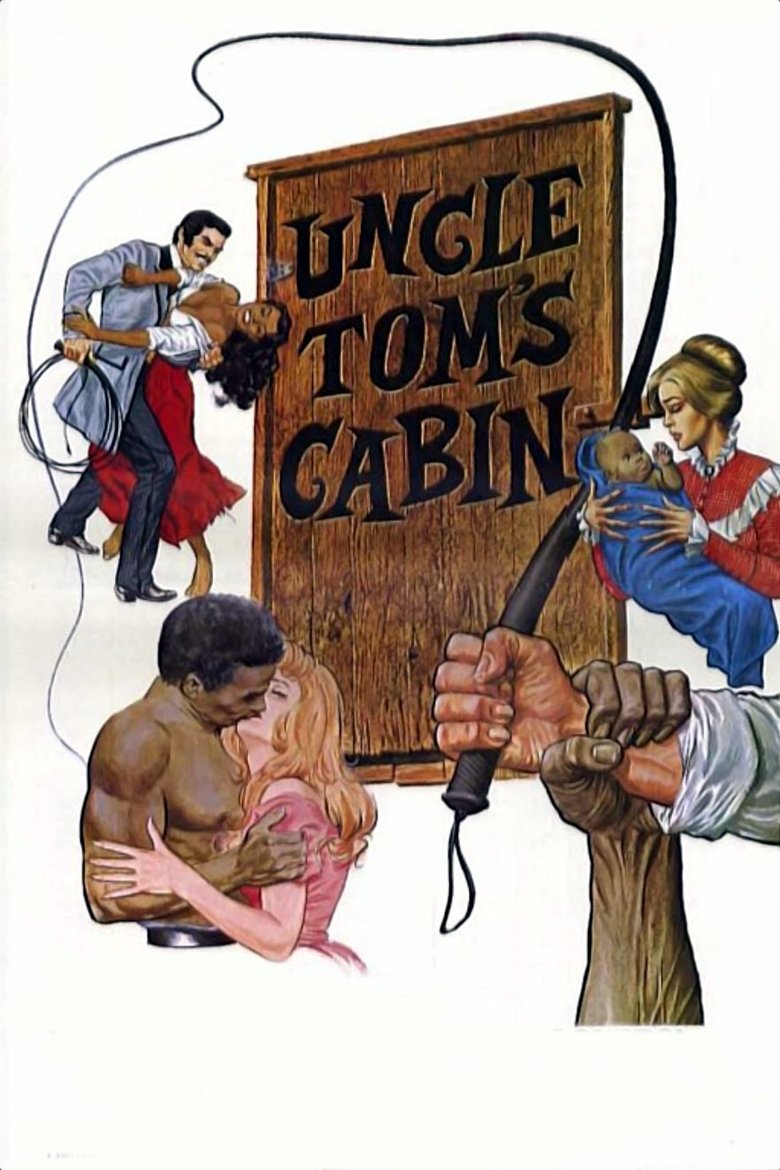
1976
RDirector
Al Adamson
Runtime
90 minutes
Average Rating
No ratings yetSynopsis
A sadistic plantation owner pushes his slaves to the point of rebellion.
Overall Score
Fair
Category Breakdown
LGBTQ+ Representation
The film contains no evidence of LGBTQ+ characters or non-cisnormative identities. The narrative focuses exclusively on the historical dynamics of the plantation system.
Gender Representation
The story centers on a patriarchal hierarchy led by a plantation owner. There is no indication of women subverting traditional gender roles or demonstrating significant agency.
Racial & Ethnic Diversity
The central premise is built upon the lived experiences of Black individuals within a racialized caste system. While the focus is on characters of color, the depth of their individual agency remains unverified.
Religious & Cultural Diversity
The film depicts the institution of slavery as inherently corrupt and oppressive. By framing the owner as sadistic, it disrupts traditional portrayals of power structures as benevolent.
Disability Representation
There is no evidence to suggest the inclusion of characters with visible or invisible disabilities in this production.
Strengths
Areas for Improvement
AI Analysis
This 1976 adaptation of *Uncle Tom's Cabin* centers its narrative on the systemic oppression of enslaved people. The film's primary strength lies in its thematic focus on racial hierarchy and the necessity of rebellion against a sadistic authority. However, the production lacks intersectional depth. The narrative architecture is heavily dominated by a patriarchal structure, and there is no evidence of LGBTQ+ representation or disability inclusion. Ultimately, while the film addresses critical historical themes of racial injustice and systemic corruption, it lacks the nuanced character agency required for a higher diversity rating.
1927
1914
1965
1990
1969
1995
1951
1971

1967

1992
1976
2017
No reviews yet. Be the first to share your thoughts on this movie!
Use the rating form above to leave a star rating and optional review.