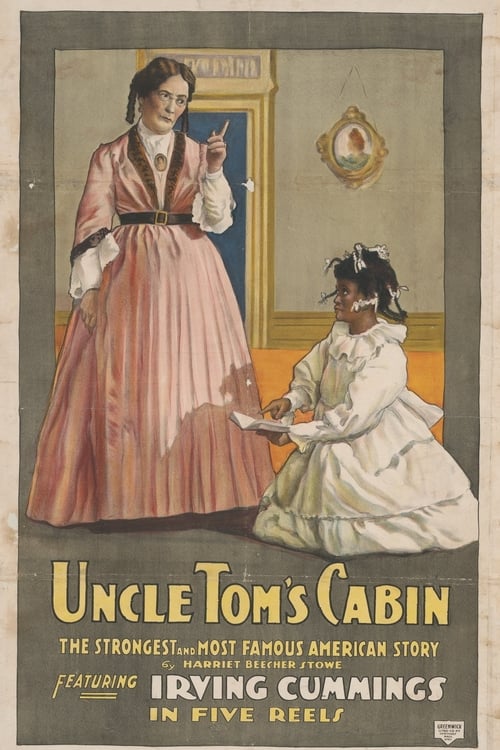
Uncle Tom's Cabin
1914
No user ratings available yet
Diversity score: 5.7 out of 10

1965
RDirector
Géza von Radványi
Runtime
118 minutes
Average Rating
No ratings yetSynopsis
In the pre-Civil War South, a sadistic plantation owner brutalizes his slaves to the point of rebellion. Always obedient, peaceful and honest old slave Tom plays a central role in this tragedy.
Overall Score
Good
Category Breakdown
LGBTQ+ Representation
The film operates within a traditional heteronormative framework. There is no evidence of queer subtext or non-cisnormative identities within the 19th-century social structures.
Gender Representation
Eliza provides meaningful agency through her maternal struggle to preserve her family. However, the film remains largely tethered to traditional gender roles and maternal archetypes.
Racial & Ethnic Diversity
The narrative centers a predominantly Black cast in pivotal, high-agency roles. This approach disrupts the white savior lens by focusing on the depth and moral complexity of the enslaved.
Religious & Cultural Diversity
The film critiques the intersection of capitalism and legal frameworks that sanctioned slavery. It uses Christian themes to highlight the hypocrisy of using religion to justify systemic violence.
Disability Representation
Disability is not a central narrative driver. Physical trauma serves primarily as a marker of systemic cruelty rather than an exploration of neurodivergence or individual agency.
Strengths
Areas for Improvement
AI Analysis
The film succeeds by centering the lived experiences and moral weight of the enslaved population. By prioritizing Black characters in high-agency roles, it subverts the typical white savior tropes found in period dramas. However, the production is limited by its historical setting, lacking any LGBTQ+ or neurodivergent representation. The gender dynamics, while providing strong female agency through Eliza, still rely heavily on traditional maternal roles. Ultimately, the film serves as a potent critique of the corrupt marriage between capitalism and racial hierarchy in the antebellum South.
1914
1927
1976
1989

1967

2017
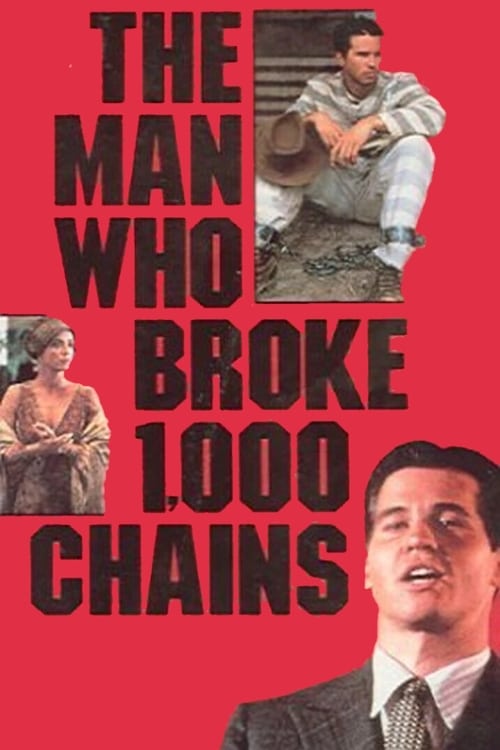
1987
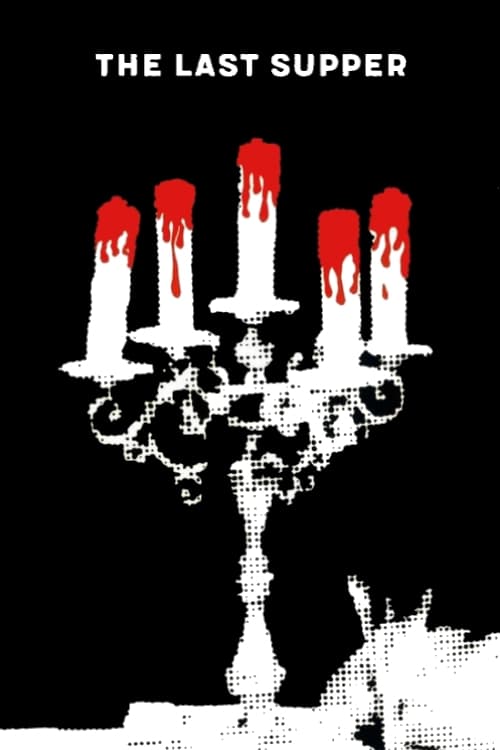
1976

1976
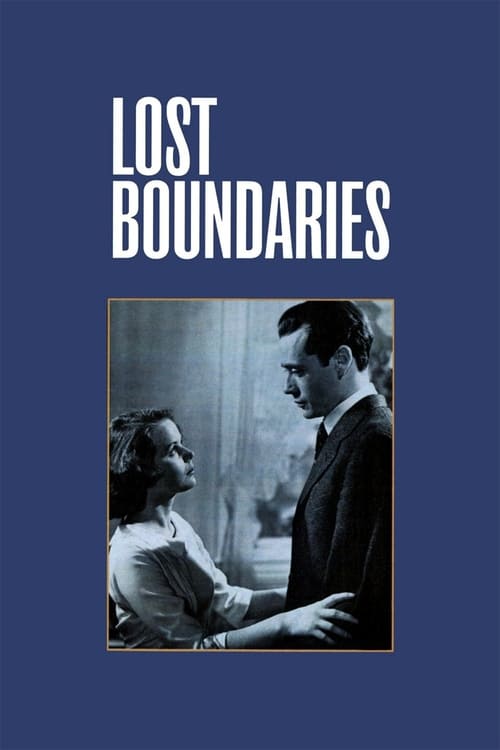
1949
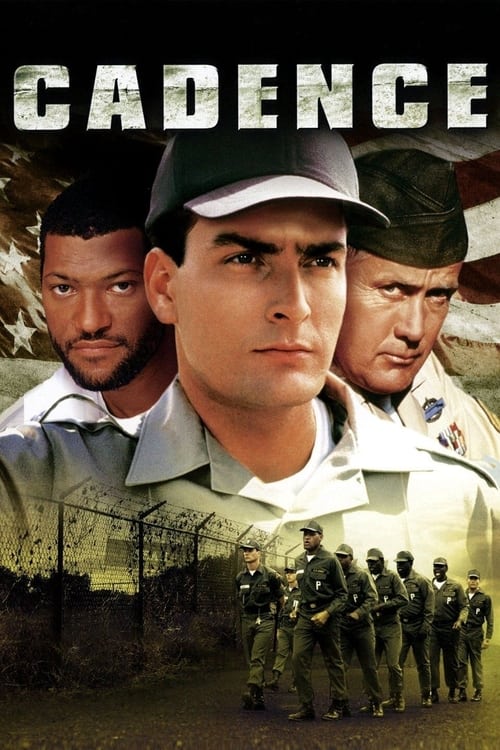
1990
1951
No reviews yet. Be the first to share your thoughts on this movie!
Use the rating form above to leave a star rating and optional review.