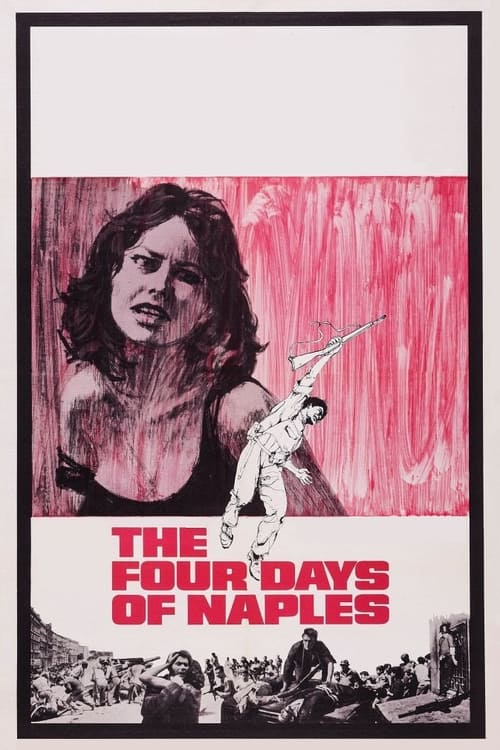
The Four Days of Naples
1962
No user ratings available yet
Diversity score: 4.2 out of 10

1940
Director
André Malraux
Runtime
71 minutes
Average Rating
No ratings yetSynopsis
Spanish Civil War, 1937. A platoon of Republican soldiers plans to stop the advance of the rebel troops by bombing a bridge on the road to Zaragoza, near the city of Linás. With the close collaboration of the peasants of the area, the soldiers try to overcome the continuous bombardments and endure the harsh and tireless opposition of the powerful enemy…
Overall Score
Fair
Category Breakdown
LGBTQ+ Representation
The film focuses on the collective struggle of the International Brigades. There is no evidence of non-cisnormative identities or same-sex intimacy within the narrative.
Gender Representation
Women are portrayed as active participants in political and military struggles. This subverts traditional hierarchies by placing them within the sphere of revolutionary combat.
Racial & Ethnic Diversity
The narrative utilizes a multi-national cast of international volunteers. This avoids homogeneity by presenting a transnational identity that transcends singular ethnic boundaries.
Religious & Cultural Diversity
The film critiques traditional Western institutions and religious hierarchies. It frames the breakdown of the old social order as a necessary step toward liberation.
Disability Representation
War injuries serve as markers of conflict rather than character-driven explorations. There is little evidence of characters with disabilities being granted significant agency.
Strengths
Areas for Improvement
AI Analysis
André Malraux’s work serves as a powerful piece of political cinema that challenges the power structures of the 1940s. By centering the International Brigades, the film moves away from narrow nationalism toward a more global, collective identity. The film excels in its subversion of social hierarchies, particularly regarding gender and institutional critique. It replaces domestic tropes with political agency for women and challenges the dominance of religious and capitalist structures. However, the narrative remains limited by the era's social constraints. It lacks representation for LGBTQ+ identities and fails to provide meaningful agency to characters with disabilities, focusing instead on the broader ideological struggle.
1962

1971
1983
1958
1985
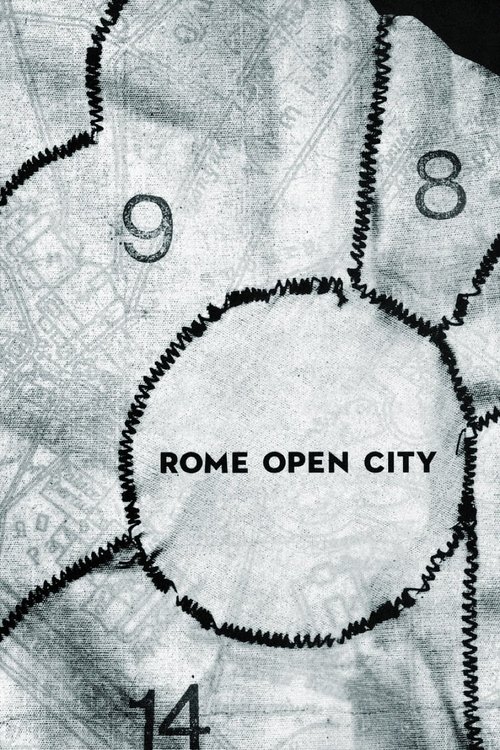
1945
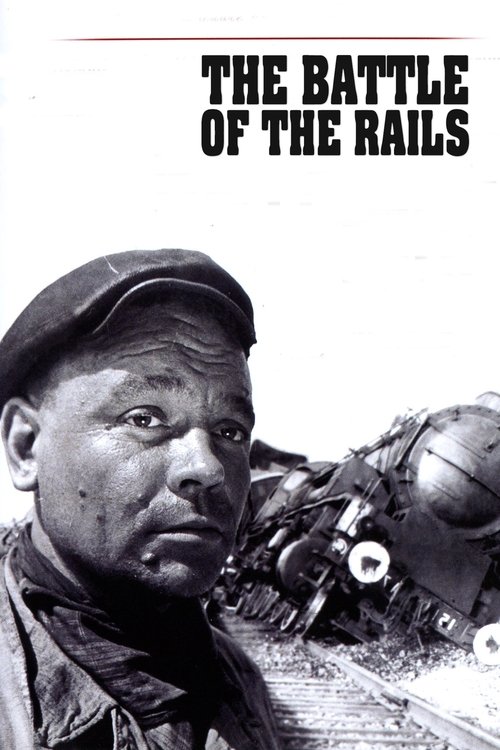
1946
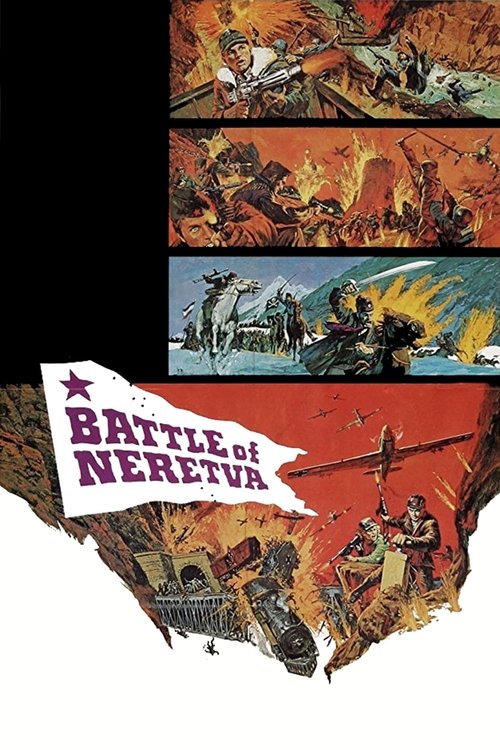
1969
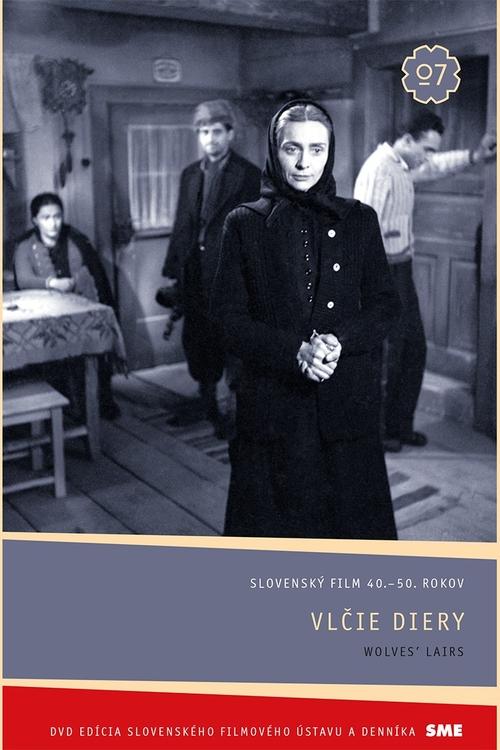
1948
1943
1955
1948
No reviews yet. Be the first to share your thoughts on this movie!
Use the rating form above to leave a star rating and optional review.