SS Strike at Dawn
1958
No user ratings available yet
Representation score: 8.1 out of 10
Representation Score
Good
1969
GDirector
Veljko Bulajić
Runtime
175 minutes
Average Rating
No ratings yetNew Showbiz Analysis
The film is a sophisticated epic that uses a large-scale war narrative to deconstruct ethnic and class hierarchies. Its strength lies in its promotion of multi-ethnic solidarity and a secular, collective identity that challenges traditional nationalist frameworks. While progressive for its era, it remains constrained by the social norms of 1969. Gender dynamics are somewhat lopsided, and the lack of LGBTQ+ representation reflects the cinematic conventions of the time. Ultimately, the work succeeds as a piece of revolutionary storytelling, prioritizing systemic liberation and the survival of a diverse, unified front over individualist or religious morality.
Category Breakdown
There are no LGBTQ+ characters or narratives addressing non-assuming gender matches what was assigned at birth identities in the film. The story focuses entirely on the collective military struggle and Partisan survival.
Women are shown as fighters and medics, rather than domestic figures. However, the central command structure remains predominantly male.
The film features characters from various Yugoslav ethnic groups, promoting a unified, non-hierarchical identity among them.
The story emphasizes secular, socialist ideals over religious institutions. It portrays the struggle as a class-based movement against oppressive fascist structures.
Disabled and wounded soldiers play a central role in the plot's tension. Their protection and evacuation are crucial to the movement's success.
Present on Screen
Limited or Absent
Official Synopsis
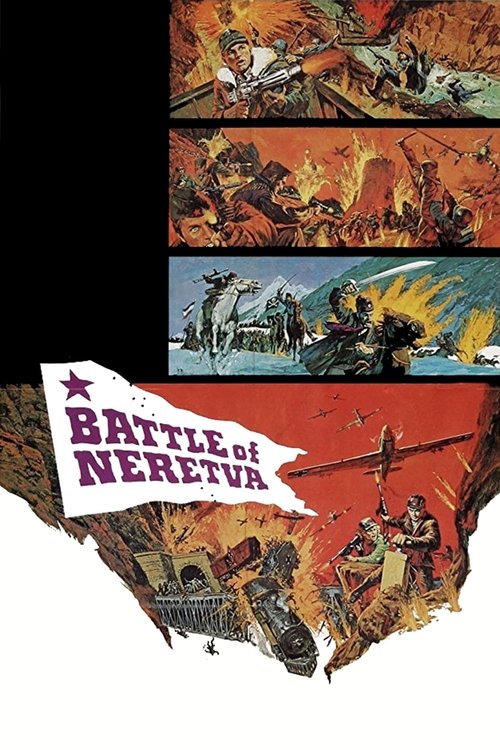
In January 1943 the German army, afraid of an Allied invasion of the Balkans, launched a great offensive against Yugoslav Partisans in Western Bosnia. The only way out for Partisan forces and thousands of refugees was the bridge on the river Neretva.
1958
1946
1983
1996
1975
1964
1963

1971
No reviews yet. Be the first to share your thoughts on this movie!
Use the rating form above to leave a star rating and optional review.