
Wolf's Night
1955
No user ratings available yet
Representation score: 4.6 out of 10
Representation Score
Fair
1948
Director
Paľo Bielik
Runtime
104 minutes
Average Rating
No ratings yetNew Showbiz Analysis
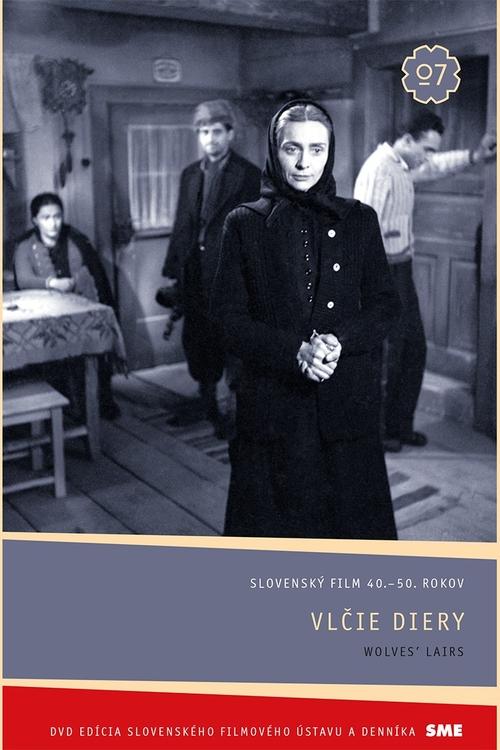
Wolves' Lairs is a period drama that stands out by centering the story on a resilient widow during the Slovak National Uprising. This approach elevates a female protagonist to a position of structural importance. However, the film reflects the limitations of its time, featuring an ethnically homogeneous cast and lacking LGBTQ+ representation. Ultimately, the film shines as a critique of external oppression, emphasizing collective resistance over individual struggles.
Category Breakdown
The film does not include any explicitly LGBTQ+ characters or representations of non-straight relationships. The story focuses on a widow and her sons, emphasizing a traditional family dynamic.
The film challenges traditional gender roles by focusing on a resilient widow who leads her community. While her sons fight in combat, she carries the emotional weight and leadership.
The cast is ethnically uniform, reflecting the historical context of the Slovak National Uprising. The film contrasts occupiers and the occupied to explore local identity and sovereignty.
The movie strongly critiques imperialist and authoritarian power structures. It highlights collective resistance against an oppressive military force, presenting the village as a site of systemic change.
There is no indication of physical or cognitive disabilities being portrayed in the film.
Present on Screen
Limited or Absent
Official Synopsis
This drama from the times of Slovak National Uprising is situated in a small Slovak village. It is the tragical story of a widow and her four sons who fight alongside the partisans against the German occupants.
1955
1977
1962
1996

1959

1980
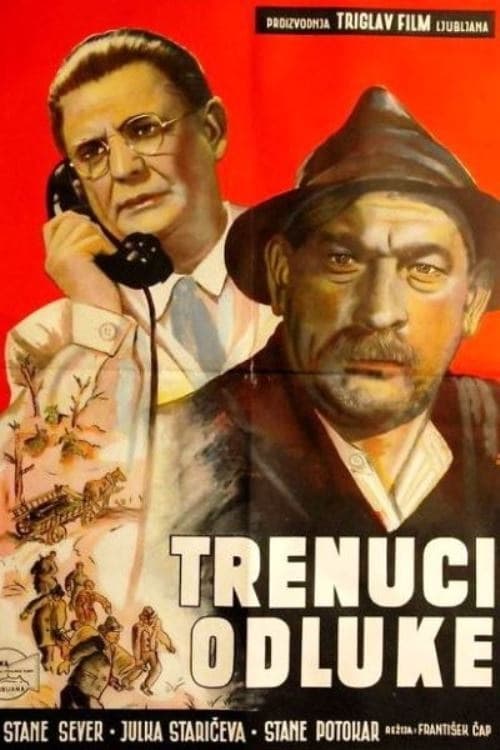
1955

1956
No reviews yet. Be the first to share your thoughts on this movie!
Use the rating form above to leave a star rating and optional review.