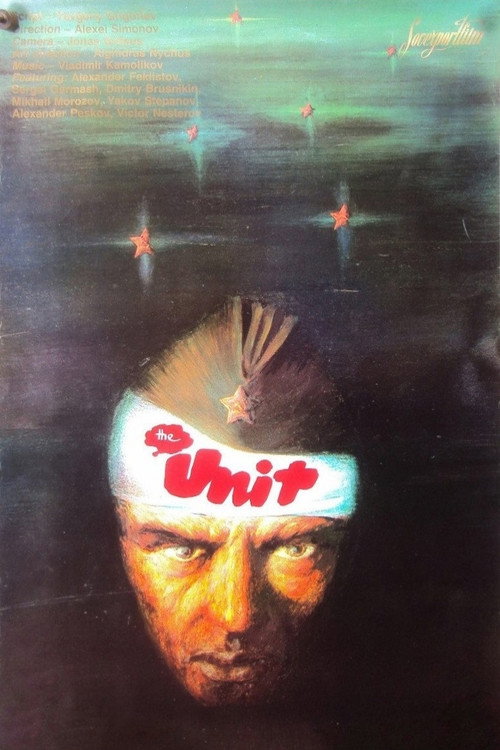
The Unit
1984
No user ratings available yet
Representation score: 4.7 out of 10
Representation Score
Fair
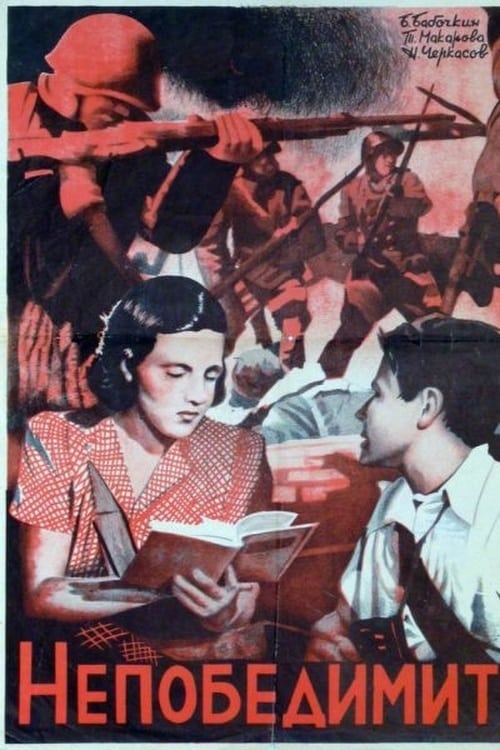
1943
Director
Sergei Gerasimov, Mikhail Kalatozov
Runtime
88 minutes
Average Rating
No ratings yetNew Showbiz Analysis
The Invincible serves as a tool for state morale, highlighting industrial mobilization and collective heroism. It successfully portrays a multi-ethnic Soviet identity, moving away from a singular ethnic focus to show a unified populace. However, the film is constrained by the social norms of 1943. It lacks representation of LGBTQ+ identities and disability, focusing instead on traditional gender roles and collectivist values. While women are shown exercising ability to act in industrial and medical roles, the film maintains traditional gender hierarchies, with male-dominated combat leadership.
Category Breakdown
The film follows the strict social norms of the 1940s Soviet Union, where there is no depiction of LGBTQ+ identities or same-sex intimacy. Instead, it focuses on heterosexual relationships within military and domestic structures.
Women play key roles through industrial labor, medical support, and partisan activities, showing their ability to act. However, the film maintains traditional gender hierarchies with male-dominated combat leadership.
The cast reflects the diverse ethnic composition of the Soviet Union, presenting a unified front of various nationalities united against a common enemy.
The narrative emphasizes collectivist ideologies over individualism, framing the struggle as a defense of the Soviet socio-economic model. It portrays Western-aligned ideologies critically.
The film does not focus on neurodivergence or physical disability as central traits. Physical impairments are shown as casualties of conflict rather than sources of ability to act.
Present on Screen
Limited or Absent
Official Synopsis
The autumn of 1941. Leningrad is besieged by the Nazis. A new model of tank is being developed at a large defense plant. Built in the shortest possible time combat vehicles are tested directly on battlefields, fighting with fascists in the outskirts of the city. The first feature film about the heroic everyday life of city defenders was shot directly in assembly shops of plants and in the streets of Leningrad when the city was fighting against the enemy
1984
1977
1985
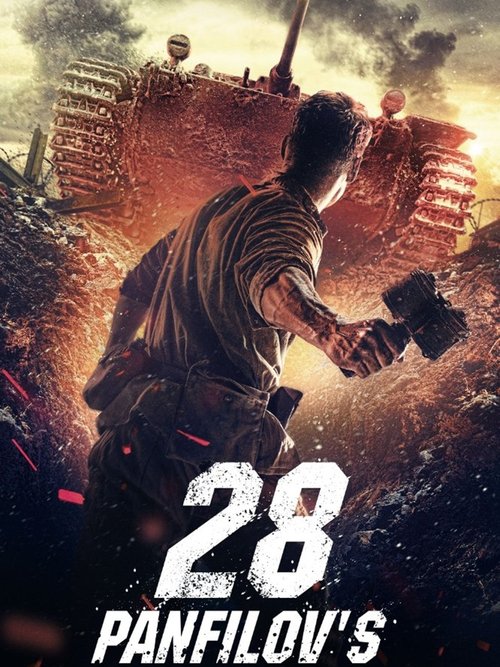
2016
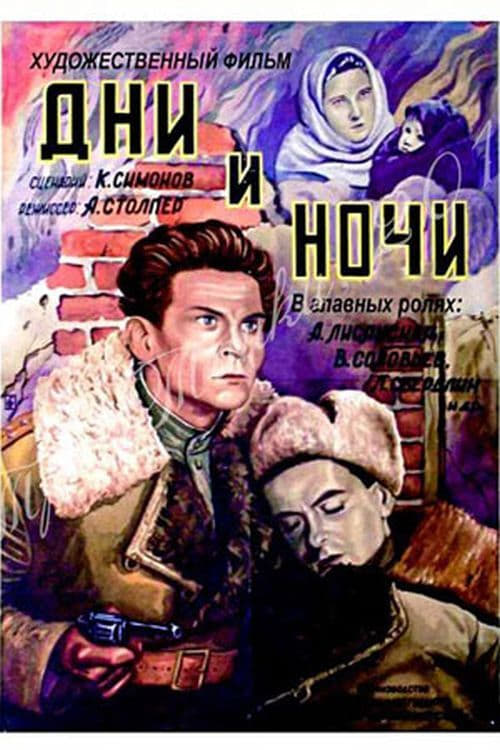
1945
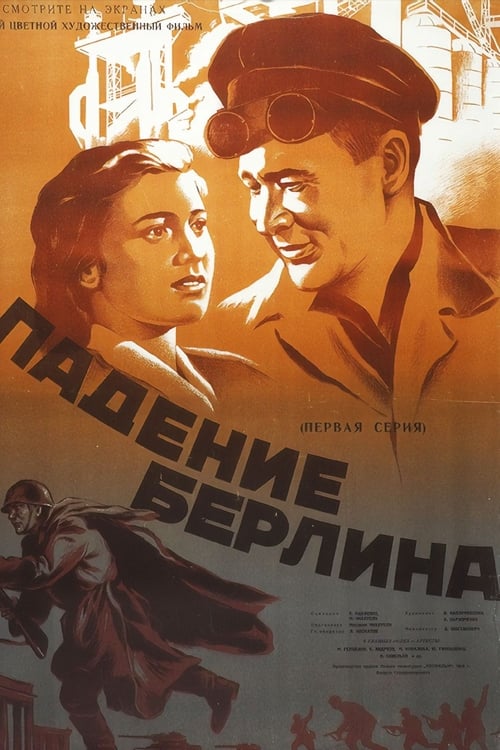
1950
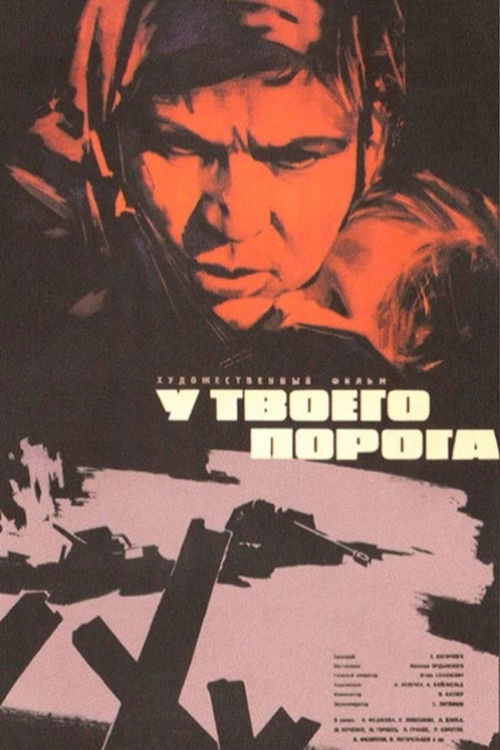
1963
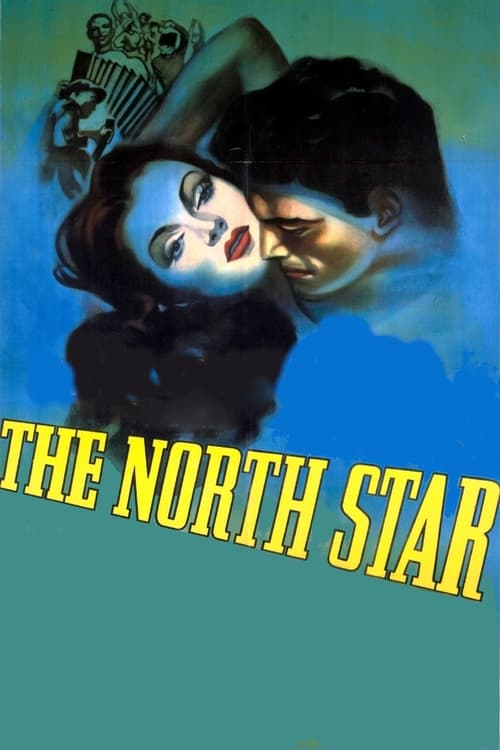
1943
No reviews yet. Be the first to share your thoughts on this movie!
Use the rating form above to leave a star rating and optional review.