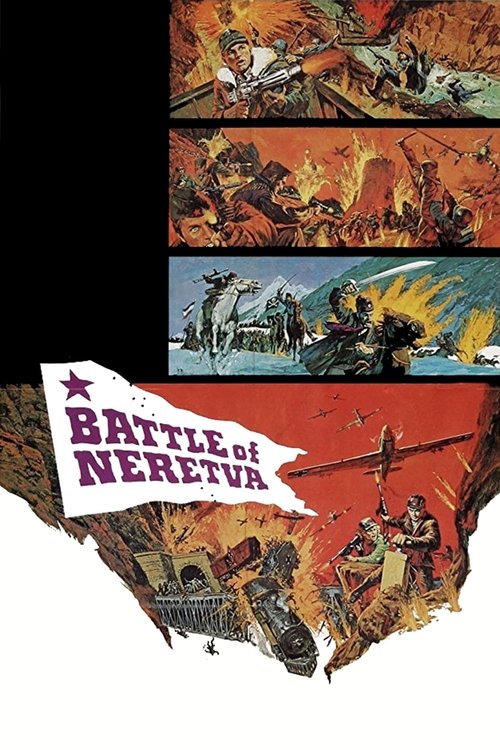
The Battle of Neretva
1969
No user ratings available yet
Representation score: 6.6 out of 10
Representation Score
Good
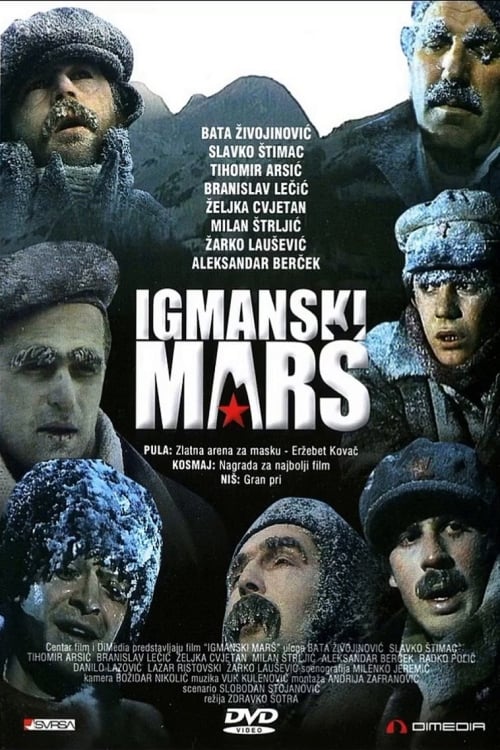
1983
Director
Zdravko Šotra
Runtime
97 minutes
Average Rating
No ratings yetNew Showbiz Analysis
The Igman March effectively showcases a unified identity among a diverse group of Serbs, Croats, and Bosniaks, breaking down ethnic barriers. Despite its progressive stance on ethnicity and anti-fascism, the film falls short in exploring gender fluidity and providing meaningful roles for those with disabilities. Its strength lies in modeling a cohesive, multi-ethnic collective as the primary force for historical change.
Category Breakdown
The film focuses on the collective struggle of the partisan unit and does not include any non-cisgender identities or same-sex relationships.
Women play active roles in combat and decision-making, challenging traditional stereotypes. However, their portrayal is still linked to the needs of the revolutionary struggle.
The cast includes a mix of Serbs, Croats, and Bosniaks, promoting a unified identity rather than ethnic divisions.
The film highlights secular, socialist ideals over religious ones, framing the struggle as a movement towards a classless society free from fascism.
Characters with disabilities are primarily shown as casualties, lacking significant roles in the narrative.
Present on Screen
Limited or Absent
Official Synopsis
The story of a forced march of the first proletarian shock brigade during World War II.
1969

1977
1996
1958
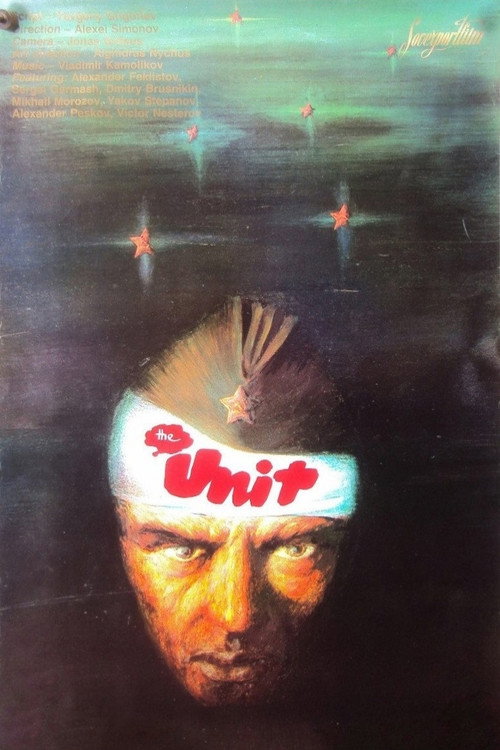
1984
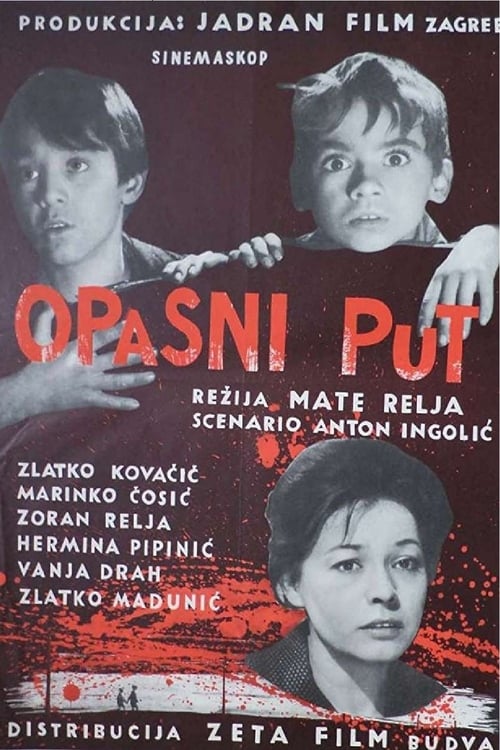
1963
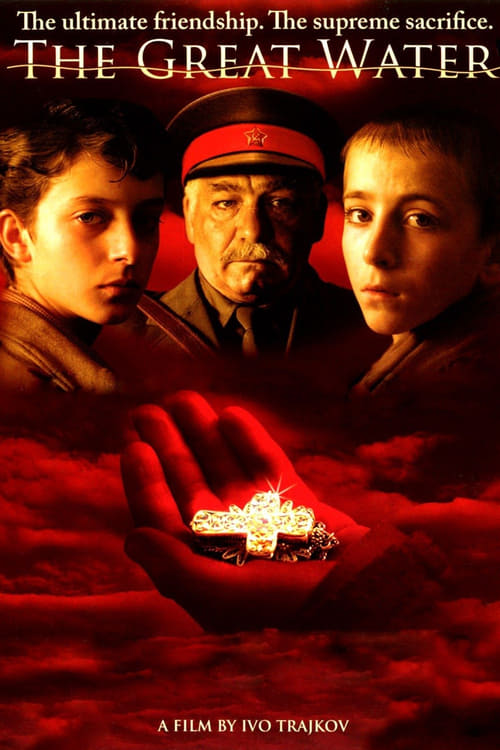
2004
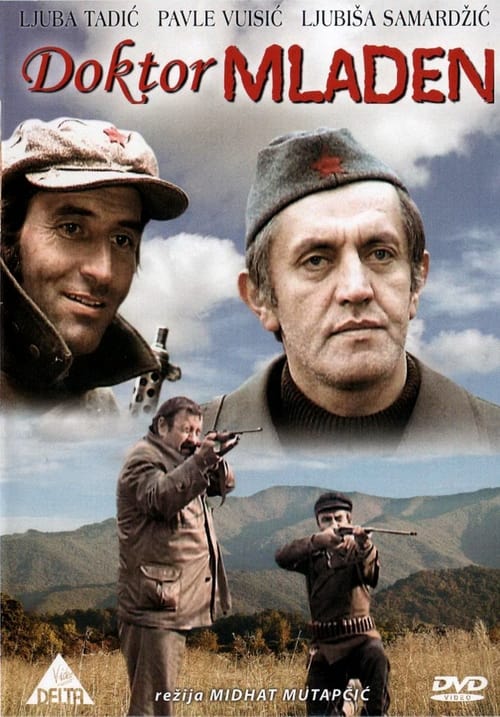
1975
No reviews yet. Be the first to share your thoughts on this movie!
Use the rating form above to leave a star rating and optional review.