
Green Harvest
1959
No user ratings available yet
Representation score: 4.9 out of 10
Representation Score
Limited
1948
Director
Sergei Gerasimov
Runtime
189 minutes
Average Rating
No ratings yetNew Showbiz Analysis
The film excels at challenging traditional gender hierarchies by placing women in central, active roles within the resistance. This elevates female characters from domestic figures to essential drivers of the plot. However, the work is limited by its narrow demographic focus and lack of representation for LGBTQ+ identities or disabilities. The casting remains ethnically homogeneous, adhering strictly to the regional Slavic context of the era. Culturally, the film is a powerful expression of collective, anti-capitalist values. It replaces individualist heroism with a narrative of systemic, state-aligned mobilization and secular discipline.
Category Breakdown
The film focuses solely on straight relationships and does not include any LGBTQ+ identities or same-sex intimacy. It centers on revolutionary solidarity.
Women are shown as key players in the resistance, functioning as intelligence gatherers and combatants, demonstrating bravery equal to their male counterparts.
The casting reflects the Slavic demographic of the Krasnodon region without including multi-ethnic representation.
The film emphasizes collective strength and promotes secularism. It portrays the struggle as a triumph of the organized working class against an oppressive force.
There is no depiction of physical or neurodivergent disabilities. Characters are defined by their physical capacity for resistance and labor.
Present on Screen
Limited or Absent
Official Synopsis
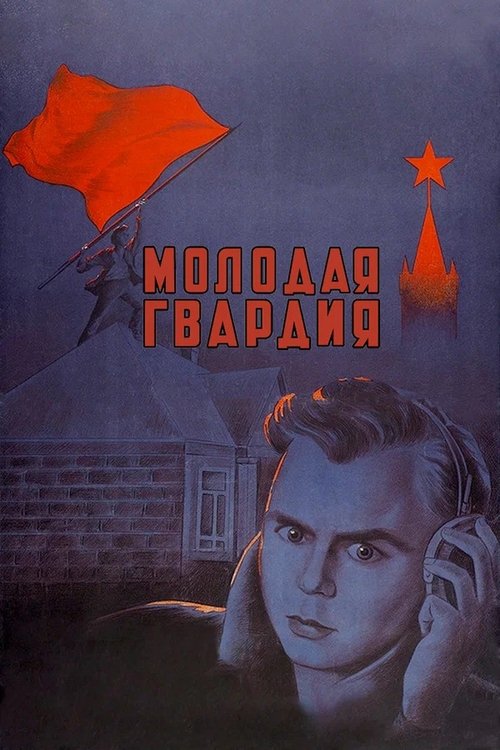
In 1942, local teenagers are organizing the underground resistance in the city of Krasnodon during the Nazi occupation of Russia. The teens manage to outsmart the Nazis in their fight, and their activity lifts the spirits of the surviving citizens.
1959

1945

1943
1962

1943

2016
1991

2020
No reviews yet. Be the first to share your thoughts on this movie!
Use the rating form above to leave a star rating and optional review.