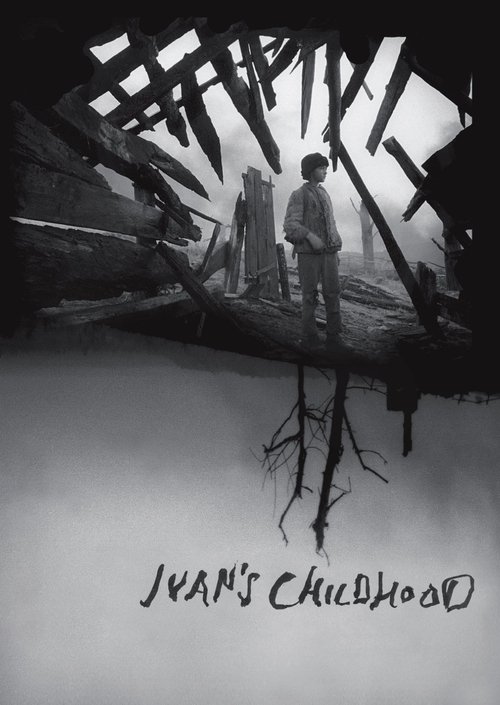
Ivan's Childhood
1962
No user ratings available yet
Representation score: 4.0 out of 10
Representation Score
Fair
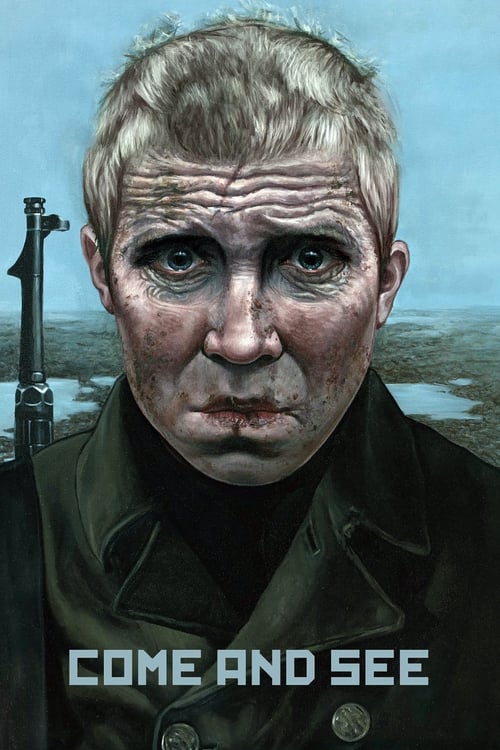
1985
NRDirector
Elem Klimov
Runtime
142 minutes
Average Rating
No ratings yetNew Showbiz Analysis
Come and See rejects sanitized, heroic myths often found in war cinema. It uses a visceral, sensory-driven approach to highlight the systemic destruction of individuals and communities. By focusing on the psychological disintegration of the protagonist, the film moves away from traditional propaganda toward a harrowing, existentialist perspective. The film's strength lies in its refusal to romanticize conflict, providing a raw, unvarnished depiction of human suffering and the collapse of social and ethical orders. While it lacks modern identity-based representation, its value is found in its devastating critique of systemic violence and its focus on the occupied experience.
Category Breakdown
The film does not include any LGBTQ+ characters or narratives. The story focuses solely on the protagonist's survival and the experiences of civilians during wartime occupation.
The narrative centers on the male experience of combat and lost innocence. Women and children play key roles in the emotional weight of the story, often depicted through the lens of victimhood.
The film provides a focused depiction of Belarusian peasantry. While the cast is ethnically homogeneous, it centers the perspective of the occupied population rather than liberating forces.
The film steers clear of patriotic triumphalism to critique systemic violence. It portrays traditional village structures and family units as fragile entities shattered by the machinery of war.
The film offers a profound study of invisible disability through acute psychological trauma. The protagonist's descent into sensory and mental shock serves as a central narrative driver.
Present on Screen
Limited or Absent
Official Synopsis
The invasion of a village in Belarus by German forces sends young Flyora into the forest to join the weary Resistance fighters, against his family's wishes. There he meets a girl, Glasha, who accompanies him back to his village. On returning home, Flyora finds his family and fellow peasants massacred. His continued survival amidst the brutal debris of war becomes increasingly nightmarish, a battle between despair and hope.
1962
1952
1955
1977
1959
1987

2015

1959
No reviews yet. Be the first to share your thoughts on this movie!
Use the rating form above to leave a star rating and optional review.