
Five Branded Women
1960
No user ratings available yet
Representation score: 5.7 out of 10

Representation Score
Excellent
1971
Director
Milutin Kosovac
Runtime
73 minutes
Average Rating
No ratings yetNew Showbiz Analysis
The film stands out by placing a group of women at the center of a high-risk military mission. This choice challenges traditional wartime narratives that often sideline female characters. While the narrative explores romantic tension, it ultimately prioritizes political and ideological devotion to the motherland. This shifts focus away from individual romance to a collective struggle for freedom. The production reflects the multi-ethnic and anti-fascist landscape of the Yugoslav resistance. It moves away from homogeneous nationalist depictions to highlight a shared mission of liberation.
Category Breakdown
The story centers on romantic competition between women for a male commander. Non-straight relationships are not explicitly shown.
Nineteen women lead the high-stakes mission to escort the wounded. This positions them as resilient and empowered figures, challenging traditional gender roles.
Set during the Yugoslav Partisan movement, the film depicts a multi-ethnic coalition fighting for liberation. The historical context highlights a diverse group united by a common goal.
The film emphasizes collective resistance against fascism rather than individual romance. It portrays the fight against Nazi occupation as essential for systemic change.
Wounded partisans play a key role in driving the plot and creating tension. Their inclusion underscores themes of communal care and physical vulnerability.
Present on Screen
Limited or Absent
Official Synopsis
A group of 19 young women, led by a partizan man, are the only people available to escort a number of partisan wounded in the struggle for freedom, in the mountain ranges invaded by the Nazi army. The crossing of difficult tracks, and a few encounters with enemy patrols provide danger, and death for some heroines. Two girls are in love with the column's commander, but love for the motherland and freedom will prove stronger.
1960

1960
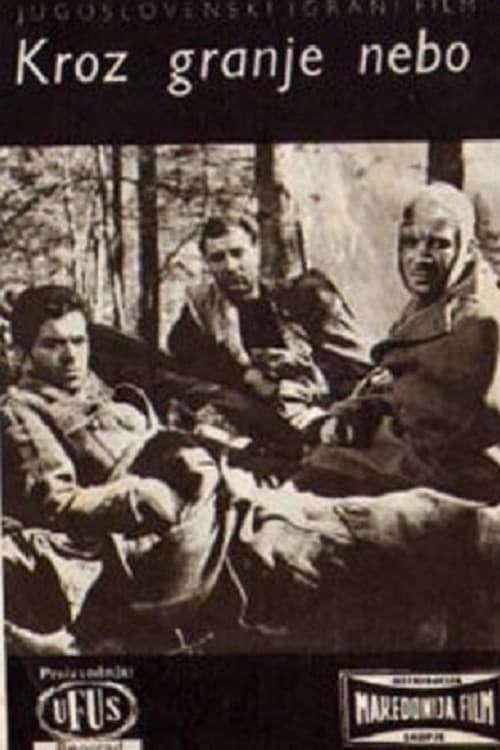
1958

1977

1961
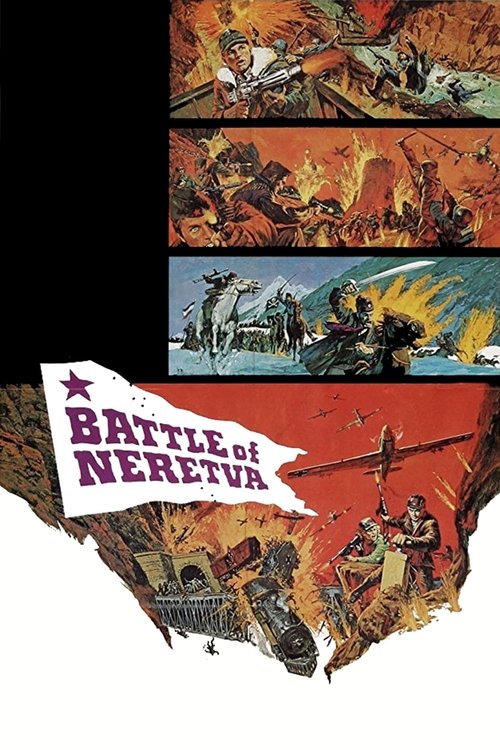
1969
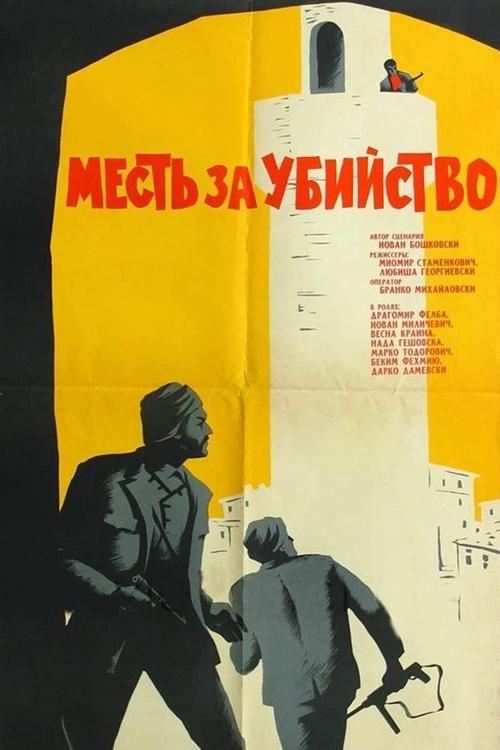
1964
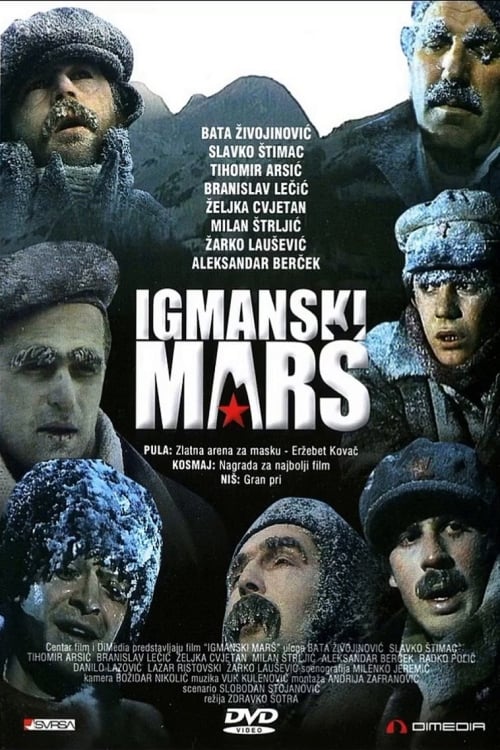
1983
No reviews yet. Be the first to share your thoughts on this movie!
Use the rating form above to leave a star rating and optional review.