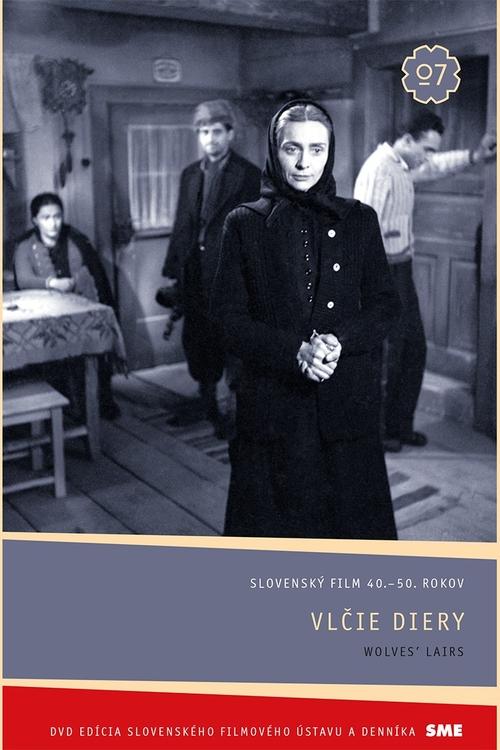
Wolves' Lairs
1948
No user ratings available yet
Representation score: 5.1 out of 10

Representation Score
Fair
1955
Director
France Štiglic
Runtime
83 minutes
Average Rating
No ratings yetNew Showbiz Analysis
Wolf's Night is a historical drama centered on the Macedonian struggle against Bulgarian occupation. By highlighting the Macedonian ethnic resistance, the film challenges the dominance of the occupying power and offers meaningful ethnic representation. However, the film adheres to the social constraints of 1950s partisan cinema. It lacks modern markers of diversity, particularly regarding LGBTQ+ identities and neurodivergent representation, which limits its overall inclusivity. Ultimately, the film serves as a critique of state-driven authority. It succeeds as a narrative of collective ability to act, even while maintaining traditional gender roles and straight-centered structures.
Category Breakdown
The film does not include any characters with non-binary genders or same-sex relationships. It focuses on the collective struggle against fascist occupation.
Female characters likely play supporting or secondary roles within the resistance movement. Despite the need for active female participation in partisan warfare, the film follows traditional gender roles.
The story centers on the Macedonian partisan experience against Bulgarian fascist authorities. This highlights the ability to act of a underrepresented group fighting for self-determination.
The film critiques systemic oppression by portraying the occupying authorities as oppressors. It emphasizes collective survival and anti-fascist resistance over individualistic pursuits.
There is no documented evidence regarding the portrayal of physical or neurodivergent disabilities in this work.
Present on Screen
Limited or Absent
Official Synopsis
A group of Macedonian partisans are hiding away in the mountains from Bulgarian fascist authorities that occupy Macedonia.
1948

1945
1964
1977
1958
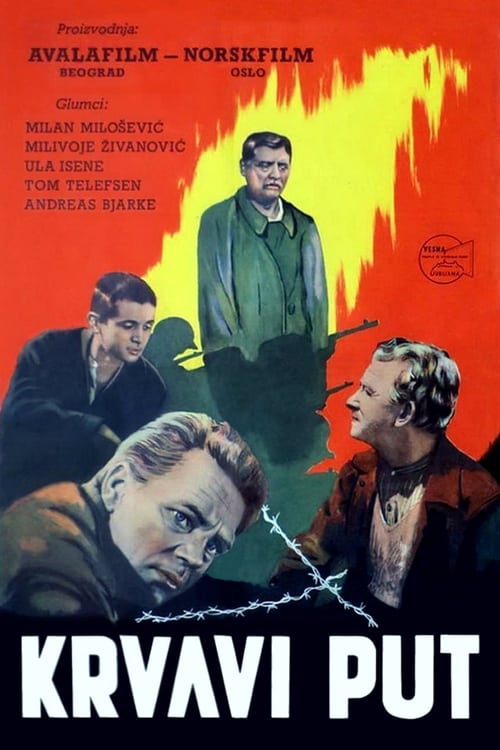
1955
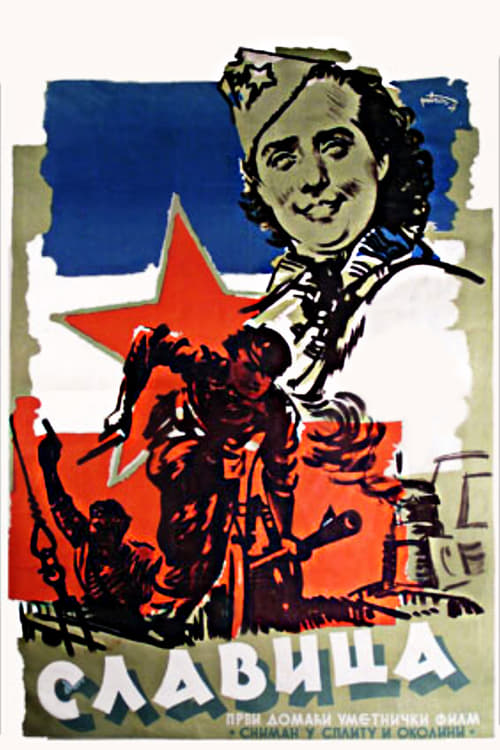
1947
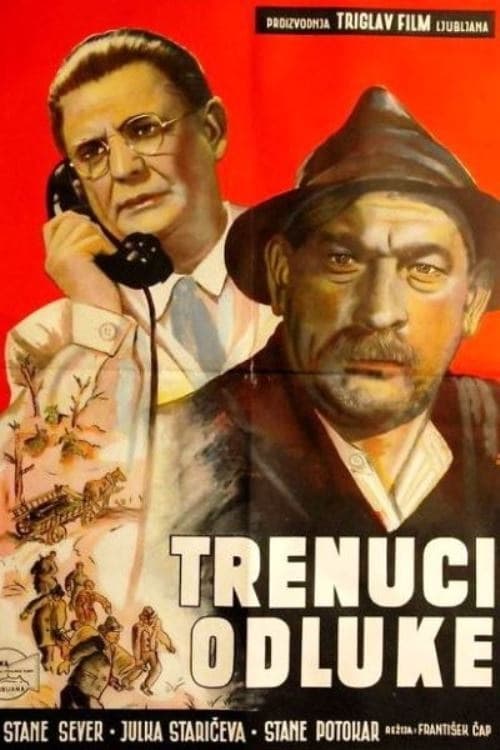
1955
No reviews yet. Be the first to share your thoughts on this movie!
Use the rating form above to leave a star rating and optional review.