Violins at the Ball
1974
No user ratings available yet
Diversity score: 6.9 out of 10
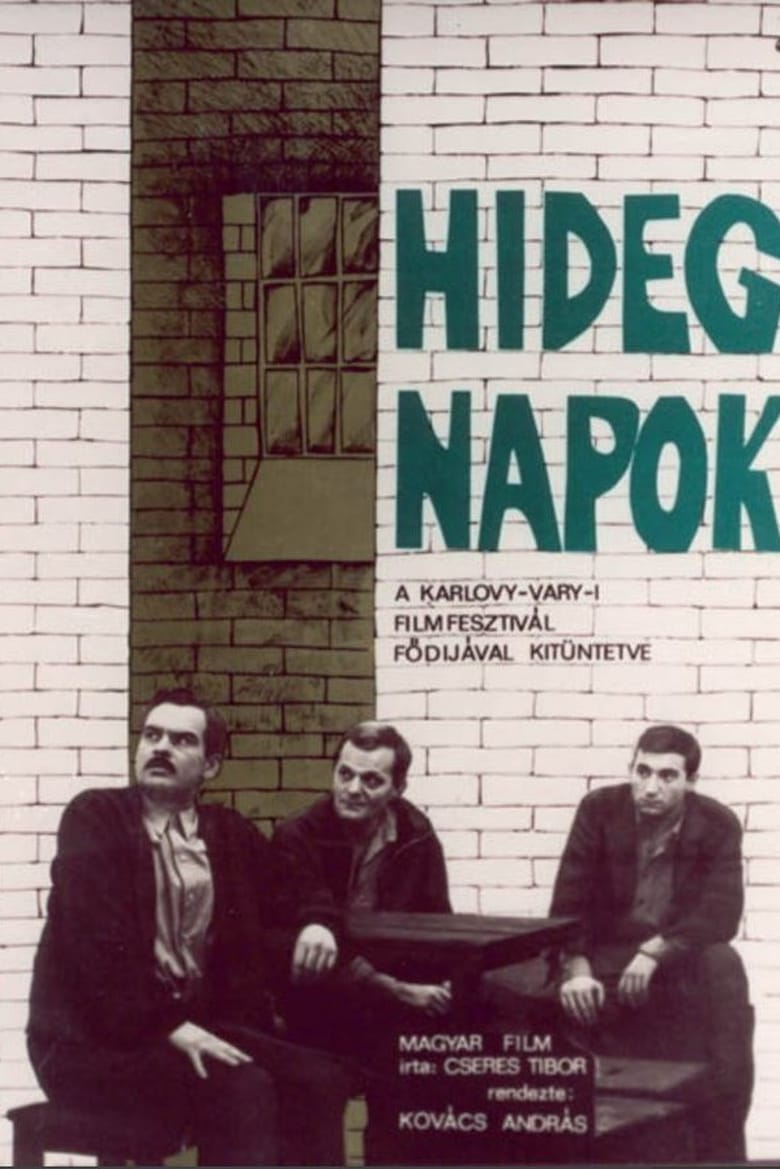
1966
Director
András Kovács
Runtime
96 minutes
Average Rating
No ratings yetSynopsis
Andras Kovacs' film, considered one of the most important Hungarian films of the 1960s, centers around four men who await trial for their involvement in the massacre of several thousand Jewish and Serbian people of Novi Sad in 1942. Each denies any responsibility, claiming that they were only following orders. The film is significant for its willingness to address the subject of Hungary's role in WWII, which was taboo at the time of the its release.
Overall Score
Fair
Category Breakdown
LGBTQ+ Representation
The film lacks explicit LGBTQ+ characters or narratives. As a war drama centered on a military tribunal, the story focuses on a different set of social dynamics.
Gender Representation
The narrative is heavily male-dominated, focusing on four men awaiting trial. There is no evidence of female characters driving the plot or subverting traditional gender hierarchies.
Racial & Ethnic Diversity
The film provides high visibility to marginalized groups by centering the narrative on the Jewish and Serbian victims of the Novi Sad massacre. It prioritizes their history over nationalistic myths.
Religious & Cultural Diversity
The film offers a deep critique of institutional power and state-sponsored violence. It challenges traditional notions of patriotism by exploring the moral complexities of following orders during wartime.
Disability Representation
There is no specific evidence regarding the portrayal of physical or neurodivergent disabilities within the film's narrative.
Strengths
Areas for Improvement
AI Analysis
Cold Days is a significant work of historical revisionism that confronts the taboo subject of Hungary's role in WWII atrocities. It succeeds by dismantling sanitized national myths and centering the victims of systemic violence. However, the film remains limited by the conventions of its era and genre. The focus is almost exclusively on masculine culpability and legalistic confrontation, leaving little room for gender or LGBTQ+ diversity. Ultimately, the film's value lies in its moral courage. It trades traditional heroic narratives for a complex, systemic examination of how state institutions drive ethnic violence.
1974
1965
1967
1983
1962
2011
2016
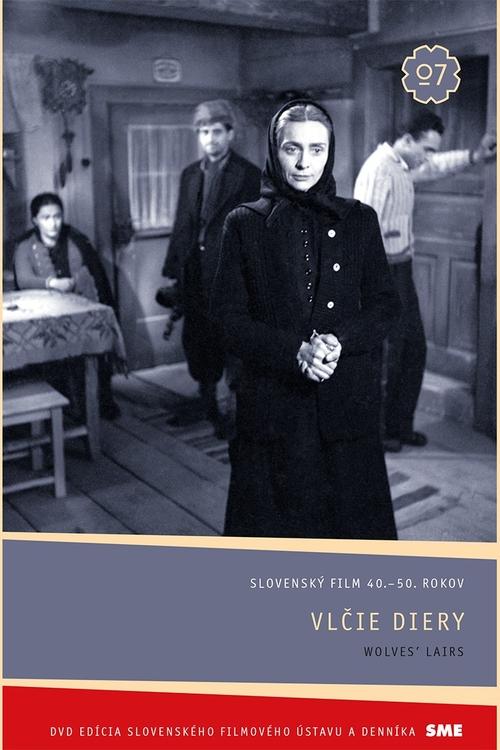
1948
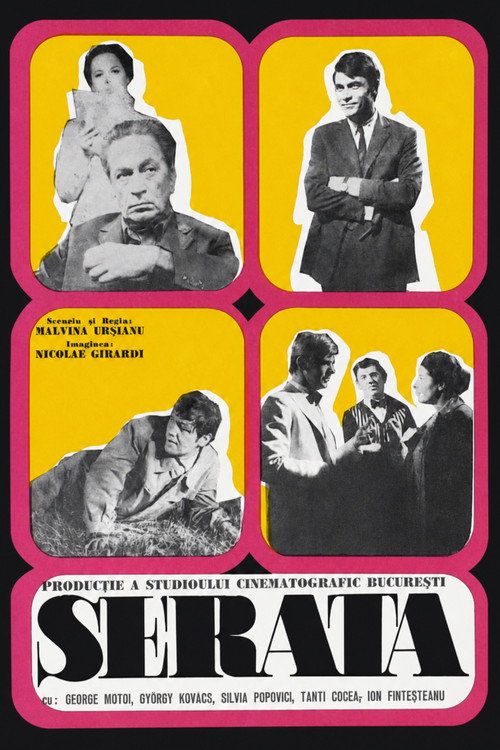
1971
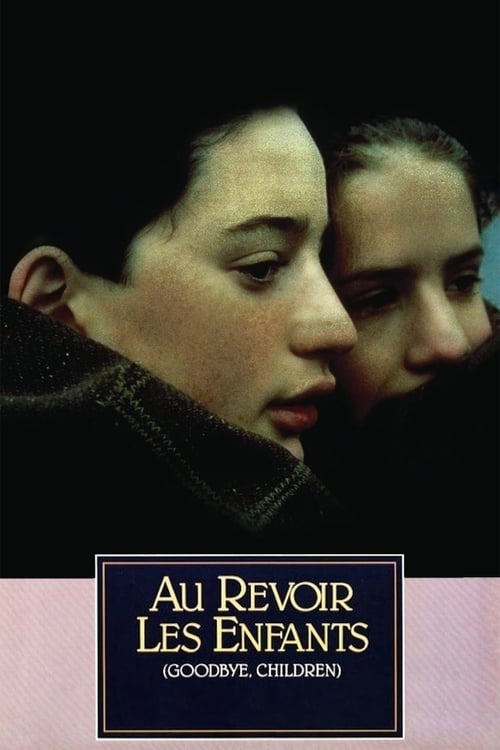
1987

1964
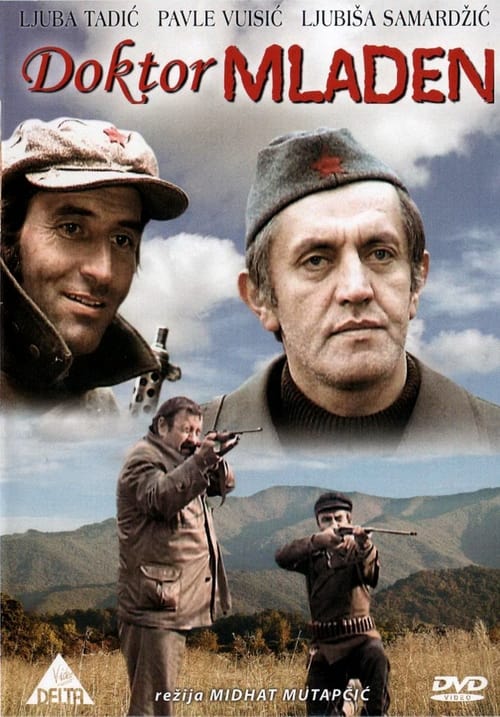
1975
No reviews yet. Be the first to share your thoughts on this movie!
Use the rating form above to leave a star rating and optional review.