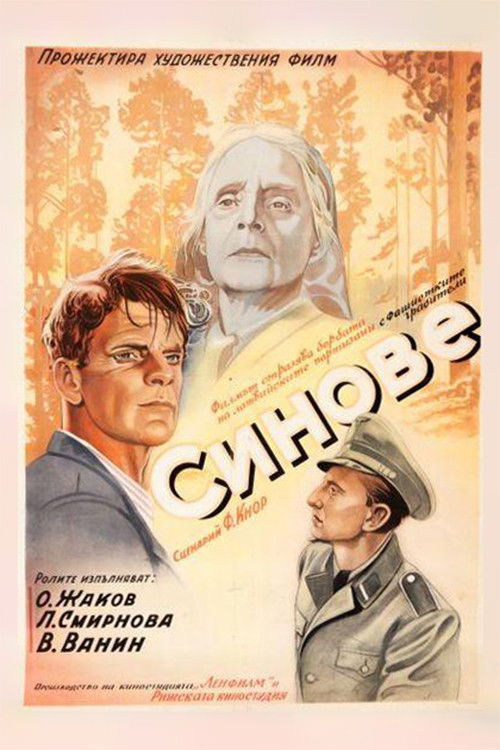
The Road Home
1946
No user ratings available yet
Representation score: 3.0 out of 10
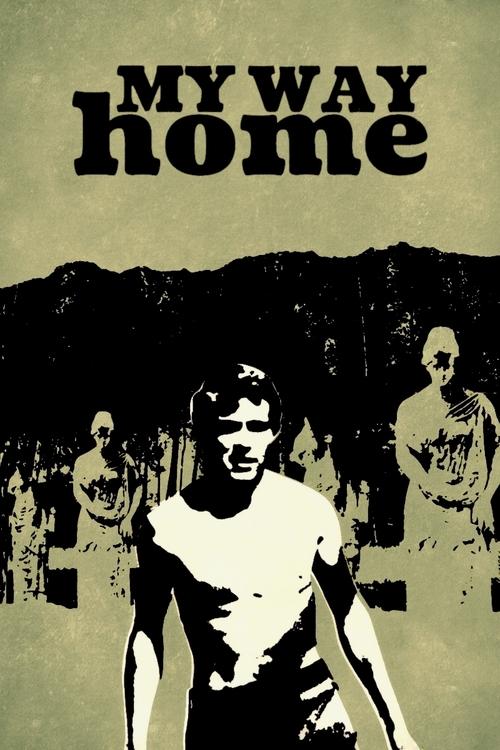
Representation Score
Fair
1965
Director
Miklós Jancsó
Runtime
99 minutes
Average Rating
No ratings yetNew Showbiz Analysis
Miklós Jancsó’s work delves into the mechanics of authority and systemic oppression. Using the post-WWII landscape, the film examines how power dynamics influence personal relationships. By focusing on the tension between Hungarian and Soviet identities, the film avoids simple nationalist clichés, offering a nuanced view of geopolitical conflicts. However, the narrow focus on male-dominated military settings limits the diversity of perspectives.
Category Breakdown
The film examines an intimate bond between two male characters in a tense wartime setting. Though not explicitly labeled as LGBTQ, the close relationship between underrepresented men in such settings often challenges traditional notions of masculinity.
The story focuses on male-dominated environments like prison camps and military operations. The absence of strong female roles or perspectives means the film does not fully represent gender diversity.
The film highlights ethnic tensions through the relationship between Hungary and the Soviet Union. By showing the friction between different cultural identities, it avoids simplistic representations of soldiers and citizens.
The setting critiques nationalist structures through shared human experiences. The bond between characters blurs the line between occupier and occupied, challenging singular ideological morality.
There are no characters with visible or invisible disabilities in the story.
Present on Screen
Limited or Absent
Official Synopsis
In the aftermath of World War II, a Hungarian teenager, captured by Soviet troops, forms an unlikely bond with a Russian soldier in a remote prison camp.
1946
1977
1962
1960
1964

1968

1959
1960
No reviews yet. Be the first to share your thoughts on this movie!
Use the rating form above to leave a star rating and optional review.