The Morning
1967
No user ratings available yet
Diversity score: 5.7 out of 10
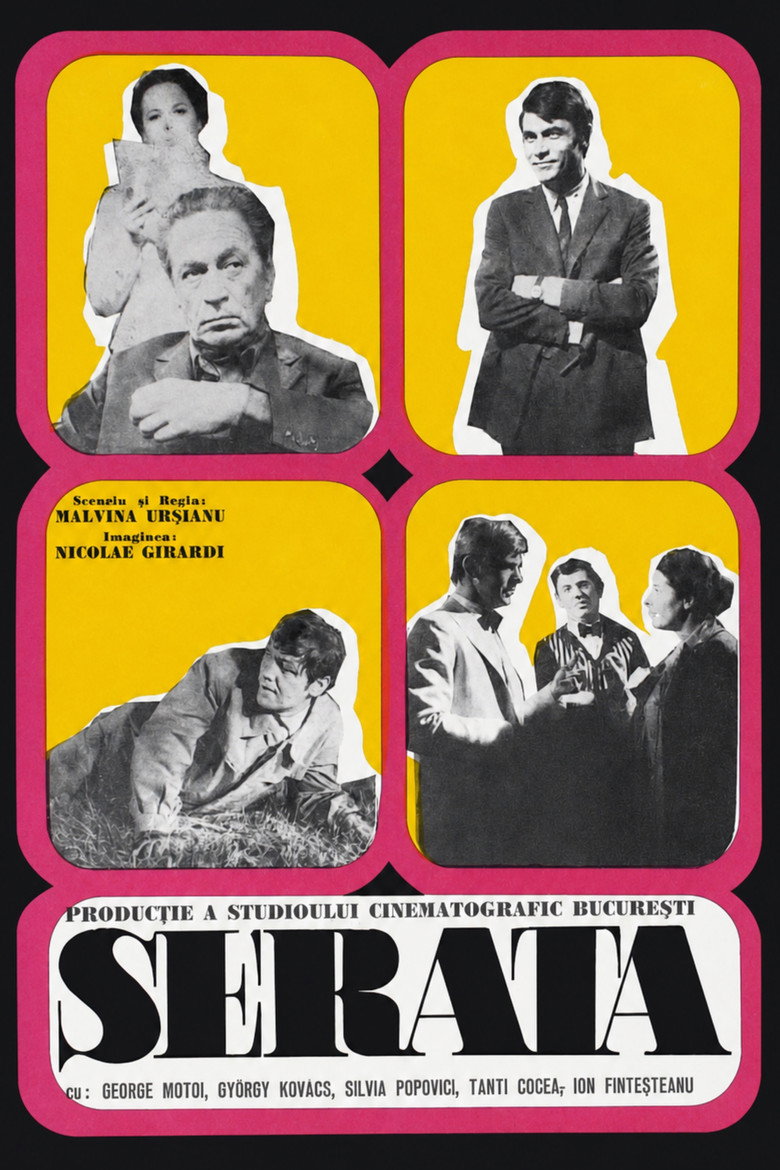
1971
Director
Malvina Urșianu
Runtime
89 minutes
Average Rating
No ratings yetSynopsis
At a party with diverse guests are dealing with the events os August 23rd, 1944. Guests are serving as metaphors for different parts of society.
Overall Score
Fair
Category Breakdown
LGBTQ+ Representation
The film lacks explicit evidence of LGBTQ+ characters or non-heteronormative identities. The narrative focuses primarily on the sociopolitical upheaval of August 1944.
Gender Representation
Directed by Malvina Urșianu, the film offers a female perspective within a male-dominated era. The party setting allows for an exploration of how gendered roles intersect with political crisis.
Racial & Ethnic Diversity
The cast consists primarily of regional actors, reflecting the standard demographics of 1971 Romania. Diversity appears to be centered on class and politics rather than multi-ethnic representation.
Religious & Cultural Diversity
The story uses a party as a metaphor to critique established institutions and power structures. It engages deeply with the historical political realignment of Romania in 1944.
Disability Representation
There is no evidence of characters with physical or neurodivergent disabilities within the film's context.
Strengths
Areas for Improvement
AI Analysis
The Evening Party is a period drama that uses allegory to examine societal fractures during a pivotal moment in Romanian history. Its primary strength lies in its metaphorical approach to social hierarchies and systemic change. However, the film lacks modern intersectional markers. It focuses on regional political transitions and class-based diversity rather than broader ethnic or LGBTQ+ representation. While the directorial lens provides a unique gendered perspective, the film remains rooted in the specific demographic and social realities of its 1971 production era.
1967
1962
1965
1942

1980
1945
1948
1984

1949
1974
2011
1955
No reviews yet. Be the first to share your thoughts on this movie!
Use the rating form above to leave a star rating and optional review.