
The Boys
1962
No user ratings available yet
Diversity score: 5.4 out of 10
2016
RDirector
Jasmin Dizdar
Runtime
101 minutes
Average Rating
No ratings yetSynopsis
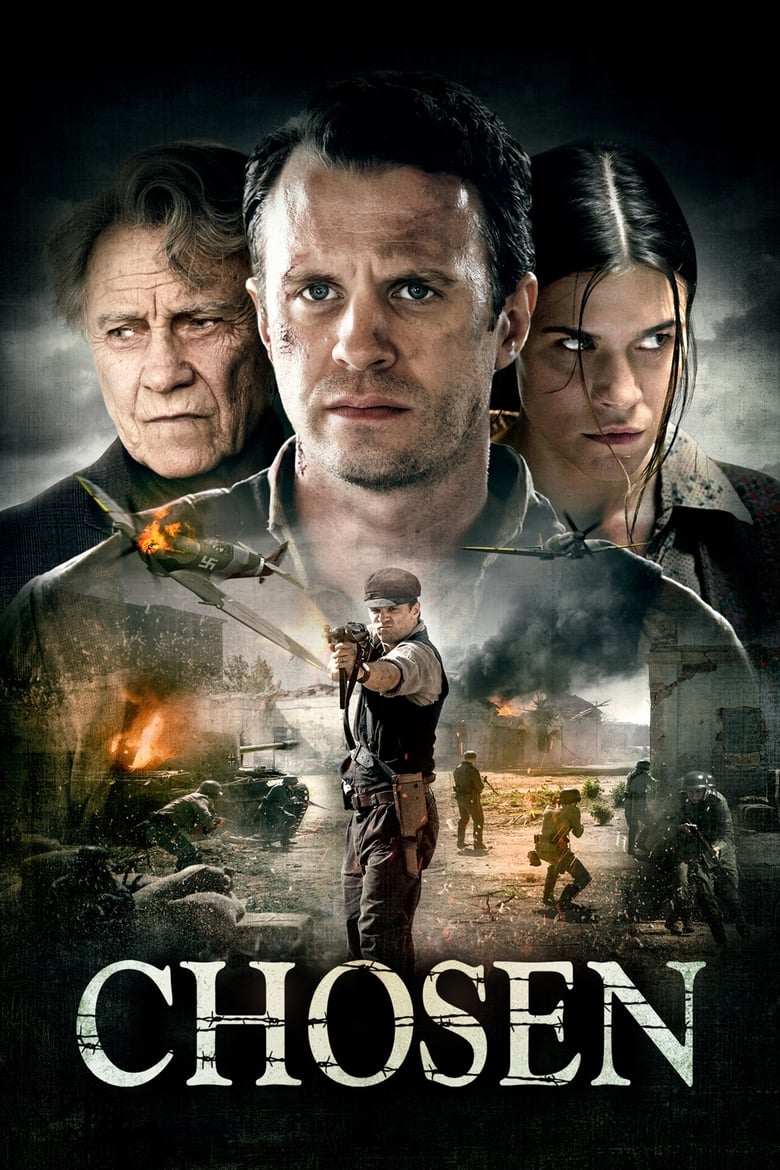
An unassuming young lawyer leads a fight against the Nazis near the end of the Second World War.
Overall Score
Fair
Category Breakdown
LGBTQ+ Representation
The film lacks visible evidence of LGBTQ+ characters or non-heteronormative identities. In this WWII-era setting, such themes may be relegated to subtext or suppressed by the historical context.
Gender Representation
The plot centers on a male lawyer, following traditional historical depictions of legal agency. However, the inclusion of female cast members suggests a multi-dimensional ensemble beyond the protagonist.
Racial & Ethnic Diversity
The production in Romania and an international cast provide a perspective that moves beyond a purely Anglo-Saxon lens. This shifts the WWII narrative away from a strictly Western-centric gaze.
Religious & Cultural Diversity
The narrative engages with systemic critique by framing a struggle against the Nazi regime. It explores themes of justice and moral resistance against a monolithic, oppressive power structure.
Disability Representation
There is no mention of characters with visible or invisible disabilities within the available narrative details.
Strengths
Areas for Improvement
AI Analysis
Chosen offers a nuanced historical perspective by centering its conflict in Romania rather than a traditional Western European setting. This choice challenges the standard Anglo-Saxon lens often found in WWII cinema. The international ensemble and geographical shift provide a more diverse view of the era's systemic oppression. However, the film adheres to several conventional genre tropes. The central narrative drive follows a male protagonist, which aligns with traditional gendered roles of the 1940s. This focus on a singular male figure for legal agency limits the breadth of its gender representation. Ultimately, the film succeeds through its thematic focus on resisting institutional corruption. While it lacks explicit LGBTQ+ visibility or disability representation, its critique of totalitarianism provides a meaningful exploration of individual agency against systemic harm.
1962
1942
1948
1966

1992
2011

2020

1988
1996

2017
1974

1945
No reviews yet. Be the first to share your thoughts on this movie!
Use the rating form above to leave a star rating and optional review.