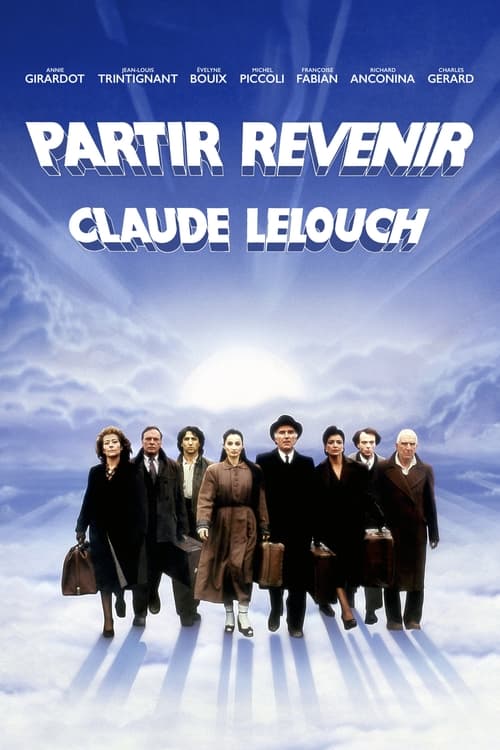
Going and Coming Back
1985
No user ratings available yet
Representation score: 4.3 out of 10
Representation Score
Good
1974
Director
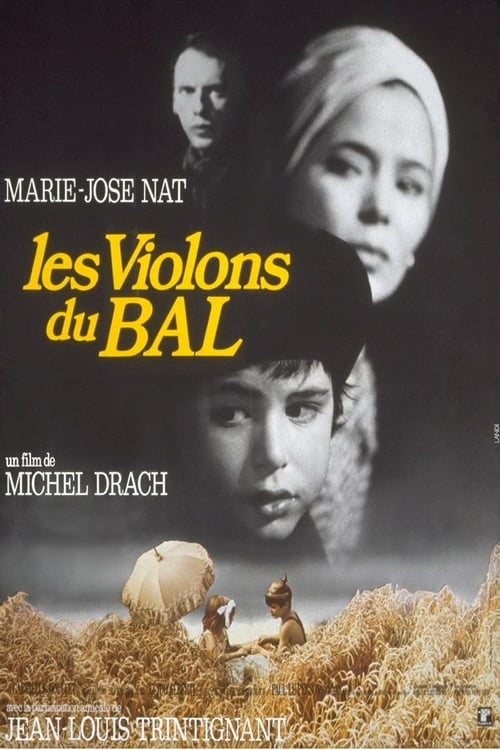
Michel Drach
Runtime
110 minutes
Average Rating
No ratings yetNew Showbiz Analysis
Violins at the Ball is a deeply personal, semi-autobiographical work that recovers collective memory from historical erasure. By shifting the perspective from the conqueror to the persecuted, the film challenges traditional historical hierarchies. The film's primary strength lies in its commitment to ethnic authenticity and its refusal to sanitize the systemic victimization of the Jewish community. It serves as a vital piece of testimony regarding identity and survival. However, the narrative lacks explicit representation for LGBTQ+ identities or disability-focused themes. The focus remains strictly on the existential threat posed by Nazi occupation to the family unit.
Category Breakdown
The film does not include explicit LGBTQ+ character arcs or non-cisgender identities. The narrative focuses on the survival of the Jewish family unit during the occupation.
The film features gendered roles within the family's survival efforts. It highlights the psychological resilience of female family members, although their ability to act is primarily tied to domestic preservation.
The film offers a deep exploration of the systemic persecution faced by the Jewish diaspora. It shifts away from white-centric wartime perspectives by focusing on the lived experiences of a underrepresented ethnic group.
The story critiques state-sponsored oppression and the corruption of institutional morality. It examines how traditional social orders are used against specific identities during the Holocaust.
There is no documented evidence regarding the portrayal of physical or neurodivergent disabilities in the film.
Present on Screen
Limited or Absent
Official Synopsis
In this WW II drama based on an autobiographical story by director Michel Drach, a Jewish boy and his family living in Nazi occupied France, attempt to escape the cruel invaders. Later the boy grows up to become a filmmaker obsessed with chronicling his childhood.
1985

1945
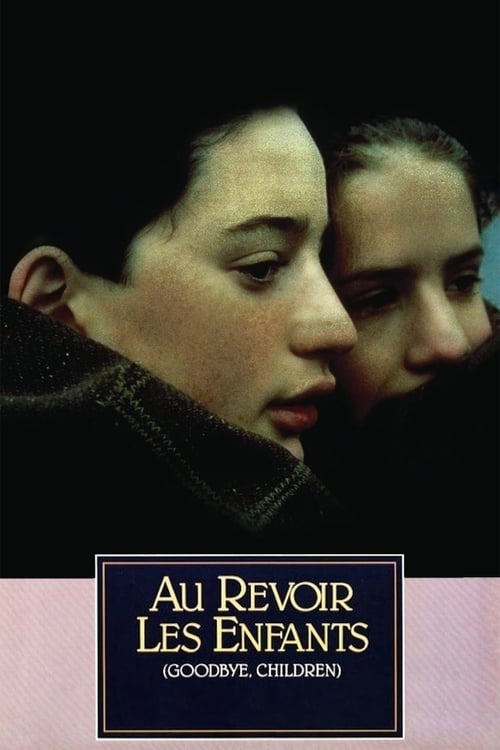
1987

2023
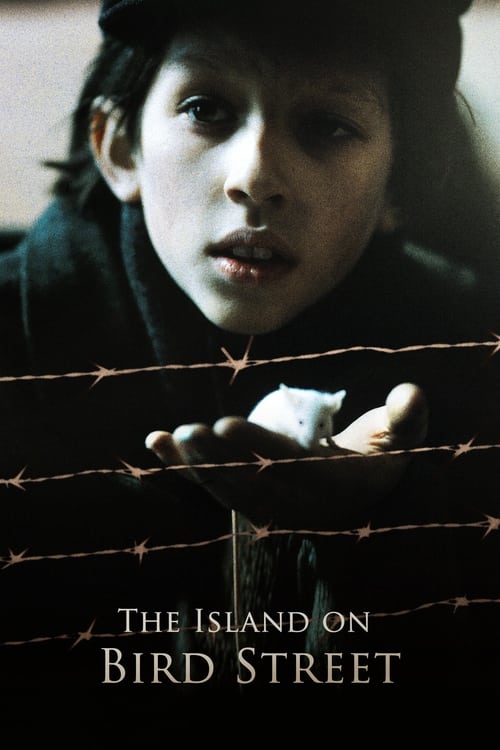
1997

2012

2015
1946
No reviews yet. Be the first to share your thoughts on this movie!
Use the rating form above to leave a star rating and optional review.