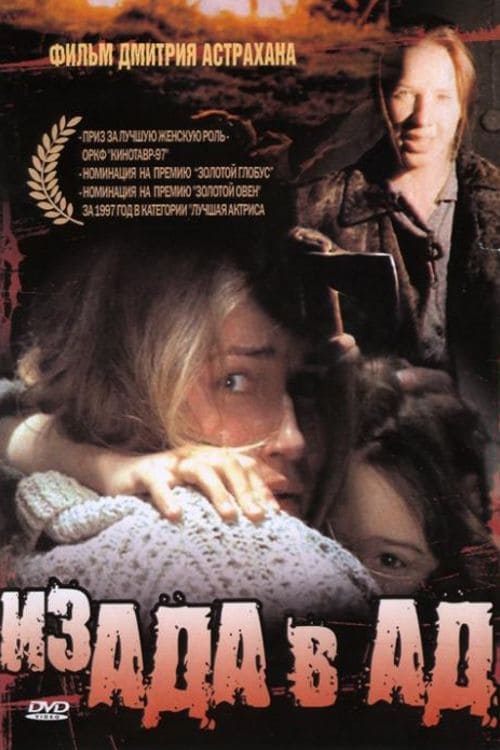
From Hell to Hell
1997
No user ratings available yet
Representation score: 5.7 out of 10
Representation Score
Fair
1983
Director
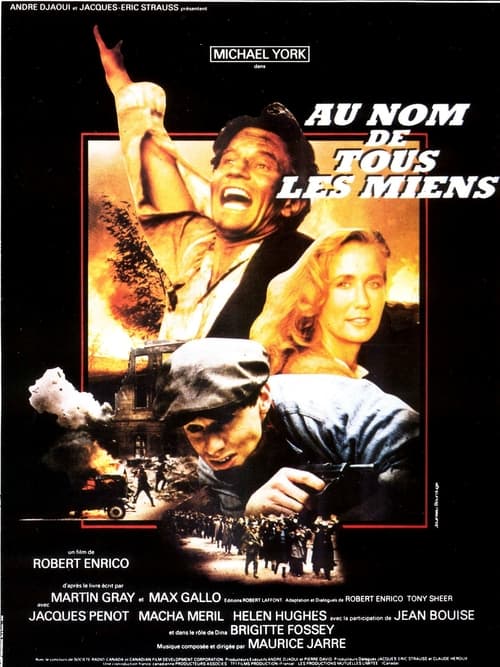
Robert Enrico
Runtime
145 minutes
Average Rating
No ratings yetNew Showbiz Analysis
For Those I Loved is a historical drama that stands out for its strong ethnic specificity. By focusing on the Polish-Jewish experience and the trauma of the Holocaust, the film offers a unique perspective that contrasts with more uniform Western narratives. The film primarily explores the fragmentation of families and the systemic violence of the 20th century. It serves as a reclaiming of memory, tracing the journey from wartime persecution to the immigrant experience in New York. However, the film lacks contemporary identity-focused frameworks. It shows minimal representation of LGBTQ+ identities or the subversion of traditional gender roles, favoring historical archetypes of domesticity and loss.
Category Breakdown
The film does not include non-traditional gender identities or stories that question the assumption that everyone is straight. The plot revolves around the breakdown of traditional family structures due to wartime events.
Women in the film serve as emotional anchors through the loss of a spouse and family. However, the film likely adheres to traditional portrayals of women as victims or caretakers, which were common in 1980s war dramas.
The story centers on the experiences of Polish-Jewish immigrants, offering a detailed look at their specific cultural background. It delves into the complexities of moving from Poland to New York and adapting to a new environment.
The film examines the impact of political upheaval on traditional ways of life. It presents a nuanced view of ethical dilemmas and survival in the face of societal collapse.
There is no specific mention of how physical or neurodivergent disabilities are portrayed in this film.
Present on Screen
Limited or Absent
Official Synopsis
Polish Martin Gray recalls the Holocaust, New York prosperity, and losing his wife and family.
1997

1965

1963

1987

2003
1998
1997

2020
No reviews yet. Be the first to share your thoughts on this movie!
Use the rating form above to leave a star rating and optional review.