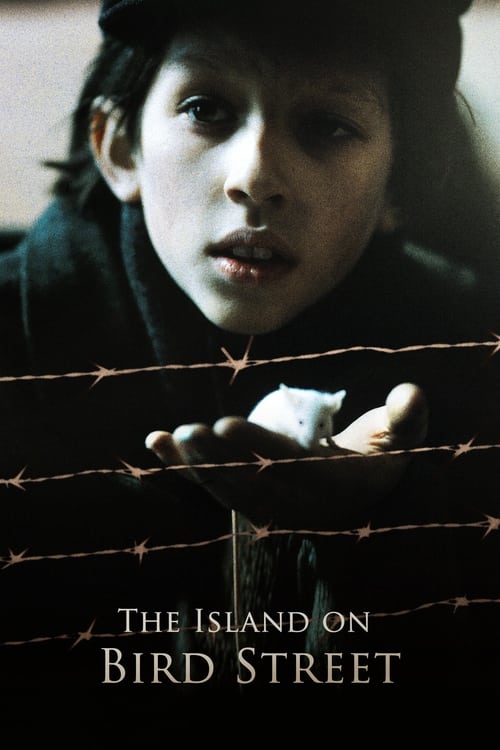
The Island on Bird Street
1997
No user ratings available yet
Diversity score: 4.1 out of 10
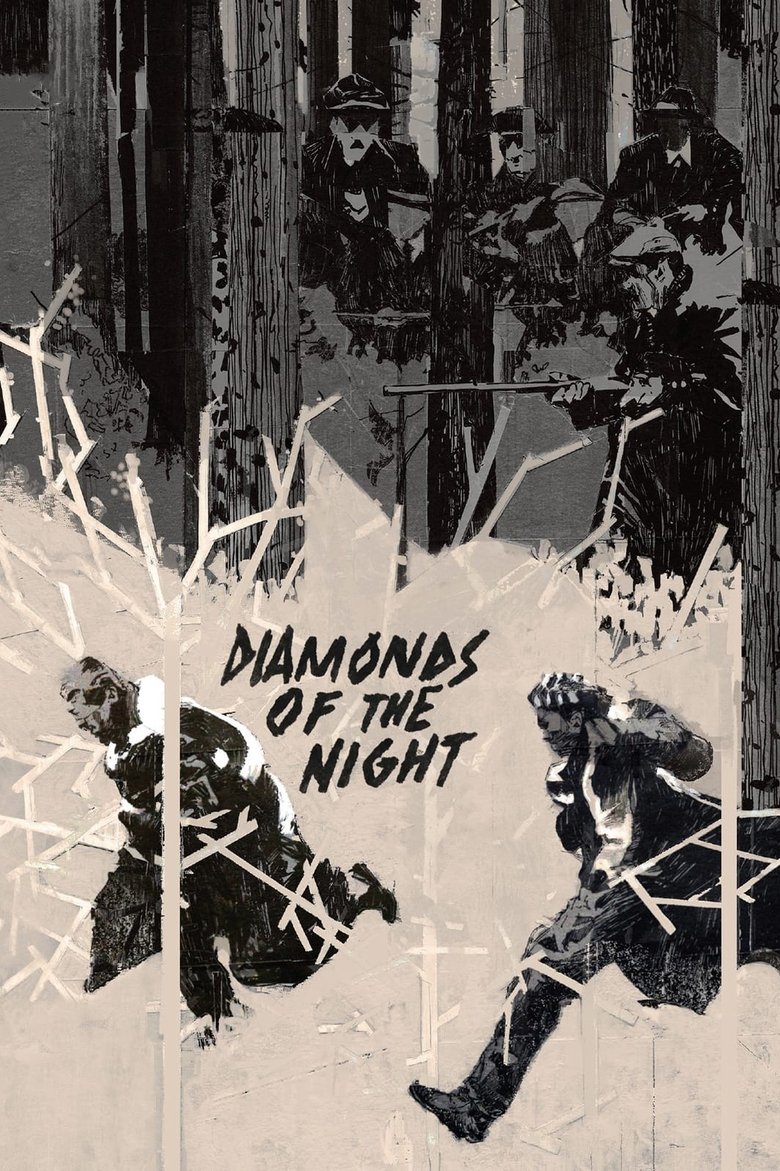
1964
Not RatedDirector
Jan Němec
Runtime
67 minutes
Average Rating
No ratings yetSynopsis
Two Jewish boys escape from a train transporting them from one concentration camp to another. Beyond themes of war and anti-Nazism, the film concerns itself with man's struggle to preserve human dignity.
Overall Score
Fair
Category Breakdown
LGBTQ+ Representation
The film focuses on a minimalist, survivalist framework centered on the existential threats of the Holocaust. It contains no depictions of non-cisnormative gender identities or same-sex intimacy.
Gender Representation
The narrative is almost exclusively male-dominated, focusing on adolescent boys and partisans. It lacks female agency and fails to provide a diverse spectrum of gendered experiences.
Racial & Ethnic Diversity
The story centers on the Jewish experience, providing a profound look at a marginalized group facing systemic erasure. It prioritizes the agency and psychological depth of Jewish protagonists.
Religious & Cultural Diversity
The film critiques totalitarianism and explores the breakdown of social order through a poetic, non-linear structure. It uses moral relativism to challenge traditional Western certainties.
Disability Representation
There are no specific depictions of visible or invisible disabilities used as central plot devices or character traits within the narrative.
Strengths
Areas for Improvement
AI Analysis
Jan Němec’s work is a landmark of the Czechoslovak New Wave, utilizing avant-garde allegory to disrupt traditional narrative structures. The film succeeds in reclaiming dignity for Jewish protagonists by focusing on their sensory and psychological experiences amidst the Holocaust. However, the film's impact is limited by a narrow demographic scope. The focus remains strictly on a male-centric wartime perspective, leaving little room for gender diversity or LGBTQ+ representation. Ultimately, the film is a powerful critique of institutional authority and fascism, though it lacks the breadth of representation found in more contemporary multi-ethnic or inclusive storytelling.
1997
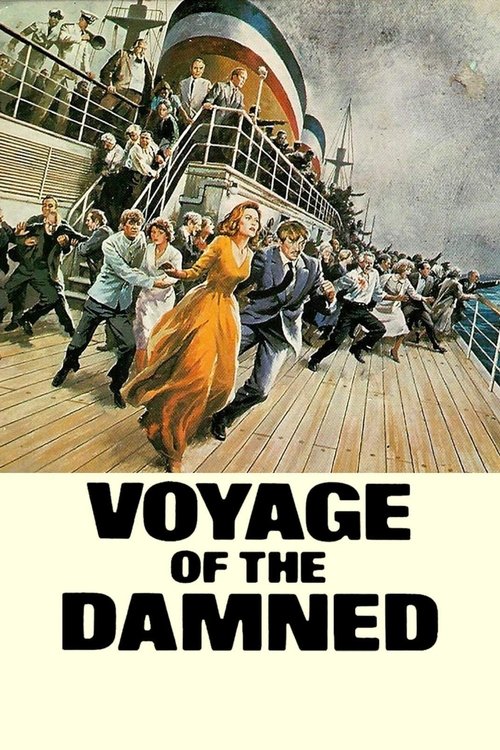
1976
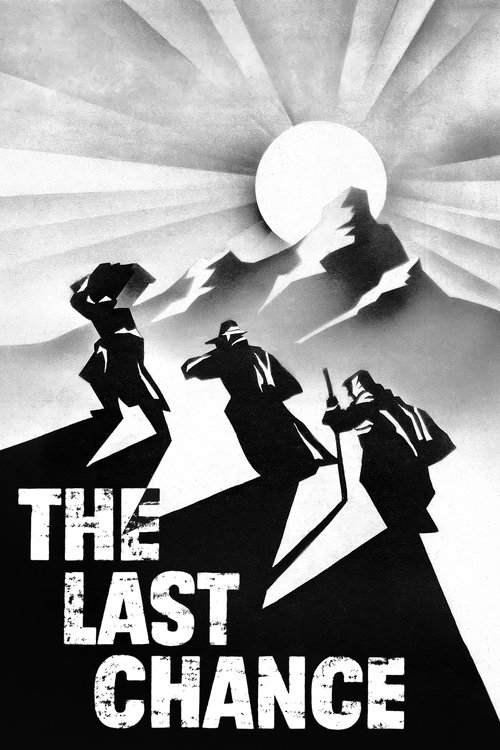
1945
1946
1943

1959
1987
1960
2013

1970
1983
2012
No reviews yet. Be the first to share your thoughts on this movie!
Use the rating form above to leave a star rating and optional review.