The Tale of Zatoichi Continues
1962
No user ratings available yet
Diversity score: 4.7 out of 10
1960
Not RatedDirector
Kazuo Mori
Runtime
91 minutes
Average Rating
No ratings yetSynopsis
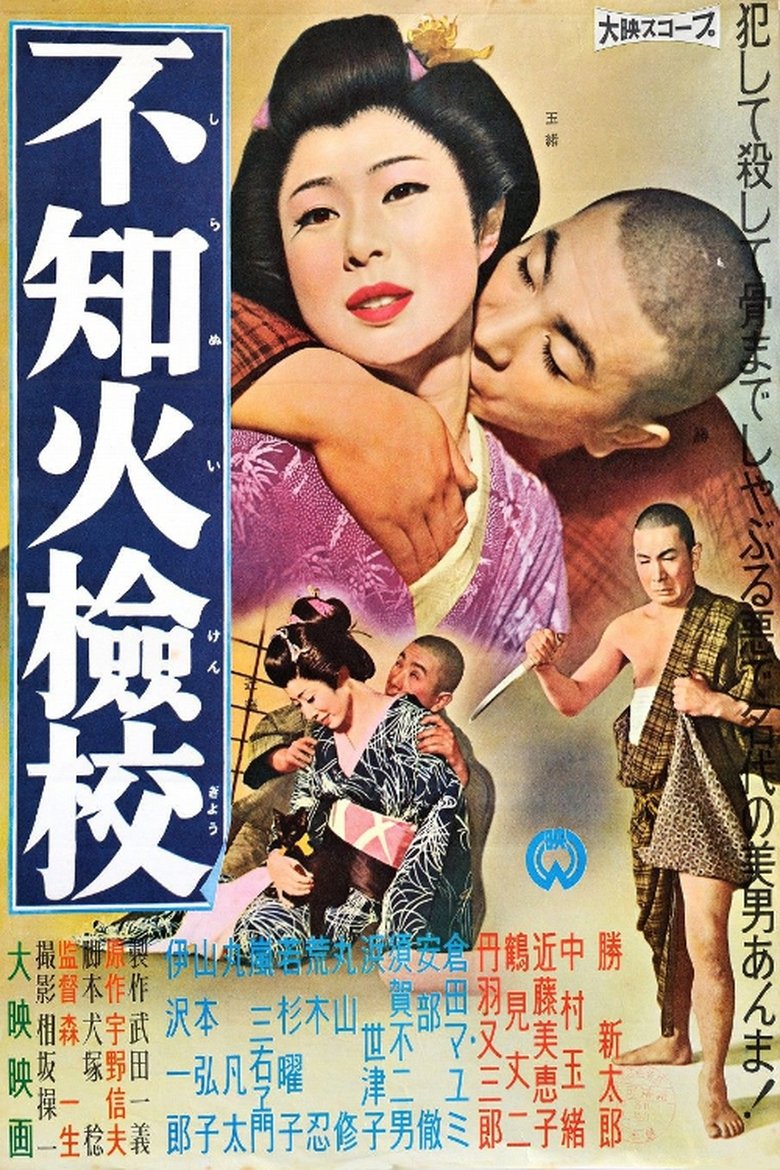
This is the story of a blind masseur who tricks people, steals, and kills; he is the anti-Zatoichi.
Overall Score
Fair
Category Breakdown
LGBTQ+ Representation
The film lacks explicit evidence of LGBTQ+ identities or non-heteronormative dynamics. The narrative focuses primarily on the protagonist's criminal path.
Gender Representation
The story centers on a male protagonist driven by deception and violence. It does not offer a systemic critique of gender hierarchies or elevate female agency.
Racial & Ethnic Diversity
As a 1960 Japanese production, the film provides a non-Western perspective. It moves away from the Anglo-centric dominance typical of global cinema in that era.
Religious & Cultural Diversity
The film subverts traditional moral frameworks by presenting a protagonist who is a thief and killer. This 'anti-Zatoichi' approach challenges the virtuous hero archetype.
Disability Representation
Blindness is used as a tool for agency and survival rather than a source of pity. The protagonist utilizes his sensory experience to manipulate others and commit crimes.
Strengths
Areas for Improvement
AI Analysis
The Blind Menace distinguishes itself by deconstructing the heroic archetypes common in Japanese period dramas. By presenting an 'anti-Zatoichi' figure, the film replaces traditional righteousness with moral relativism and criminal agency. While the film excels in its subversion of disability tropes—using blindness as a functional tool for a protagonist's survival—it remains limited by its period-specific focus. The narrative is heavily centered on a singular male perspective, offering little in the way of gender or LGBTQ+ diversity. Ultimately, the film is a culturally significant non-Western work that challenges genre expectations, even if it does not address a broad spectrum of social identities.
1962
1965
1959
1972
1970
1964
1967

1987
1968
1963
1966
1960
No reviews yet. Be the first to share your thoughts on this movie!
Use the rating form above to leave a star rating and optional review.