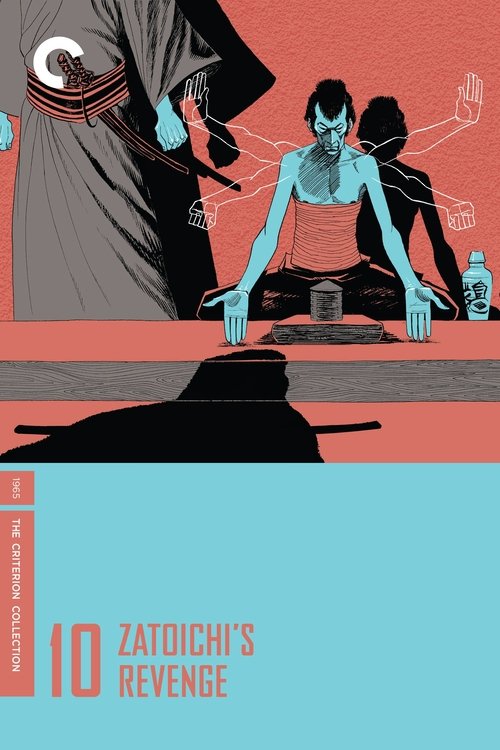
Zatoichi's Revenge
1965
No user ratings available yet
Representation score: 6.3 out of 10
Representation Score
Fair
1972
Not RatedDirector
Kazuo Mori
Runtime
88 minutes
Average Rating
No ratings yetNew Showbiz Analysis
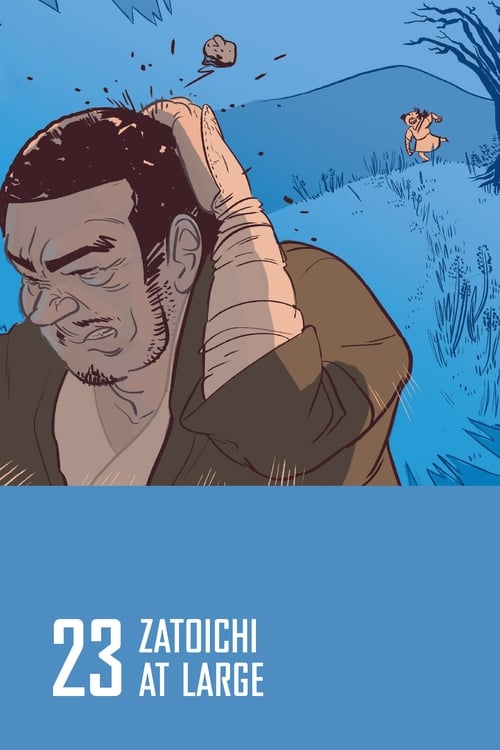
Zatoichi at Large explores social friction within a feudal system, highlighting a protagonist who challenges systemic corruption through his unique perspective. The film successfully portrays blindness as a source of specialized skill rather than a disadvantage. However, it maintains traditional gender hierarchies and lacks diverse representation. Ultimately, the film serves as a critique of rigid class structures, emphasizing individual ethics over corrupt state mandates.
Category Breakdown
The film does not include any LGBTQ+ characters or narratives, maintaining a strictly traditionalist framework.
Women in the film face significant social injustice and systemic exploitation, often portrayed as victims rather than active participants in the conflict.
The cast is ethnically uniform, reflecting the cultural specificity of period-piece Japan without a Western-centric lens.
The film critiques institutional corruption and the struggles of disenfranchised villagers against predatory local powers.
Zatoichi’s blindness is shown as a source of specialized combat skills rather than a weakness to be pitied.
Present on Screen
Limited or Absent
Official Synopsis
Blind masseur and master swordsman Zatoichi finds a robbed and fatally wounded pregnant woman, whose baby he delivers before she dies. He takes the baby in search of its father and finds the child's aunt, who is about to be forced into prostitution for want of a payment the dead mother was bringing. Zatoichi determines to save the woman from her cruel fate.
1965
1962

1972
1962
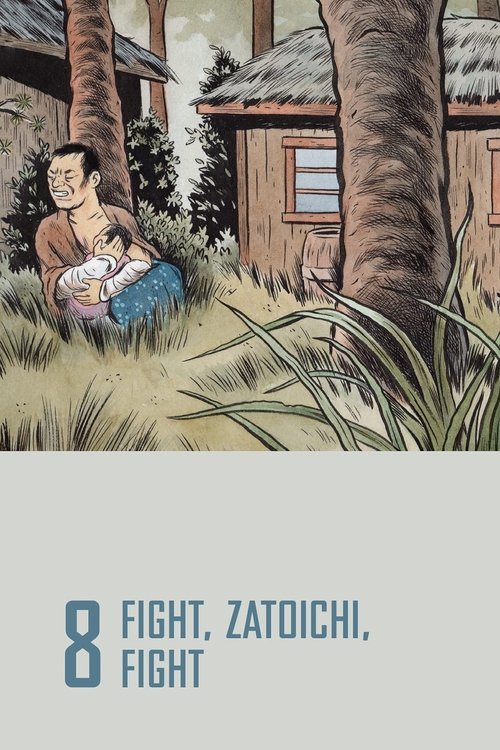
1964
1965
1967
1968
No reviews yet. Be the first to share your thoughts on this movie!
Use the rating form above to leave a star rating and optional review.