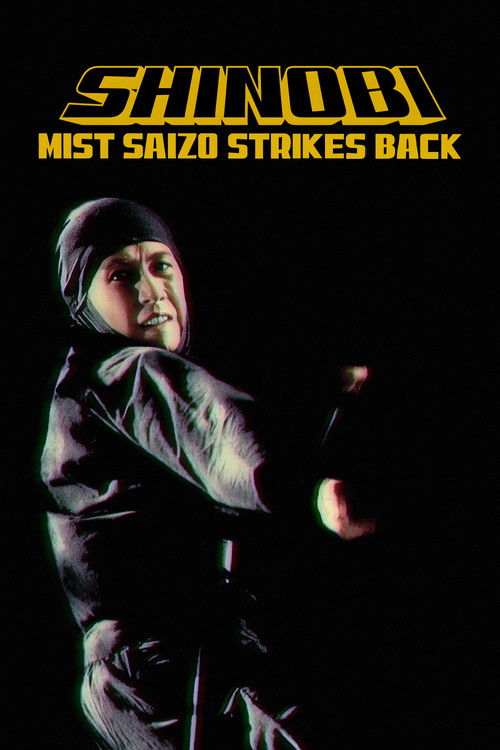
Shinobi no mono 7: Mist Saizo Strikes Back
1966
No user ratings available yet
Representation score: 3.9 out of 10
Representation Score
Fair
1970
Director
Kazuo Mori
Runtime
79 minutes
Average Rating
No ratings yetNew Showbiz Analysis
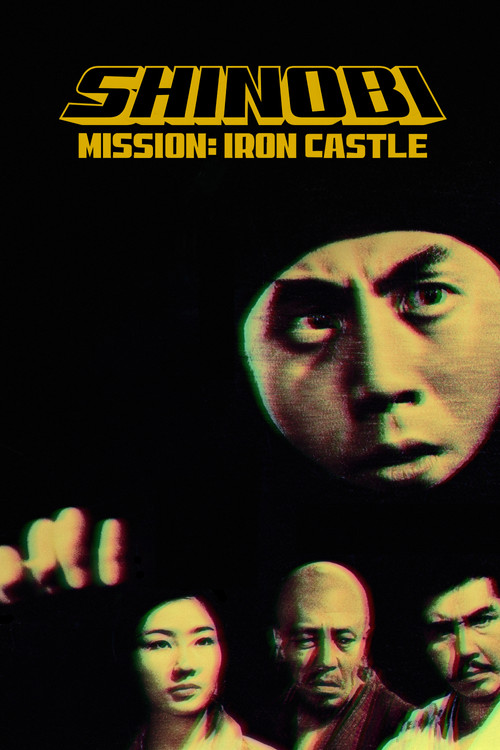
Mission: Iron Castle is a noir-influenced shinobi film that emphasizes atmosphere and moral complexity over diverse character types. While it avoids modern characters who reflect more than one aspect of diversity, it succeeds in offering a culturally specific perspective on a specialized Japanese subculture. The film's strength lies in its psychological depth, particularly through a protagonist who challenges standard warrior clichés. However, the narrative remains tied to traditional gender hierarchies and a homogeneous cast. Ultimately, the film serves as a dark, fatalistic exploration of individual ability to act and institutional loyalty rather than a platform for social diversity.
Category Breakdown
The film does not include any explicit LGBTQ+ characters or non-straight identities. It focuses on a noblewoman and spies within a traditional historical setting.
The story revolves around a male-dominated leadership structure with a reluctant leader. Women are primarily portrayed as catalysts for male actions, especially in the context of a kidnapping plot.
As a Japanese production, the film provides culturally authentic representation of the shinobi subculture. It operates within a homogeneous ethnic framework typical of the time.
The film explores fatalism and moral ambiguity rather than heroic themes. It portrays a underrepresented group of spies working within a complex, cynical view of duty.
There is no mention of characters with visible or invisible disabilities within the narrative.
Present on Screen
Limited or Absent
Official Synopsis
The Shinobi-no-Mono series was so successful that Daiei Studios dipped into the well one more time, making the best 60′s B&W ninja movie ever seen in the otherwise color-dominated year of 1970. Issei Mori directs Hiroki Matsukata as the reluctant leader of a small band of spies charged with kidnapping a noblewoman from a heavily ninja-proofed castle. The finality of the air slowly began to fill like smoke, and in all that had become dark the loyalty of the Ninja who dared to go shone like light as they entered a world shrouded in mystery. Things do not go as planned in what is possibly the darkest and most fatalistic of the already noir-ish 60′s fare. Both the decade and it’s distinctive style of shinobi cinema went out on a high note with Mission Iron Castle.
1966
1972
1965
1962
1963
1963

1961
1963
No reviews yet. Be the first to share your thoughts on this movie!
Use the rating form above to leave a star rating and optional review.