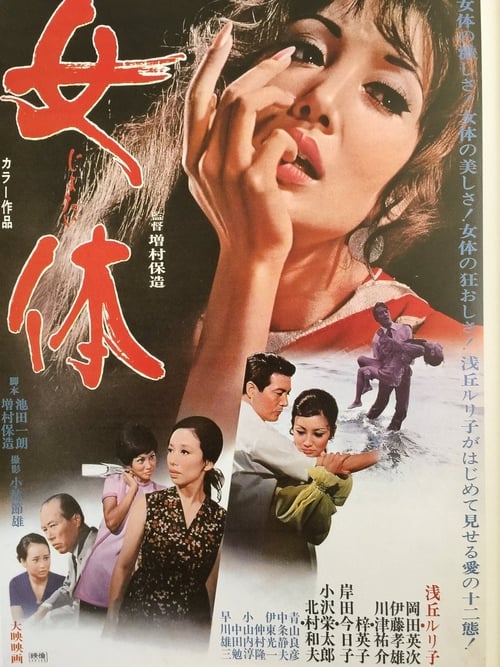
Vixen
1969
No user ratings available yet
Representation score: 4.4 out of 10
Representation Score
Good
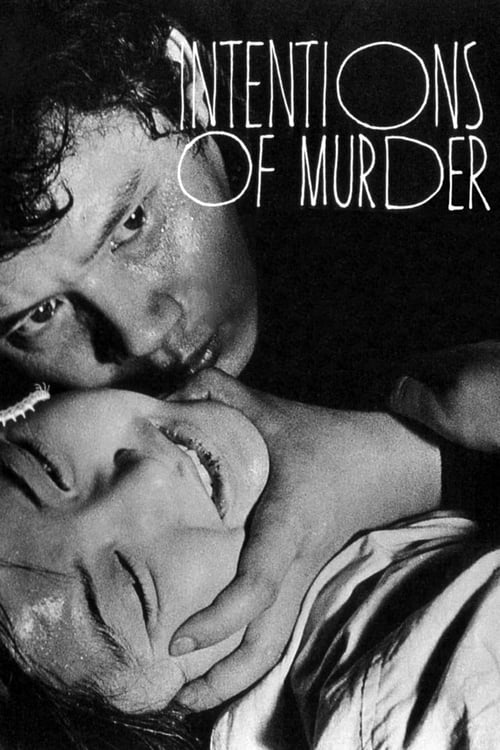
1964
Not RatedDirector
Shōhei Imamura
Runtime
150 minutes
Average Rating
No ratings yetNew Showbiz Analysis
Shōhei Imamura’s work disrupts conventional social hierarchies by emphasizing raw human nature over polished decorum. The film excels in its sophisticated deconstruction of traditional gender roles and its rejection of institutional morality. While the narrative offers a progressive critique of patriarchal structures and social constraints, it remains limited in its representation of identity. The focus on unconventional sexual behavior and a homogeneous cast prevents higher scores in LGBTQ+ and racial categories. Ultimately, the film's strength lies in its moral relativism. It treats human instinct as a valid force that exposes the hypocrisy of established cultural norms.
Category Breakdown
The film focuses on unconventional sexual behavior and primal instincts, without explicitly featuring LGBTQ+ identities or non-traditional gender expressions.
Kichiko actively uses her sexuality for survival rather than being passive. The narrative challenges the typical depiction of women as submissive or morally pure figures.
The cast is ethnically uniform, reflecting a specific Japanese context. The film stays true to its rural village setting without incorporating diverse racial backgrounds.
The film critiques traditional institutions by portraying deviant behaviors as biological necessities. It depicts village morality and social structures as artificial and hypocritical.
A character with a heart condition serves mainly as a narrative driver for seduction. Disability is not shown with independent ability to act or depth.
Present on Screen
Limited or Absent
Official Synopsis
The neglected common-law wife of a Japanese librarian is repeatedly harassed by a young man with a heart condition who seduces her with the prospect of a better life.
1969
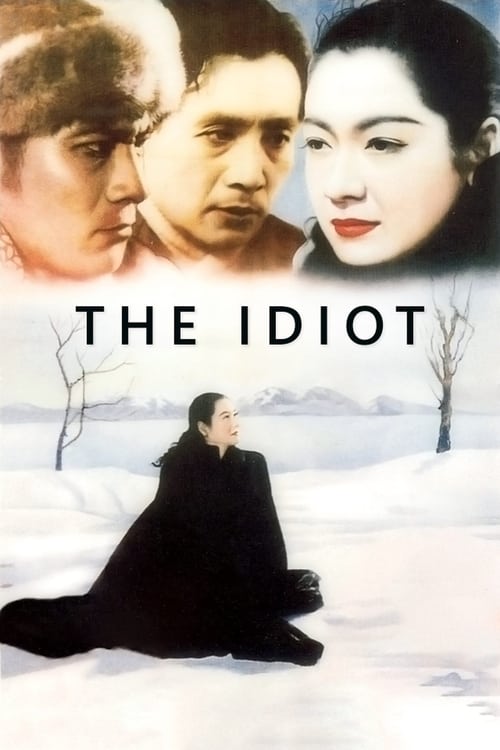
1951

1966

1978

1966

1985

1966
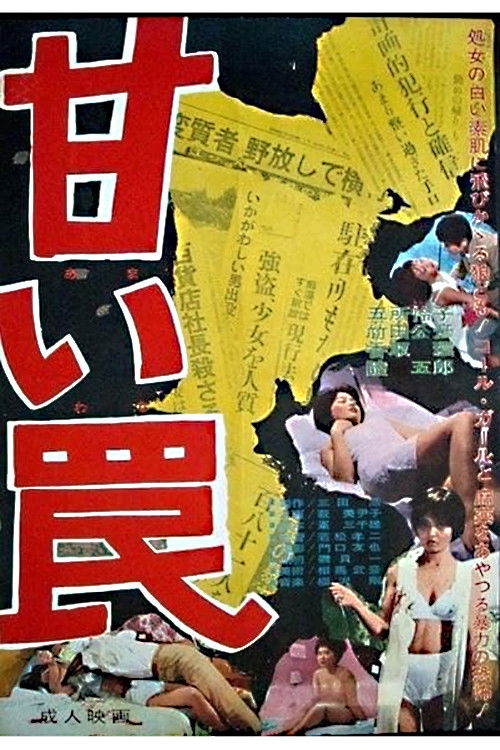
1963
No reviews yet. Be the first to share your thoughts on this movie!
Use the rating form above to leave a star rating and optional review.