Zatoichi at Large
1972
No user ratings available yet
Representation score: 5.2 out of 10
Representation Score
Limited
1965
Not RatedDirector
Kazuo Mori
Runtime
77 minutes
Average Rating
No ratings yetNew Showbiz Analysis
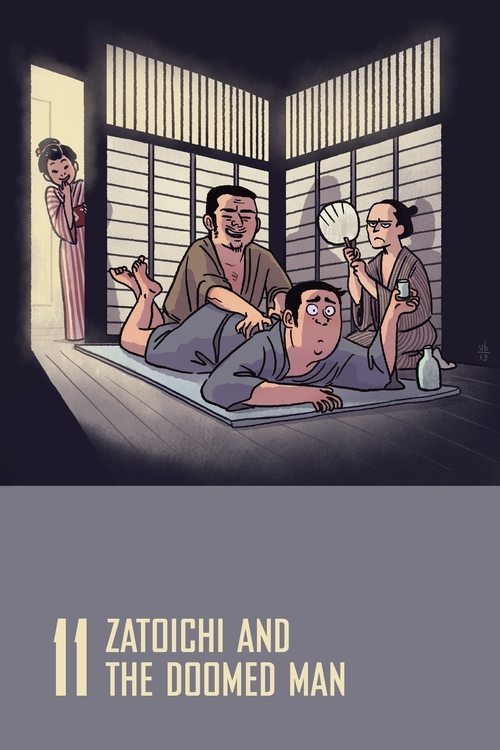
Zatoichi and the Doomed Man is a traditional genre piece that relies on historical realism and classical storytelling. It excels in its portrayal of disability-driven ability to act, presenting a protagonist whose blindness is a functional part of his identity rather than a source of pity. However, the film remains tied to the social hierarchies of its era. It lacks modern characters who reflect more than one aspect of diversity, particularly regarding gender and sexual orientation, which limits its breadth. While the film critiques institutional corruption, it stays within a conventional hero-versus-villain framework. It is a character study of an outsider navigating a rigid, often corrupt, social structure.
Category Breakdown
The film does not include any LGBTQ+ characters or explore non-straight relationships. It focuses on traditional interpersonal dynamics within the social norms of Edo-period Japan.
Female characters are mostly in supporting roles, either as domestic figures or victims. The story emphasizes male-driven action, reinforcing the patriarchal structures typical of 1960s action films.
The cast is ethnically uniform, reflecting the historical context of the Edo period. The film does not use race-bending or non-Western casting to challenge traditional stereotypes.
The story presents a nuanced look at authority by showing local power structures as corrupt. It focuses on individual moral struggles rather than broader systemic political issues.
Zatoichi’s blindness is central to his abilities and identity. The film avoids pity, instead showing his disability as a specialized way of navigating a violent world.
Present on Screen
Limited or Absent
Official Synopsis
Blind swordsman Zatoichi, jailed briefly, is implored by another prisoner to aid him in proving his innocence of a crime for which he is sentenced to death. Zatoichi is reluctant to get involved, because he knows how often such involvement has led to trouble in the past. But events conspire to thrust him repeatedly into involvement, and gradually he comes to believe in the man's innocence and determines to free him.
1972
1962
1968
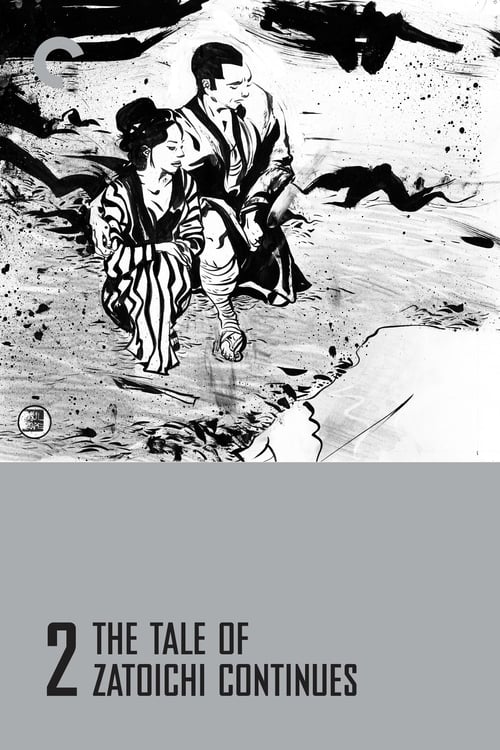
1962
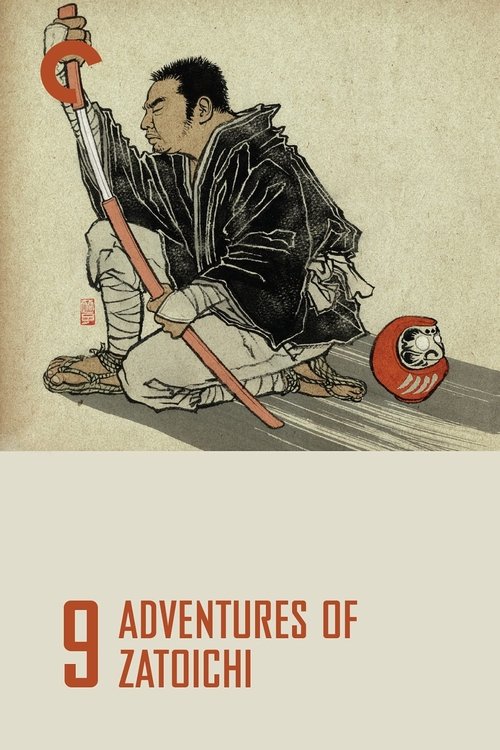
1964

1972
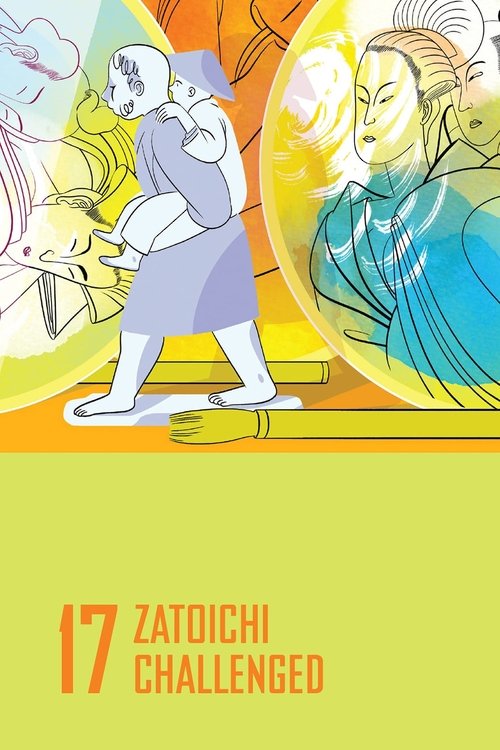
1967
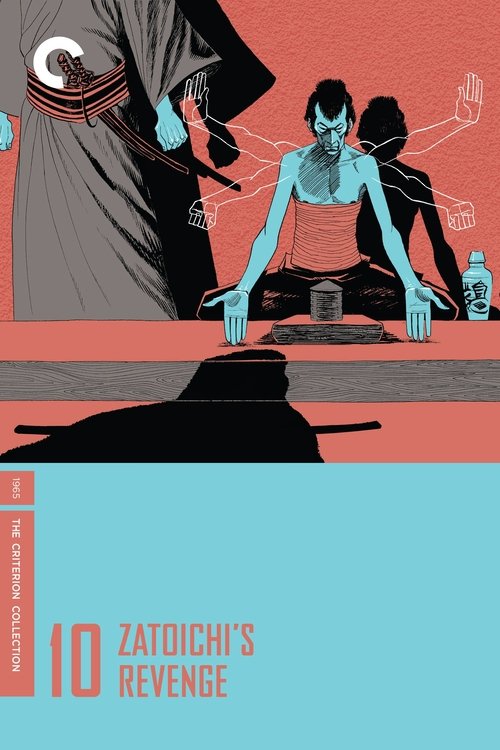
1965
No reviews yet. Be the first to share your thoughts on this movie!
Use the rating form above to leave a star rating and optional review.