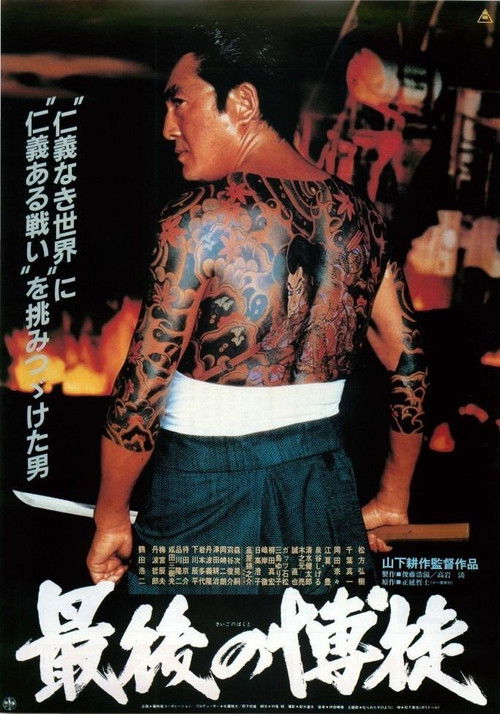
The Last True Yakuza
1985
No user ratings available yet
Representation score: 2.4 out of 10
Representation Score
Limited
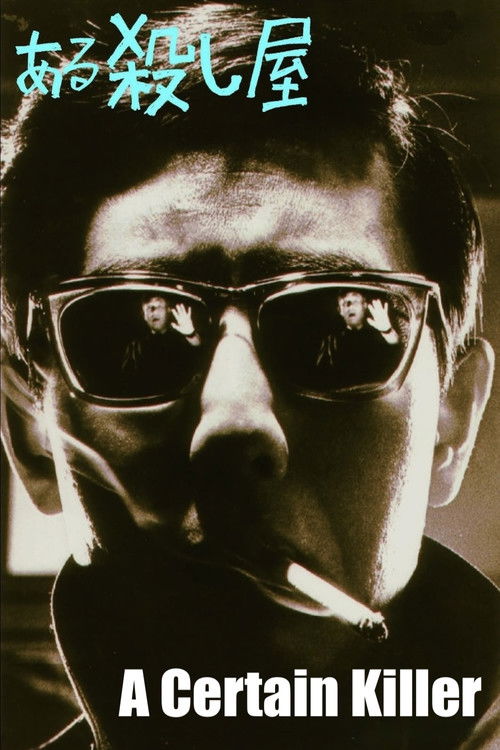
1967
Director
Kazuo Mori
Runtime
82 minutes
Average Rating
No ratings yetNew Showbiz Analysis
A Certain Killer is a conventional 1960s crime drama that focuses on the personal journey of a displaced veteran. The narrative structure emphasizes the life of a former soldier turned contract killer operating within a rigid criminal hierarchy. While the film avoids harmful stereotypes common in Western cinema of the era, it lacks the intentionality needed to challenge traditional power dynamics. It primarily serves as a character study of masculine survival and organized social structures. Ultimately, the film reflects the demographic and social realities of its specific setting without aiming for progressive representation or diverse perspectives.
Category Breakdown
The film does not include any explicit references to LGBTQ+ identities. It adheres to a traditional narrative structure that does not explore queer themes or subtext.
The story centers around a male protagonist and his interactions with Yakuza organizations. It relies on traditional masculine archetypes of violence without giving female characters significant roles in driving the story.
The cast reflects a homogeneous cultural background typical of post-war Japan. While it avoids Western-style whitewashing, it does not engage with diverse ethnic identities or perspectives that reflect multiple aspects of identity.
The film explores post-war disillusionment through a soldier's perspective. However, it operates within traditional crime clichés without offering an explicit critique of social or religious institutions.
There is no information available regarding the portrayal of physical or neurodivergent disabilities within the film's narrative.
Present on Screen
Limited or Absent
Official Synopsis
A former soldier, reduced to working at a restaurant post-war, becomes a contract killer for the yakuza gangs he's in contact with.
1985
1973
1960

1967
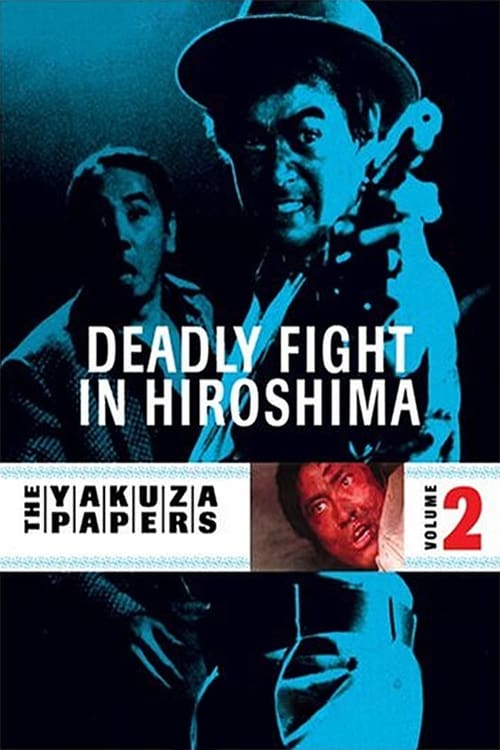
1973
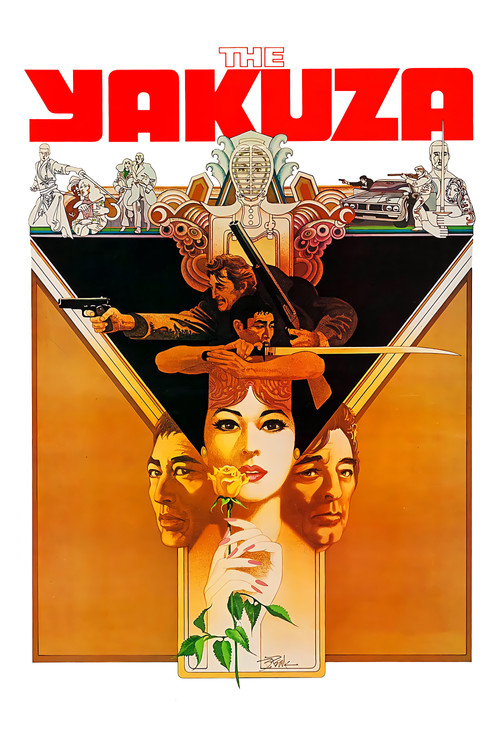
1974
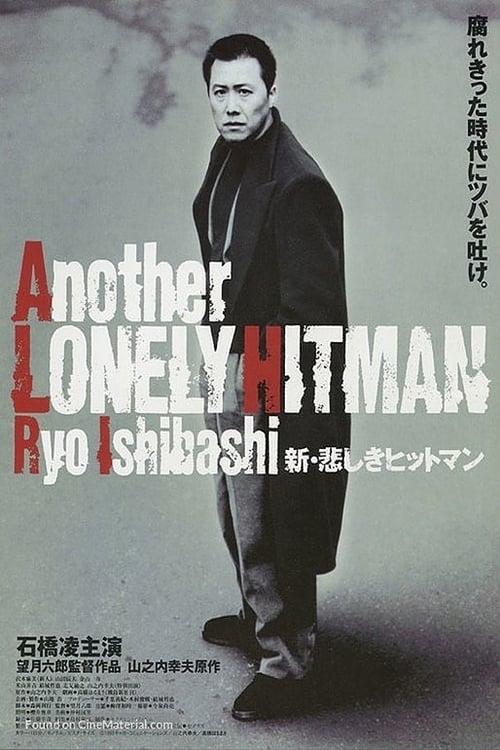
1995
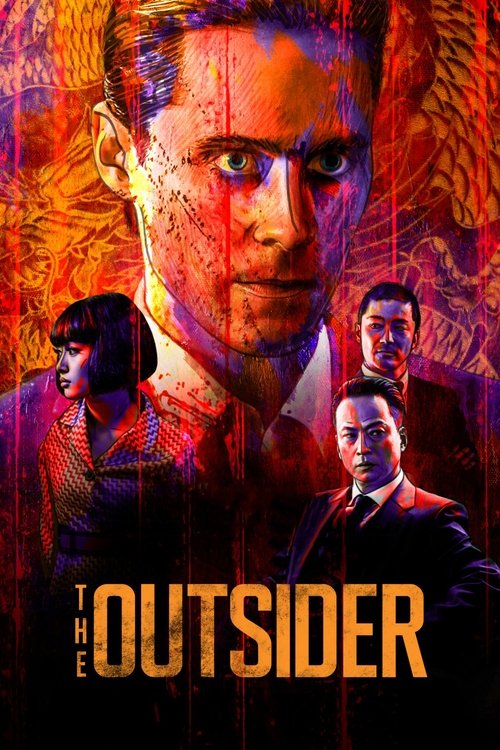
2018
No reviews yet. Be the first to share your thoughts on this movie!
Use the rating form above to leave a star rating and optional review.