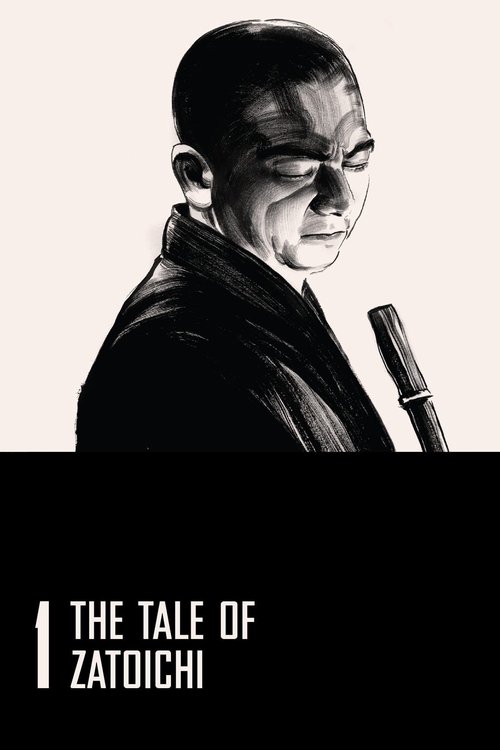
The Tale of Zatoichi
1962
No user ratings available yet
Representation score: 4.6 out of 10
Representation Score
Fair
1962
Not RatedDirector
Kazuo Mori
Runtime
72 minutes
Average Rating
No ratings yetNew Showbiz Analysis
The film is a genre-driven action drama that highlights disability as a source of strength and ability to act. By featuring a blind protagonist with exceptional skills, the narrative challenges traditional social hierarchies. However, it remains anchored in the traditional structures of the 1960s chanbara genre. While it offers a nuanced portrayal of a underrepresented individual, it lacks modern multi-layered depth. Overall, the film's diversity is uneven. It excels in depicting disability positively but falls short in offering meaningful gender or LGBTQ+ representation.
Category Breakdown
The film adheres to traditional period-drama structures and does not include any representation of LGBTQ+ identities or same-sex relationships. Instead, it focuses on conventional romantic rivalries.
Female characters play supporting roles, often serving as emotional catalysts or members of the yakuza hierarchy. Male combatants retain primary ability to act within patriarchal structures.
The cast is ethnically uniform, reflecting the historical context of Edo-period Japan. The narrative emphasizes internal Japanese class structures without addressing racial diversity.
The story centers on a protagonist who navigates the class struggle outside formal Shogunate legal structures. It highlights personal ethics over state-imposed laws.
Zatoichi’s blindness is integral to his identity and skills, rather than a hindrance. He uses his disability to his advantage, showcasing high ability to act and unique abilities.
Present on Screen
Limited or Absent
Official Synopsis
Returning to the village where a year before he had killed Hirate, a much-admired opponent, Zatoichi encounters another swordsman and former rival in love.
1962
1955
1963
1967
1970
1965
1965
1970
No reviews yet. Be the first to share your thoughts on this movie!
Use the rating form above to leave a star rating and optional review.