
Woman
1948
No user ratings available yet
Representation score: 5.3 out of 10

Representation Score
Fair
1951
Director
Kōzaburō Yoshimura
Runtime
102 minutes
Average Rating
No ratings yetNew Showbiz Analysis
Clothes of Deception is a period drama centered around female protagonists. By focusing on two sisters—one a geisha and the other a tourism board employee—the film highlights the personal stakes of post-war social changes. However, the film maintains a traditional social perspective. It lacks explicit representation of LGBTQ+ identities and does not offer systemic critiques of gender or capitalism. The cast is culturally homogeneous, reflecting the specific national context of the time. Ultimately, the film serves as an authentic window into a transitioning society. It emphasizes the tension between tradition and modernity over intentional ideological disruption or diverse identity politics.
Category Breakdown
The film does not explicitly depict LGBTQ+ identities or queer narratives. However, the geisha profession includes complex gender performances, focusing on sisterly relationships.
The story focuses on two sisters working in different professions. This female-centric perspective provides significant roles for the women, even though it operates within a traditional framework.
The film authentically portrays Japanese identity during the country's reconstruction. The cast is culturally homogeneous, without blending different racial backgrounds.
The narrative examines the tension between traditional geisha culture and modern influences. It explores cultural transition during a period of rapid modernization.
The film does not feature any characters with visible or invisible disabilities as central to their stories or plot development.
Present on Screen
Limited or Absent
Official Synopsis
The story of two sisters in post-war Japan. One is a geisha and the other works for the tourist board.
1948

1956
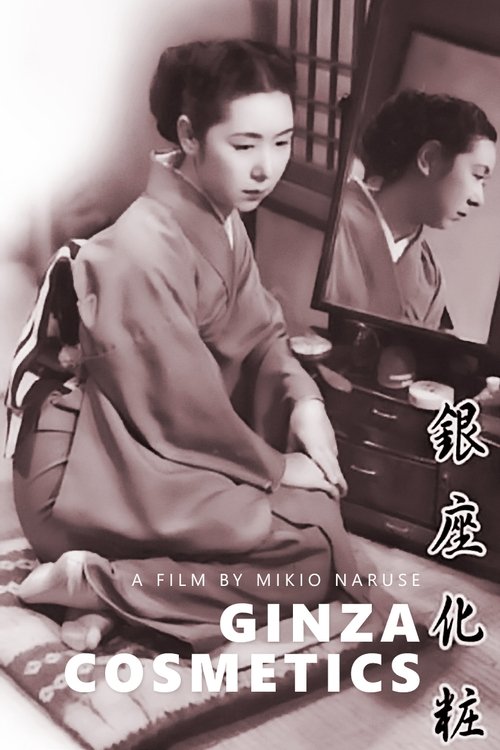
1951

1955
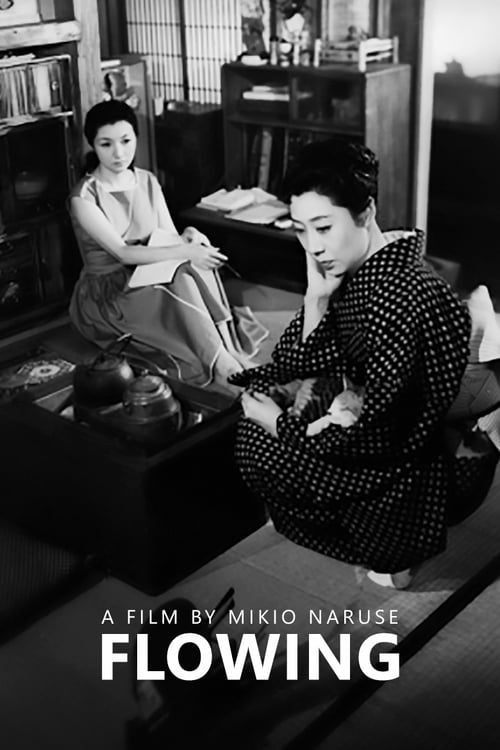
1956
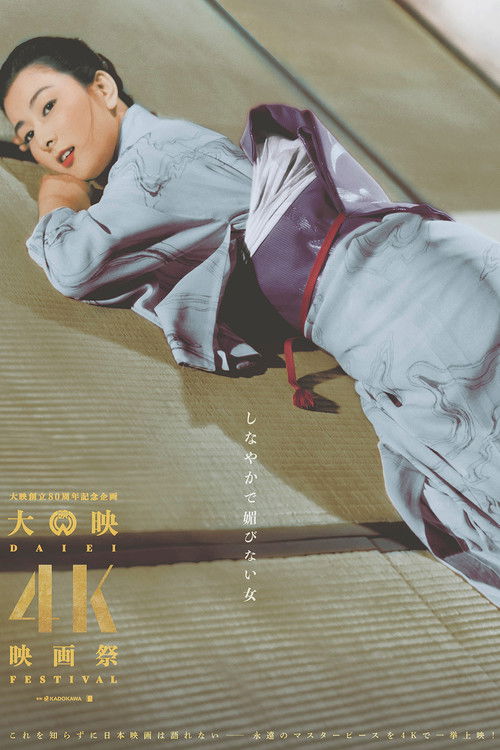
1956
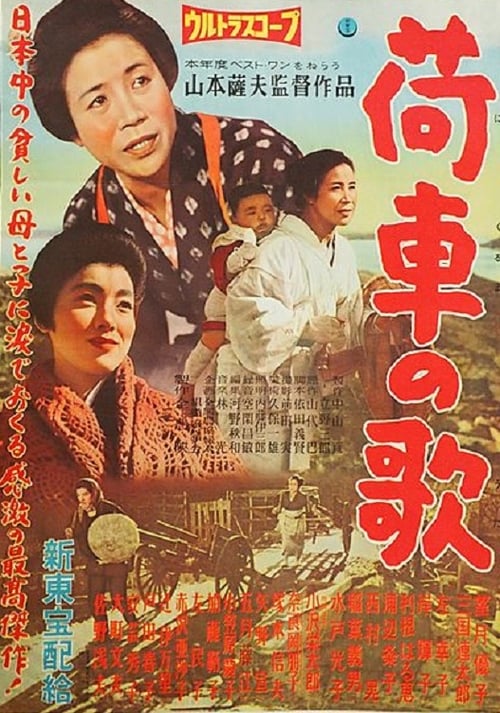
1959
1977
No reviews yet. Be the first to share your thoughts on this movie!
Use the rating form above to leave a star rating and optional review.