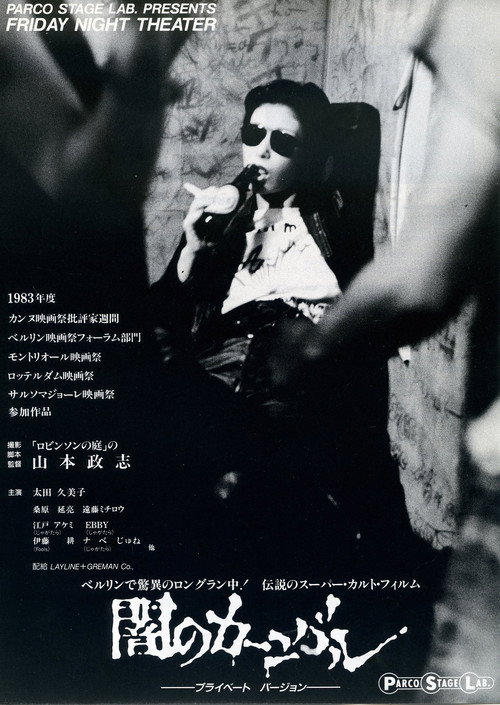
Carnival in the Night
1981
No user ratings available yet
Representation score: 5.2 out of 10

Representation Score
Fair
1983
Director
Masaru Konuma
Runtime
79 minutes
Average Rating
No ratings yetNew Showbiz Analysis
Blue Rain Osaka functions as a character study centered on female autonomy within a commercial setting. By focusing on women running a business and managing personal relationships, the film moves away from traditional patriarchal domesticity. However, the film lacks multi-layered complexity. The narrative relies on standard romantic clichés and a culturally homogeneous setting, which limits its ability to challenge broader social hierarchies or present diverse identities. Ultimately, while the film provides a baseline of gendered ability to act, it remains within a conventional dramatic structure without explicit evidence of social or identity-based subversion.
Category Breakdown
The story follows a traditional romantic framework centered on an old love interest. There are no clear representations of LGBTQ+ identities or characters.
The film highlights women's ability to drive the story, showing them managing a business and navigating personal disruptions. This focus on sisterhood and autonomy contrasts with traditional domestic roles.
Set in Osaka, the film operates within a culturally homogeneous Japanese framework. It provides a localized perspective without incorporating diverse ethnicities or multiple layers of identity.
The bar setting suggests a narrative environment focused on nightlife and individual experiences. However, it is unclear if the film challenges specific institutional or religious structures.
The available information contains no mention of characters with physical or neurodivergent disabilities.
Present on Screen
Limited or Absent
Official Synopsis
A woman who runs a bar with her older sister has her life disrupted when she has a chance meeting with an old lover.
1981

1956

1963

2006

1986

1976

1959

1988
No reviews yet. Be the first to share your thoughts on this movie!
Use the rating form above to leave a star rating and optional review.