
Tama asobi
1996
No user ratings available yet
Representation score: 3.3 out of 10
Representation Score
Fair
1956
Not RatedDirector
Masaki Kobayashi
Runtime
111 minutes
Average Rating
No ratings yetNew Showbiz Analysis
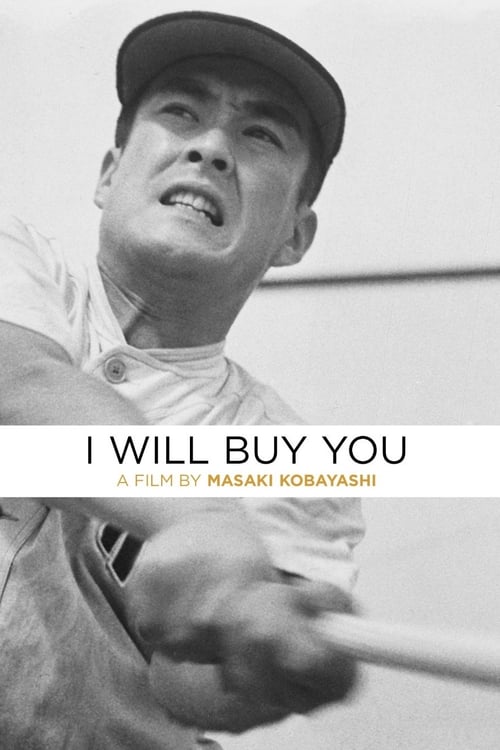
Masaki Kobayashi’s direction often questions systemic power and social hierarchies, but this particular story is firmly grounded in the traditional structures of 1950s Japan. The plot revolves around the professional dynamics between a talent scout and a baseball player. Despite the director’s known capacity for deep social critique, the narrative lacks visible diversity in terms of gender, sexuality, or ethnicity. It primarily serves as a study of professional ambition within the context of mid-century Japanese society. Overall, the film reflects the social constraints of its time, emphasizing traditional male roles and a homogeneous Japanese cast.
Category Breakdown
The story focuses on a baseball player and a talent scout, with no visible representation of LGBTQ+ identities or challenges to straight-centered assumptions.
The film centers around a talent scout and a baseball player, reinforcing traditional male-dominated roles common in 1950s Japanese cinema.
The cast is predominantly Japanese, with no indication of diverse ethnic backgrounds or color-blind casting practices.
The film examines individual ambition and institutional structures through the lens of talent scouting, reflecting the professional and social norms of mid-1950s Japan.
There are no characters with visible or invisible disabilities in the film.
Present on Screen
Limited or Absent
Official Synopsis
A talent scout moves sharply, dead-set on signing a promising baseball player to The Toyko Flowers.
1996

1963

1953
1943

1956
1951

1991

1977
No reviews yet. Be the first to share your thoughts on this movie!
Use the rating form above to leave a star rating and optional review.