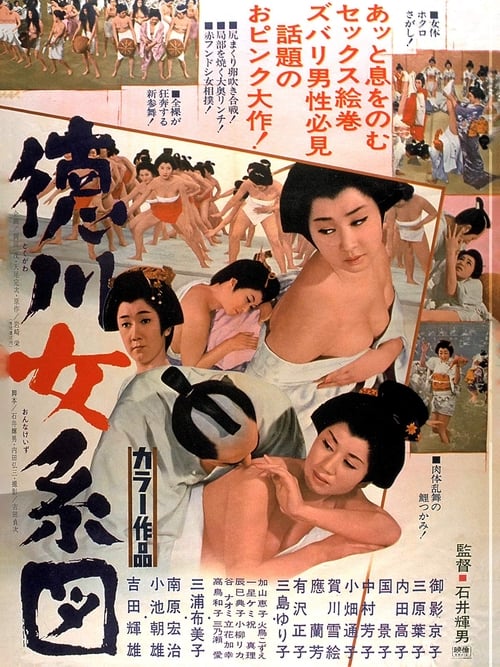
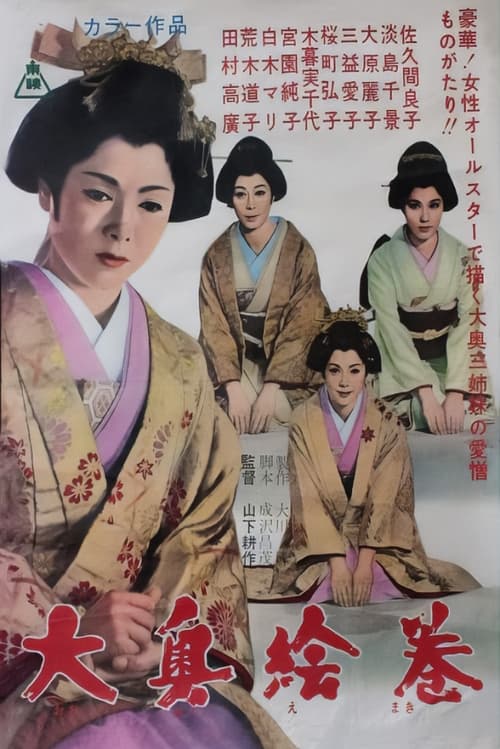
Tokugawa: Woman's Genealogy
1968
No user ratings available yet
Representation score: 4.5 out of 10
Representation Score
Fair
1968
Director
Kōsaku Yamashita
Runtime
96 minutes
Average Rating
No ratings yetNew Showbiz Analysis
Tales of the Inner Chamber offers a nuanced look at female experiences by centering its drama on the interpersonal conflicts of three sisters. By focusing on the internal lives of women within the Edo Castle, the film provides a departure from standard male-centric historical narratives. However, the film remains largely traditional in its execution. It adheres to the historical homogeneity of the era and lacks explicit evidence of LGBTQ+ representation or subversive critiques of the patriarchal institutions it depicts. Ultimately, the film succeeds as a character study of women navigating a restrictive environment, even if it does not actively seek to dismantle the social hierarchies of its setting.
Category Breakdown
The historical setting of the Ooku potentially allowed for non-straight social structures, but the film does not include explicit evidence of LGBTQ+ characters or narratives that question the assumption that everyone is straight.
The story focuses on the emotional complexity and significant roles of three sisters. This shifts the focus away from male-driven historical epics towards a perspective centered on women within a strict hierarchy.
Set in Edo-era Japan, the film maintains ethnic homogeneity. It stays true to the historical and cultural context of the period without incorporating actors of different backgrounds.
The narrative operates within traditional Japanese institutional structures like the Shogunate. It functions primarily as a character study rather than a critique of these established institutions.
There is no documented evidence regarding the portrayal of physical or neurodivergent disabilities in this work.
Present on Screen
Limited or Absent
Official Synopsis
Love-hate drama of three beautiful sisters in Ooku in Edo Castle.
1968

1952
1962

1967
2003
1972
2010
1951
No reviews yet. Be the first to share your thoughts on this movie!
Use the rating form above to leave a star rating and optional review.