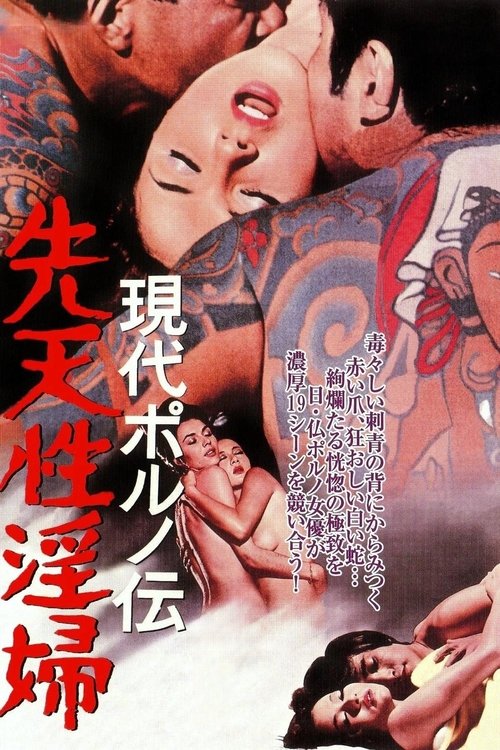
The Insatiable
1971
No user ratings available yet
Representation score: 5.0 out of 10

Representation Score
Limited
1985
Director
Junichi Suzuki
Runtime
67 minutes
Average Rating
No ratings yetNew Showbiz Analysis
On the Beach (1985) functions as a localized psychological drama that explores the tension between class status and personal desires. It critiques traditional social hierarchies and the limitations placed on women within high-society structures. However, the film lacks multi-layered complexity. The narrative is driven by classical clichés of tragedy and gendered vulnerability, particularly through its focus on sexual violence and predatory male behavior. Ultimately, the work remains within a narrow social framework. It lacks proactive representation of underrepresented identities, focusing instead on the internal psychological struggles of a homogeneous group.
Category Breakdown
The film focuses solely on heterosexual and cisgender relationships, with no representation of LGBTQ+ identities or same-sex intimacy.
The movie highlights the psychological burden of patriarchal expectations on women. It critiques societal structures through Sumiko's failed marriage but relies heavily on the 'victim' cliché, depicting female characters primarily through their vulnerability.
Set in a Shonan village, the film portrays a homogeneous Japanese society with no multicultural casting or diverse ethnic representation to challenge the status quo.
The narrative exposes the internal decay of the idealized upper-class Shikishima lineage by highlighting individual psychological trauma. It critiques traditional social hierarchies through the lens of personal struggle.
The film does not portray any visible or invisible disabilities. Characters face psychological and situational conflicts rather than physical or neurodivergent impairments.
Present on Screen
Limited or Absent
Official Synopsis
In a summer in Shonan village, Sumiko is the daughter of an important upper-class Shikishima family, she loves to paint pictures, is going through a cooling-off of an arranged marriage that did not work out. However, she feels attraction for Nishina a rough and obscene man ... On the other hand, the younger sister, Naomi Sumiko is envious of her sister for her beauty. Naomi feels ugly since all men seem to like Sumiko. Both sisters then become embroiled in a major problem in discovering the real intentions of Nishina, a man who hides behind a mask to rape women.
1971
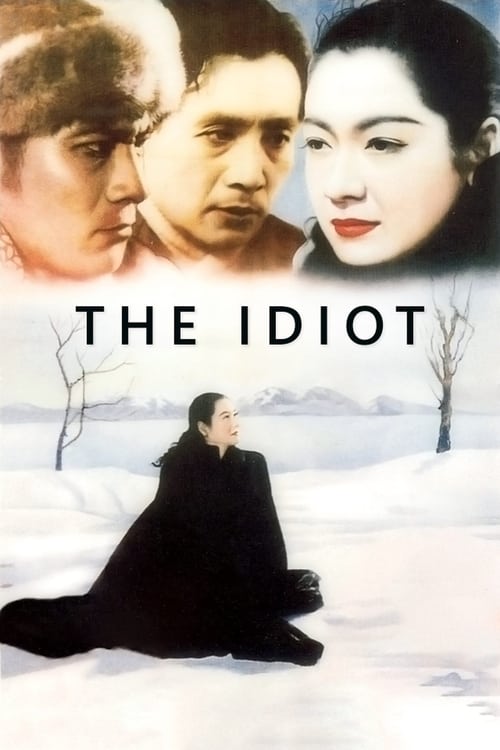
1951

1977
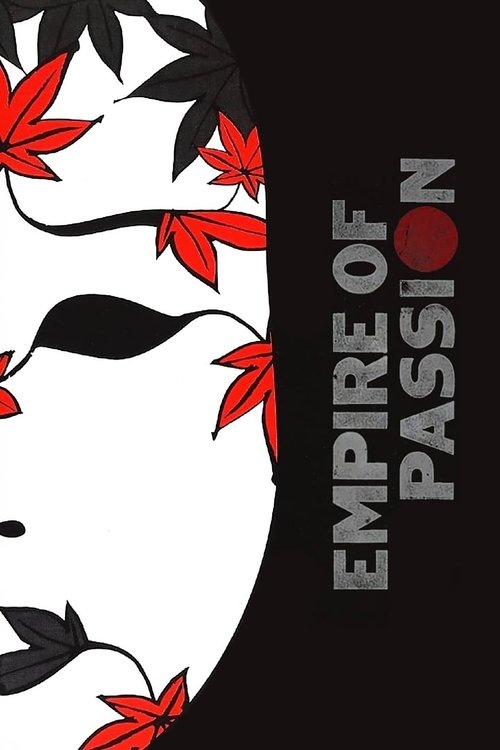
1978
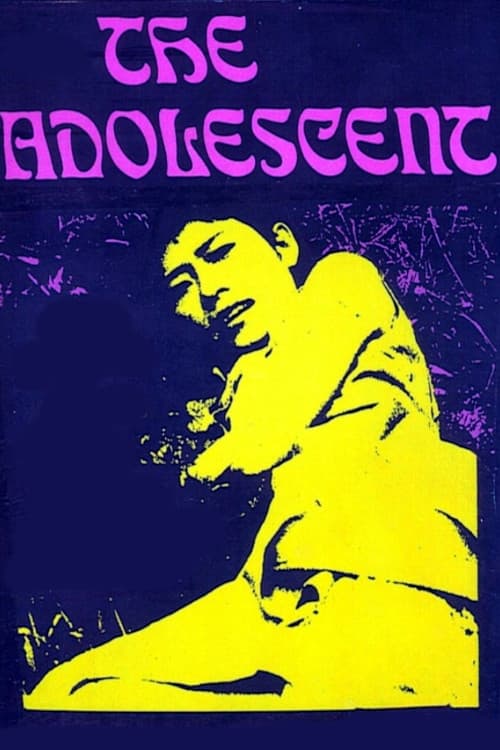
1965

1976

1966
1965
No reviews yet. Be the first to share your thoughts on this movie!
Use the rating form above to leave a star rating and optional review.