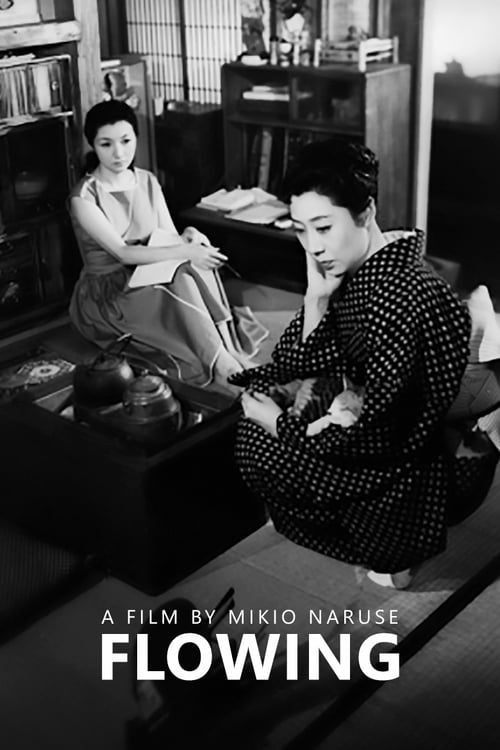
Flowing
1956
No user ratings available yet
Representation score: 3.3 out of 10
Representation Score
Fair
1987
Director
Jun Ichikawa
Runtime
95 minutes
Average Rating
No ratings yetNew Showbiz Analysis
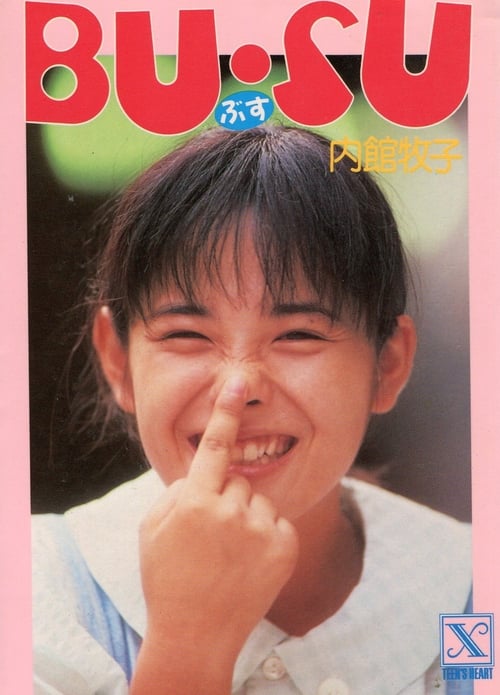
BU・SU is a culturally specific period drama centered around traditional Japanese arts. It provides a non-Western perspective by focusing on the discipline and heritage of the geisha profession. However, the film operates within a relatively homogeneous framework. While it highlights women's ability to drive the story through Mugiko's journey, it lacks evidence of systemic disruption of social hierarchies or the inclusion of diverse identities. Ultimately, the work functions as a study of tradition and professional female spaces rather than a progressive subversion of established norms.
Category Breakdown
The film does not include any visible representations of LGBTQ+ identities or same-sex relationships. There are no characters whose gender does not match their assigned-at-birth status.
Mugiko is a central female character who navigates a professional environment dominated by women. The story explores her ability to take control and assert her rights to a specialized craft.
The film presents a non-Western perspective by focusing on traditional Japanese music and dance. It offers a culturally specific experience that moves away from Anglo-centric storytelling.
The movie shows the contrast between traditional village life and modern urban Tokyo. It emphasizes the preservation of classical arts without critiquing social hierarchies.
The film does not mention any characters dealing with physical disabilities, neurodivergent conditions, or mental health issues.
Present on Screen
Limited or Absent
Official Synopsis
Mugiko, an 18-year-old attempts to escape her unhappiness with village life by going to Tokyo to live and work in the geisha house run by her aunt. The daughter of a once great geisha, Mugiko is entitled by blood to train in the geishas' ancient art of classical Japanese song and dance.
1956
1952

1961
1936
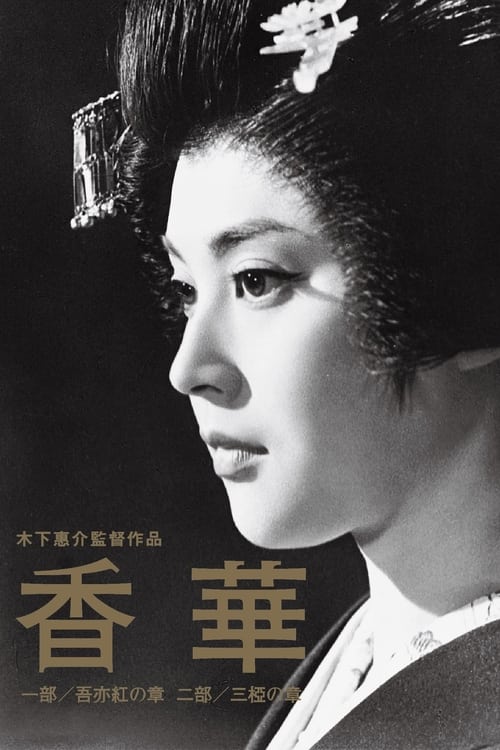
1964
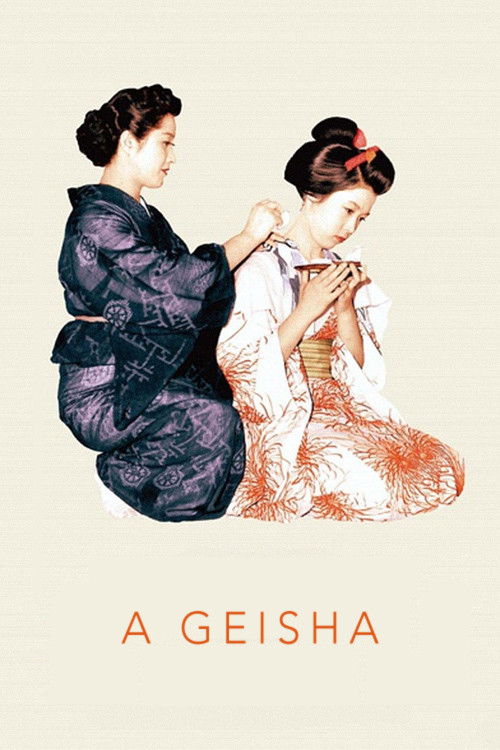
1953
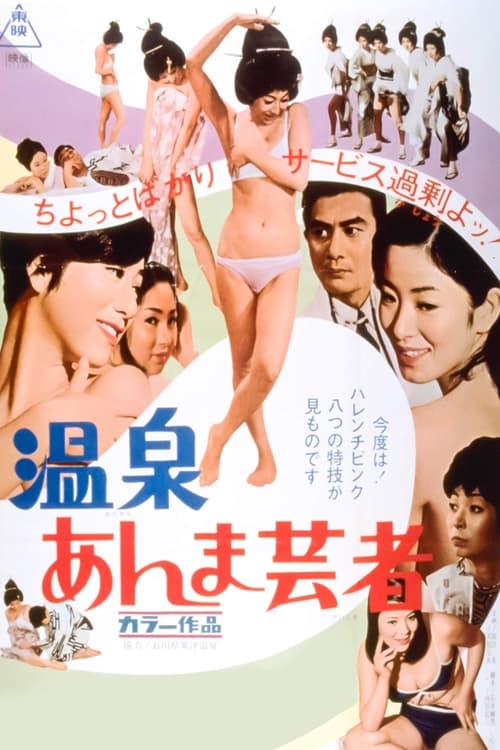
1968
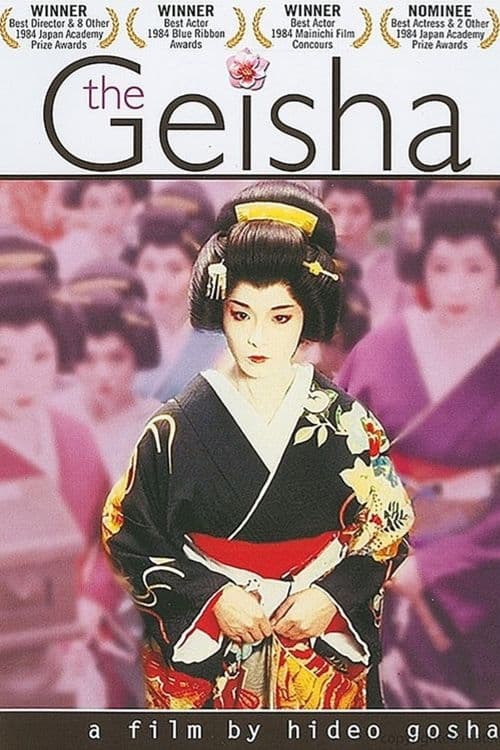
1983
No reviews yet. Be the first to share your thoughts on this movie!
Use the rating form above to leave a star rating and optional review.