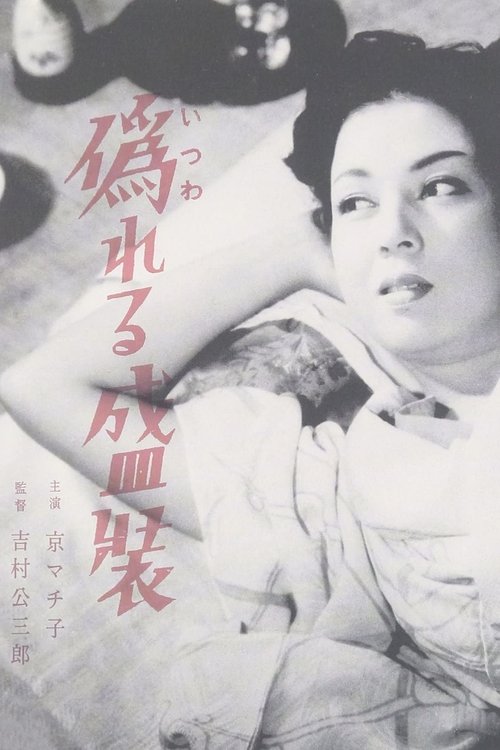
Clothes of Deception
1951
No user ratings available yet
Diversity score: 4.2 out of 10
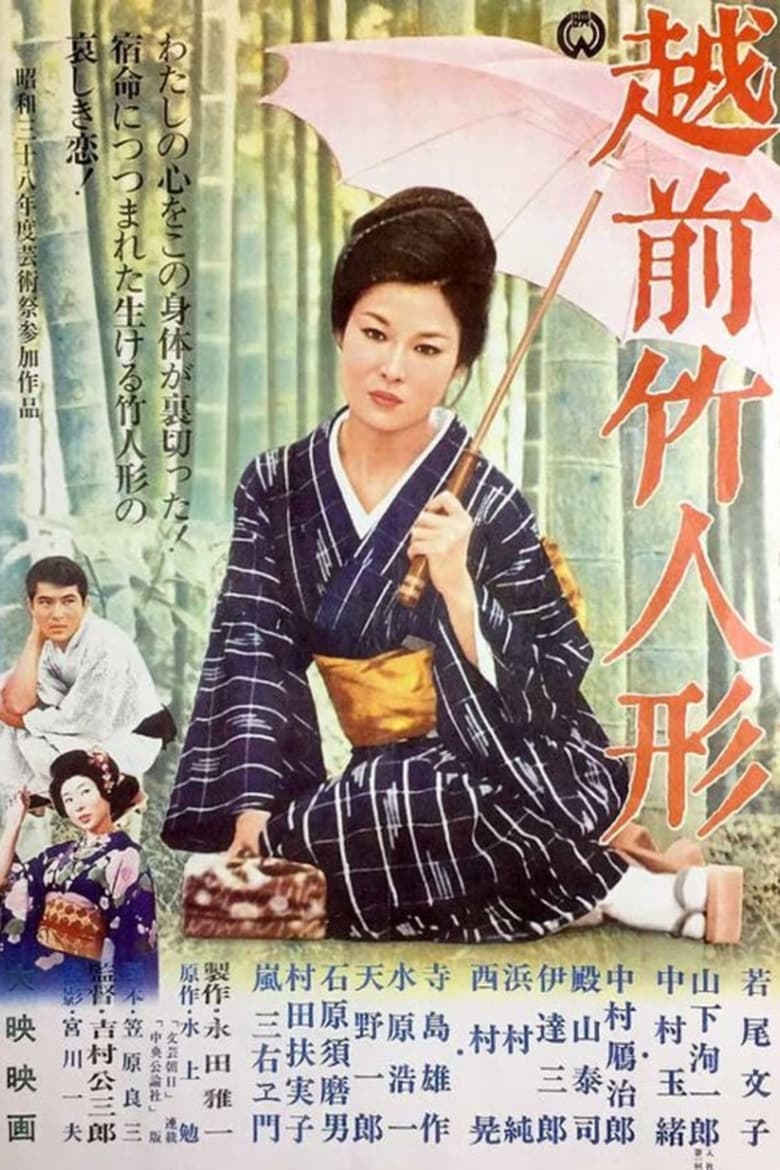
1963
Director
Kōzaburō Yoshimura
Runtime
103 minutes
Average Rating
No ratings yetSynopsis
Kisuke, a young bamboo worker marries Tomoe, a courtesan who was once involved with Kisuke's late father.
Overall Score
Fair
Category Breakdown
LGBTQ+ Representation
The film focuses on a traditional marriage structure. There is no indication of LGBTQ+ characters or narratives that critique heteronormativity.
Gender Representation
Tomoe, a former courtesan, serves as a primary protagonist. Her transition into marriage suggests a nuanced exploration of female identity and social reintegration.
Racial & Ethnic Diversity
The production features a homogeneous Japanese cast. It provides deep cultural immersion without attempting to disrupt norms through multi-ethnic casting.
Religious & Cultural Diversity
The story explores tensions between the courtesan and artisan classes. It prioritizes human connection over rigid adherence to traditional social hierarchies.
Disability Representation
There is no evidence of characters with visible or invisible disabilities within the narrative.
Strengths
Areas for Improvement
AI Analysis
Kōzaburō Yoshimura’s drama is a character-driven period piece that examines the friction between social class and personal history. The film finds its strength in the complex social mobility of its female lead, moving beyond simple domestic tropes to explore how an individual navigates a changing social landscape. While the film lacks demographic variety or LGBTQ+ themes, it offers a focused study of Japanese craftsmanship and the deconstruction of traditional class boundaries. The narrative centers on the intersection of labor and interpersonal history rather than broad, idealized archetypes. Ultimately, the film functions as a traditional drama that gains depth through its exploration of subjective morality and the shifting roles of individuals within a structured society.
1951
1956
1956
1957
1958
1959
1938
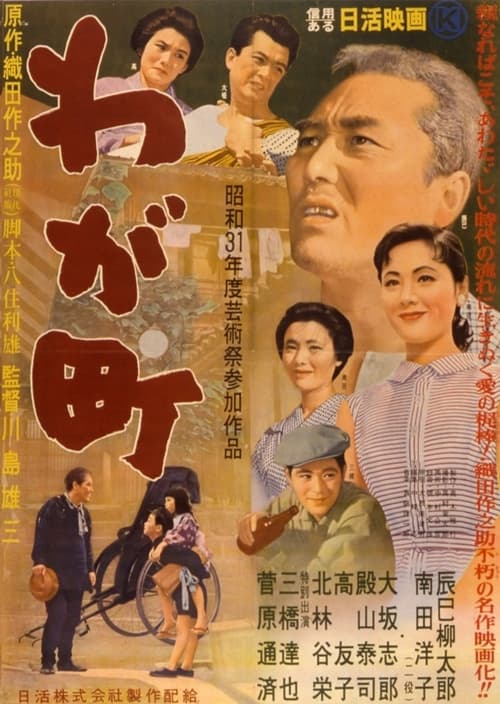
1956
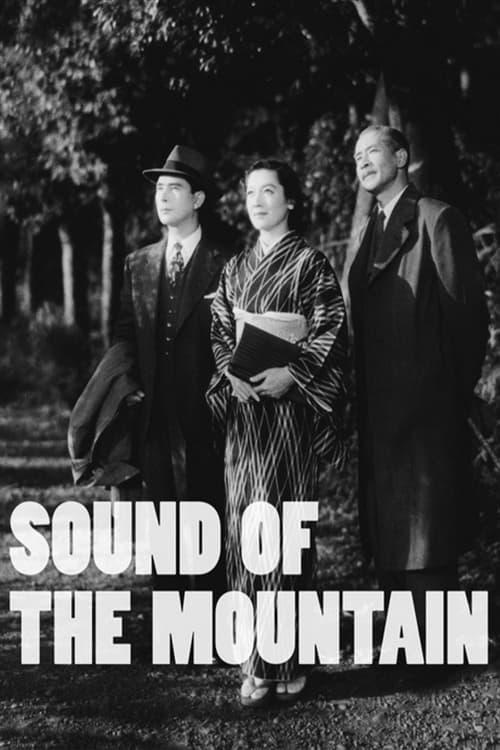
1954
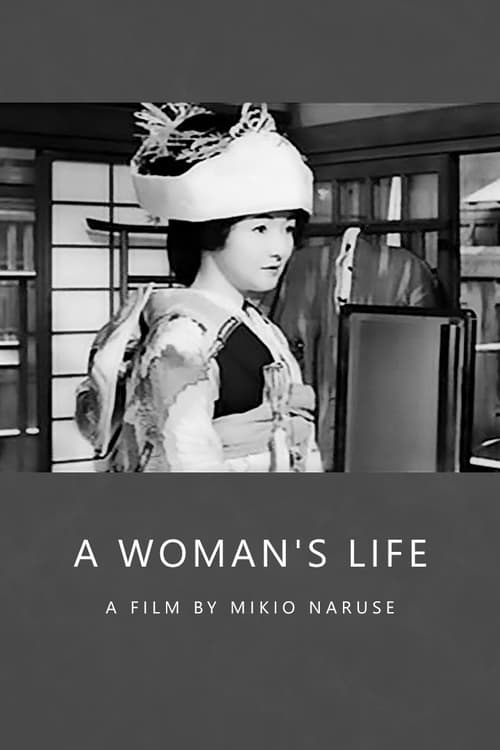
1963
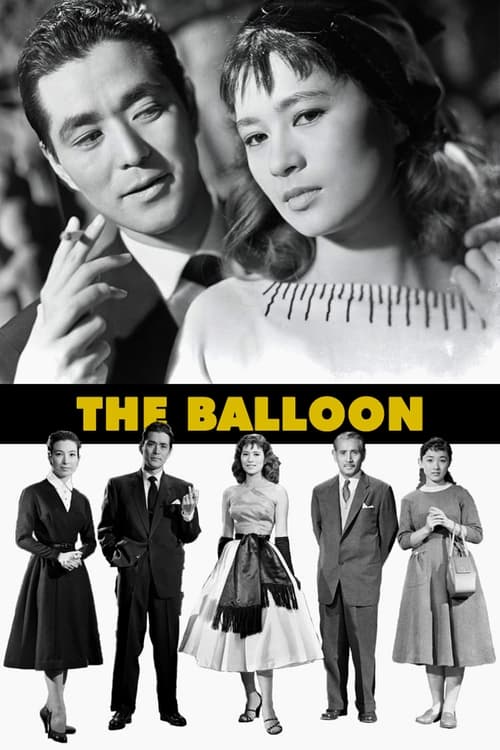
1956
1935
No reviews yet. Be the first to share your thoughts on this movie!
Use the rating form above to leave a star rating and optional review.