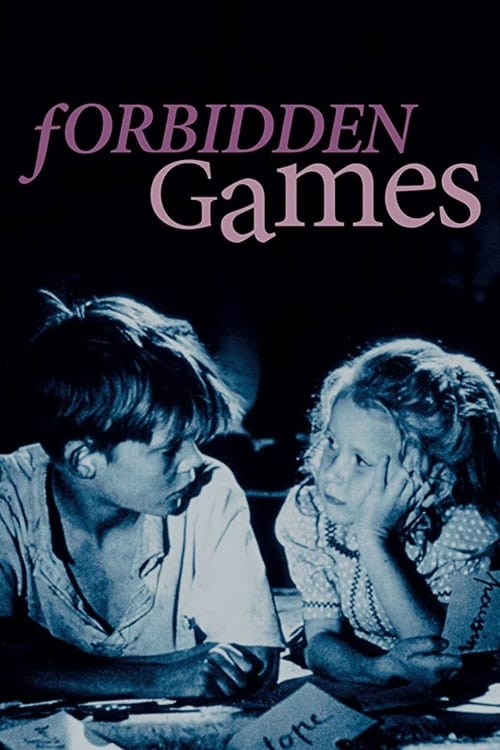
Forbidden Games
1952
No user ratings available yet
Representation score: 4.2 out of 10
Representation Score
Limited
1953
ApprovedDirector
Gregg Tallas
Runtime
110 minutes
Average Rating
No ratings yetNew Showbiz Analysis
The film primarily critiques systemic scarcity and the failure of institutions to protect the vulnerable. By focusing on a group of children who redistribute resources through theft, the narrative challenges wartime hierarchies and state-sanctioned laws. While the film offers a nuanced look at communal survival and the subversion of military authority, it remains limited in its broad representation. The emphasis on male-driven survivalist rebellion and the absence of explicit identity-based representation keep the diversity profile moderate. Ultimately, the work excels in its social commentary on the erosion of traditional structures, even as it adheres to the gendered archetypes common to its era.
Category Breakdown
The film does not include any LGBTQ+ characters or discuss non-cisgender identities. There is no exploration of stories related to straight relationships.
The main character and the boys in the battalion have the most influence. An orphaned sister is present, but she represents vulnerability rather than active resistance.
The setting suggests a non-Anglo-Saxon environment, but specific ethnic makeups are not detailed. A scene with an American aviator highlights cross-cultural interactions during the conflict.
The story challenges authority by presenting theft as a heroic act for community survival. It shows children as independent agents navigating complex moral situations during wartime.
The film does not depict any physical or neurodivergent disabilities.
Present on Screen
Limited or Absent
Official Synopsis
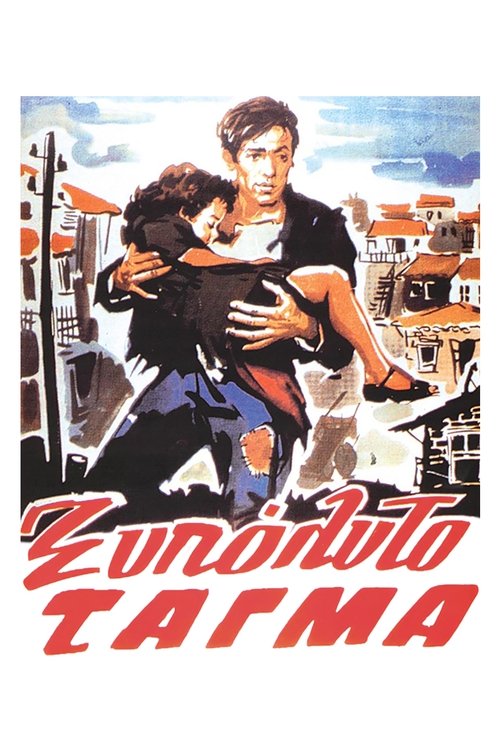
The story of a besieged country in wartime and the effect of such on the children. Told in flashback by a young man after the war, he tells how he and his orphaned sister can barely subsist and he has become a petty thief. He comes across a group of boys, the "Barefoot Batallion", who steal food from the Germans and distribute it to the needy and destitute of the city. The boys take pity on the brother and sister and let the two join them. In addition to their work of stealing food and provisions, they also hide and eventually smuggle an American aviator out of the country
1952
1962

1969
1946

2020

1961

1963
1955
No reviews yet. Be the first to share your thoughts on this movie!
Use the rating form above to leave a star rating and optional review.