The Ascent
1977
No user ratings available yet
Representation score: 3.7 out of 10
Representation Score
Fair
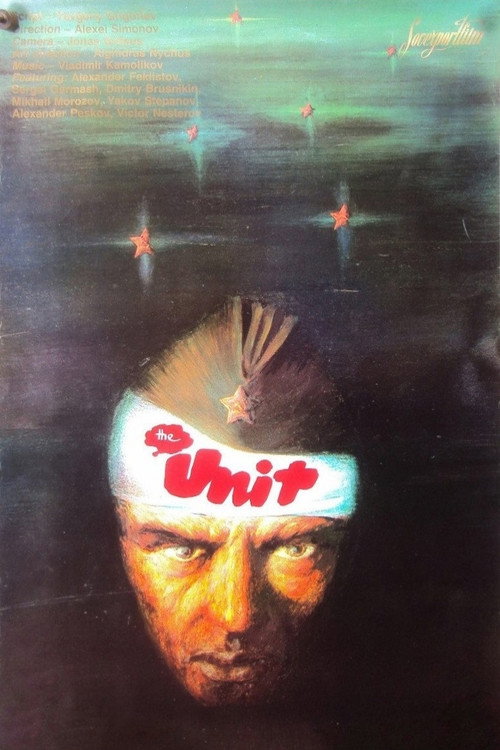
1984
Director
Aleksei Simonov
Runtime
97 minutes
Average Rating
No ratings yetNew Showbiz Analysis
The Squad is a traditional historical war drama that prioritizes communal resilience over individual identity. Its narrative structure is built around the necessity of survival within a military unit during the 1941 invasion of Lithuania. While the film offers a platform for depicting multi-ethnic Soviet identity through its collective focus, it does not actively work to disrupt established social or gender hierarchies. The representation remains rooted in the state-sanctioned, collectivist morality of the 1980s Soviet era. Ultimately, the film functions as a study of group endurance against systemic aggression rather than a vehicle for contemporary multi-layered frameworks.
Category Breakdown
The film does not include any LGBTQ+ characters or stories that challenge the assumption that everyone is straight or cisgender. It follows the traditional social structures of mid-20th-century military settings.
The story focuses on seven Soviet soldiers, likely emphasizing traditional masculine roles of combat and survival. There is little indication of challenging conventional gender hierarchies.
While the Soviet identity includes multiple ethnicities, the film highlights the shared struggle of the Red Army. It avoids total homogeneity but lacks diverse, actively leading representation.
The film criticizes imperialist expansionism by framing the struggle against German forces. It emphasizes collectivist ideology over individualist, capitalist-aligned social structures.
Physical injuries serve as a plot device for tension or sacrifice rather than providing nuanced character development. There is no evidence of neurodivergent representation.
Present on Screen
Limited or Absent
Official Synopsis
Lithuania, 1941. German tanks and motorized columns broke into the border military town. Seven Soviet soldiers were cut off from the garrison. Without food and weapons, they went through the occupied territory to the location of the Red Army units.
1977
1962
1976
1988
1981
2015
1985
1956
No reviews yet. Be the first to share your thoughts on this movie!
Use the rating form above to leave a star rating and optional review.