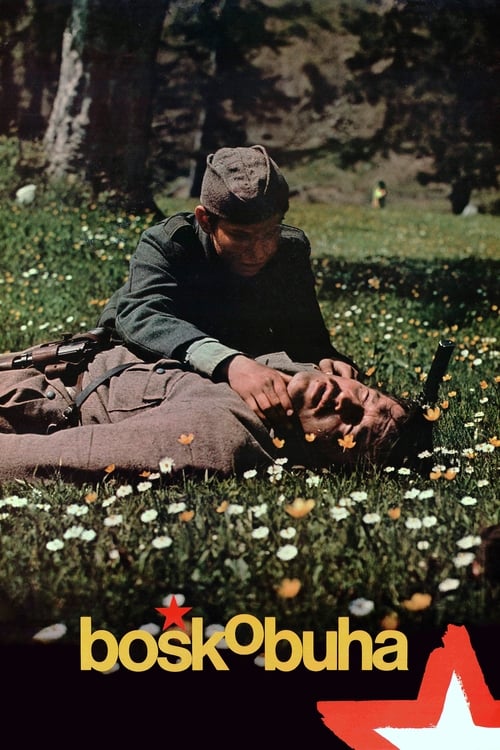
Boshko Buha
1978
No user ratings available yet
Representation score: 4.6 out of 10
Representation Score
Limited
1976
Director
Branko Bauer
Runtime
126 minutes
Average Rating
No ratings yetNew Showbiz Analysis
The film is a historical drama focusing on wartime resistance and the loss of innocence. It disrupts the cliché of helpless civilians by giving children strategic roles in resistance. While the film lacks modern multi-layered identity politics, it offers a strong critique of institutionalized violence and shifts power to local, collective resistance. However, it remains limited by a traditional masculine framework and a lack of diverse identity representation beyond the central ethnic conflict.
Category Breakdown
The film does not include any characters or narratives related to LGBTQ+ identities.
The story centers on male protagonists and follows a traditional masculine framework focused on warfare and social roles typical of the time period.
Set in the multi-ethnic Vojvodina region, the film highlights the resilience of local identity. It uses the conflict with German occupiers to challenge the dominance of ethnic hegemony.
The film critiques occupying institutions by portraying the Gestapo as a corrupt entity. It emphasizes collective resistance and skepticism towards centralized, state-sanctioned power.
There is no mention of characters with visible or invisible disabilities. The narrative does not address disability representation.
Present on Screen
Limited or Absent
Official Synopsis
War arrives to a small secluded village in Vojvodina. The Germans take a group of hostages through the village and on their way molest a small boy. As revenge, the boy sets the German corn on fire. An intelligent and shrewd Gestapo officer Šicer arrives to investigate. He does not even suspect that he is up against a group of small boys, led by Milan and Vaso, and orders that all men from the village be taken to custody. He announces that one man will be shot each day unless the real culprit steps forward. Children contact the partisans.
1978
1962
1948
1977

1980
1964
2013
1959
No reviews yet. Be the first to share your thoughts on this movie!
Use the rating form above to leave a star rating and optional review.