
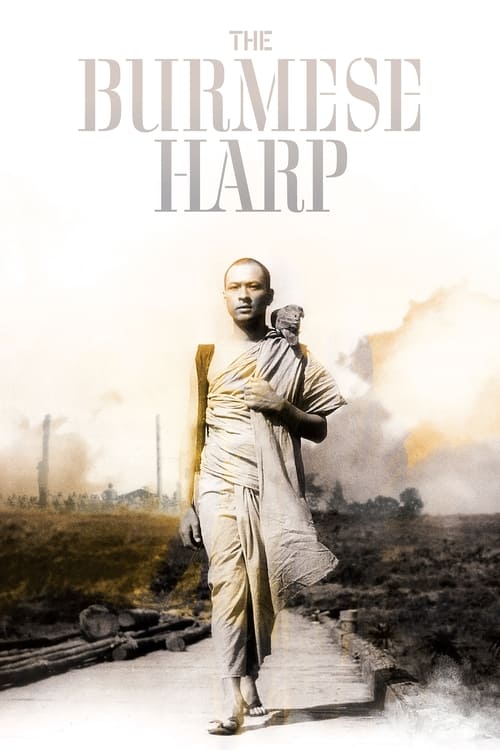
The Burmese Harp
1985
No user ratings available yet
Representation score: 2.7 out of 10
Representation Score
Limited
1956
Not RatedDirector
Kon Ichikawa
Runtime
117 minutes
Average Rating
No ratings yetNew Showbiz Analysis
The Burmese Harp explores the spiritual dislocation caused by war, emphasizing the human cost of conflict in Southeast Asia. It excels by dismantling imperial perspectives and focusing on the individual's struggle during occupation. However, the film's diversity is limited. Its masculine focus and lack of women's ability to drive the story reduce its inclusivity. Additionally, there is no representation of LGBTQ+ identities or themes. Ultimately, the film's strength lies in its cultural complexity. By using Buddhist themes to critique militaristic structures, it transcends typical war narratives to highlight shared human suffering.
Category Breakdown
The film does not include any LGBTQ+ identities or themes related to non-straight relationships. The story revolves around a single male character’s spiritual journey.
The narrative centers on a masculine perspective focused on soldierly camaraderie. Women play minor roles, lacking significant influence over the plot.
The film provides a detailed look at the interaction between Japanese forces and the Burmese population, highlighting the impact of war on Southeast Asia.
Buddhist practices are used to explore moral redemption and spiritual questioning. The film criticizes military authority by emphasizing personal conscience over state violence.
None of the characters have physical or neurological disabilities. The protagonist faces psychological trauma, but this is not framed through disability representation.
Present on Screen
Limited or Absent
Official Synopsis
In Burma during the closing days of WWII, a Japanese soldier separated from his unit disguises himself as a Buddhist monk to escape imprisonment as a POW.
1985
1959

1953

1945
1962

1972

1950

1965
No reviews yet. Be the first to share your thoughts on this movie!
Use the rating form above to leave a star rating and optional review.