
The Dangerous Journey
1963
No user ratings available yet
Representation score: 7.0 out of 10
Representation Score
Limited
1946
K-16Director
Aleksandr Ivanov
Runtime
89 minutes
Average Rating
No ratings yetNew Showbiz Analysis
The Road Home is a period-specific war drama centered on the tension between an individual and an occupying state. It effectively portrays resistance against systemic oppression during the Nazi occupation of Latvia. However, the film relies on conventional character archetypes and traditional familial bonds. The narrative lacks complexity in exploring multiple aspects of identity, focusing heavily on a male-driven struggle for survival. While the historical context provides a lens for discussing institutional corruption, the representation remains narrow and lacks diverse identity explorations.
Category Breakdown
The film emphasizes traditional family structures and does not include characters with non-straight identities or stories that question the assumption that everyone is straight.
The story centers around a male protagonist's role in driving the plot. Female characters play important emotional roles but are often portrayed as victims of systemic violence.
Set in Latvia, the film showcases a local ethnic struggle against Nazi occupation. The narrative highlights a non-German population fighting back against a dominant power.
The film explores themes of systemic oppression and institutional corruption. It frames the conflict through resistance against an external, coercive state apparatus.
The narrative does not provide any information about the portrayal of physical or neurodivergent disabilities.
Present on Screen
Limited or Absent
Official Synopsis
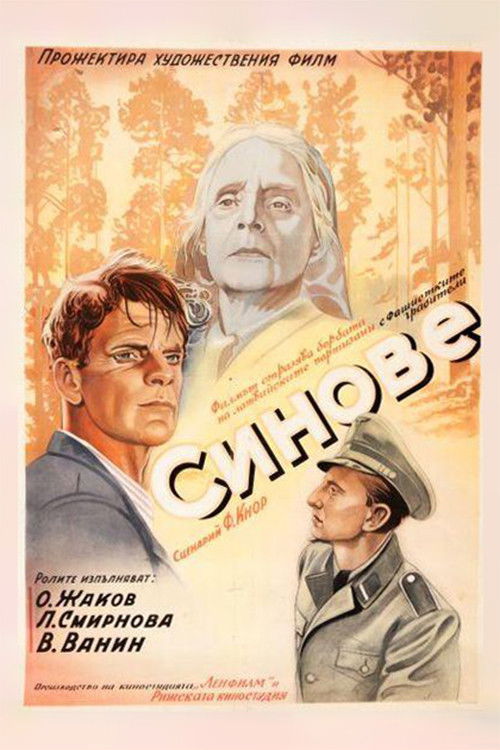
In one of the regions of Latvia occupied by the Nazis, the Germans arrest a peasant boy named Janis. His first escape ends in another arrest. This time, he is detained by his younger brother, who has become a policeman. After his next escape, his wife Ilga and daughter are sent to a concentration camp. Now Janis is ready to do anything to save them.
1963

1945

1965

1977
1955

1987
1945

2015
No reviews yet. Be the first to share your thoughts on this movie!
Use the rating form above to leave a star rating and optional review.