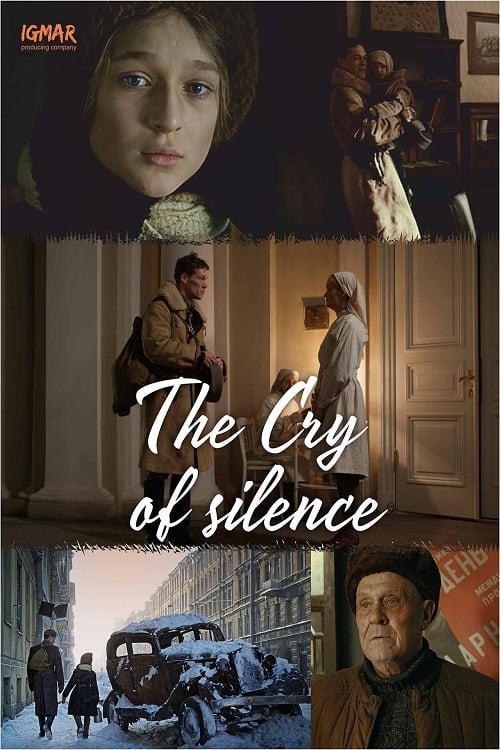
The Cry of Silence
2019
No user ratings available yet
Representation score: 3.5 out of 10
Representation Score
Limited
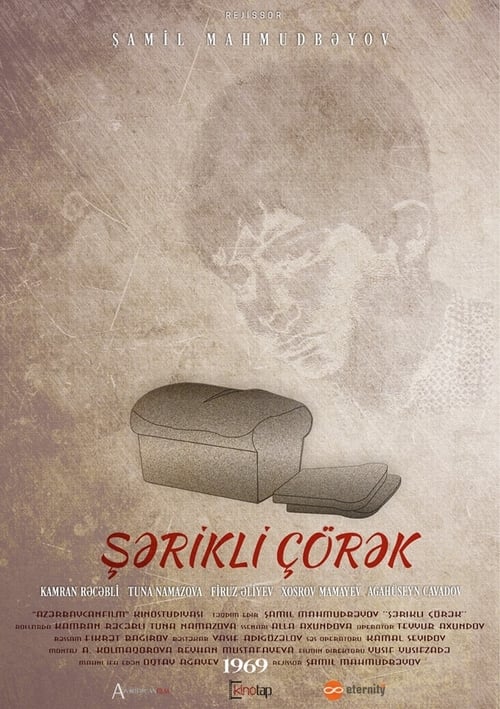
1969
Director
Shamil Makhmudbekov
Runtime
68 minutes
Average Rating
No ratings yetNew Showbiz Analysis
Shared Bread is a powerful wartime drama that delves into the harsh realities of survival and familial separation during famine. It steers clear of typical heroic war clichés to focus on the raw experience of scarcity and communal struggle. The film offers a distinctive, non-Western viewpoint rooted in Azerbaijani traditions, which sets it apart from more homogenous global cinema. However, it does not engage with contemporary identity politics or diverse representation beyond its central maternal and regional focus.
Category Breakdown
The film does not include any characters or stories related to LGBTQ+ identities or non-straight relationships.
The story focuses on a mother and son facing extreme hardship. The boy serves as the main character, but the emotional core revolves around the mother's resilience.
This Azerbaijani production provides a unique, non-Western perspective. It showcases a specific cultural context outside of mainstream Anglo-Saxon cinema.
The narrative highlights communal survival and shared resources rather than individualism. It depicts the family unit under severe systemic pressure during wartime famine.
There is no depiction of physical or cognitive disabilities in the film.
Present on Screen
Limited or Absent
Official Synopsis
While there is famine during WW2, a boy with mom far away, tries to stay strong.
2019
1977
1962
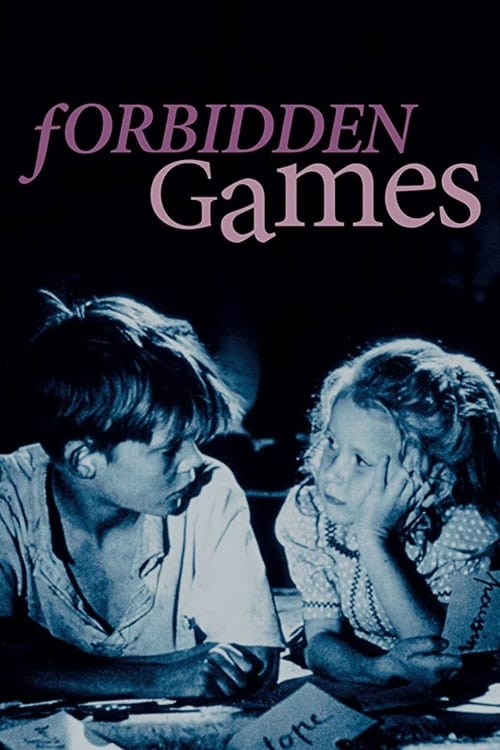
1952
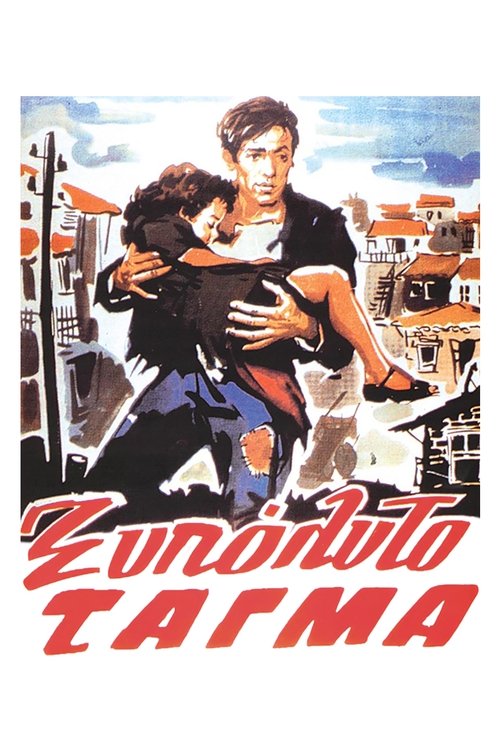
1953
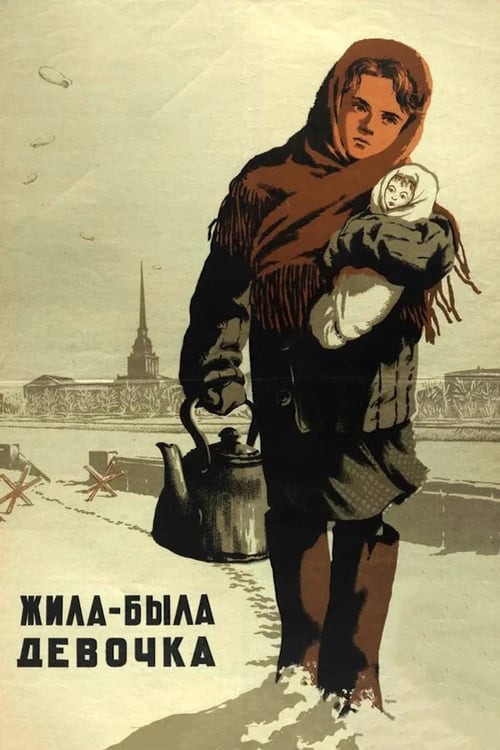
1944
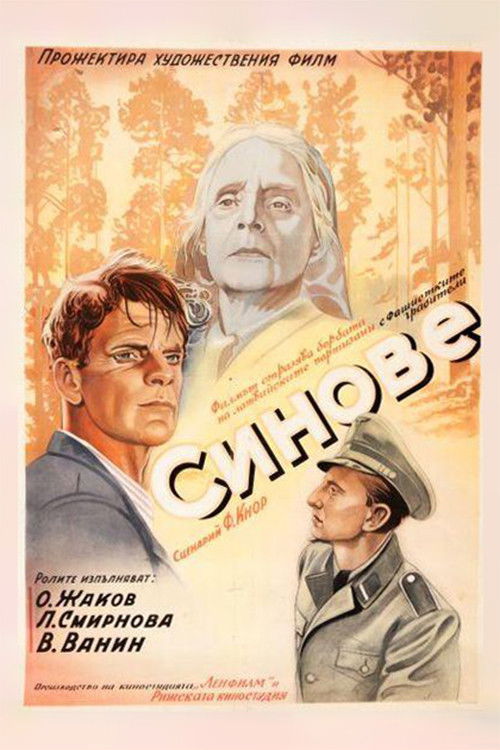
1946
1965
No reviews yet. Be the first to share your thoughts on this movie!
Use the rating form above to leave a star rating and optional review.