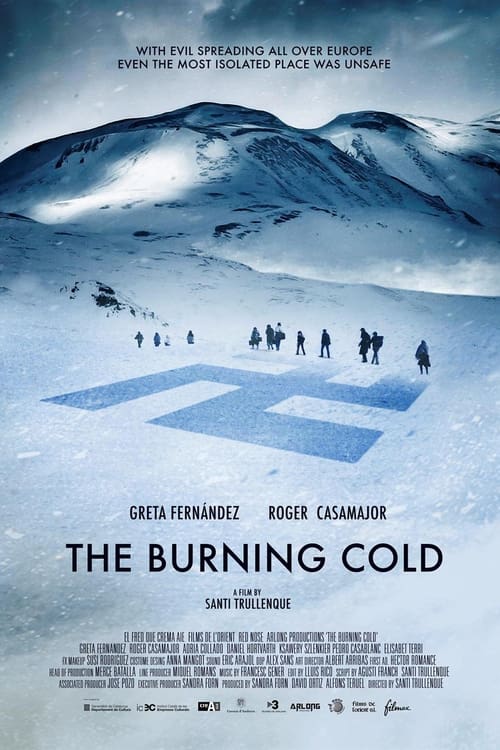
The Burning Cold
2023
No user ratings available yet
Diversity score: 5.2 out of 10
1960
Not RatedDirector
Ralph Thomas
Runtime
113 minutes
Average Rating
No ratings yetSynopsis
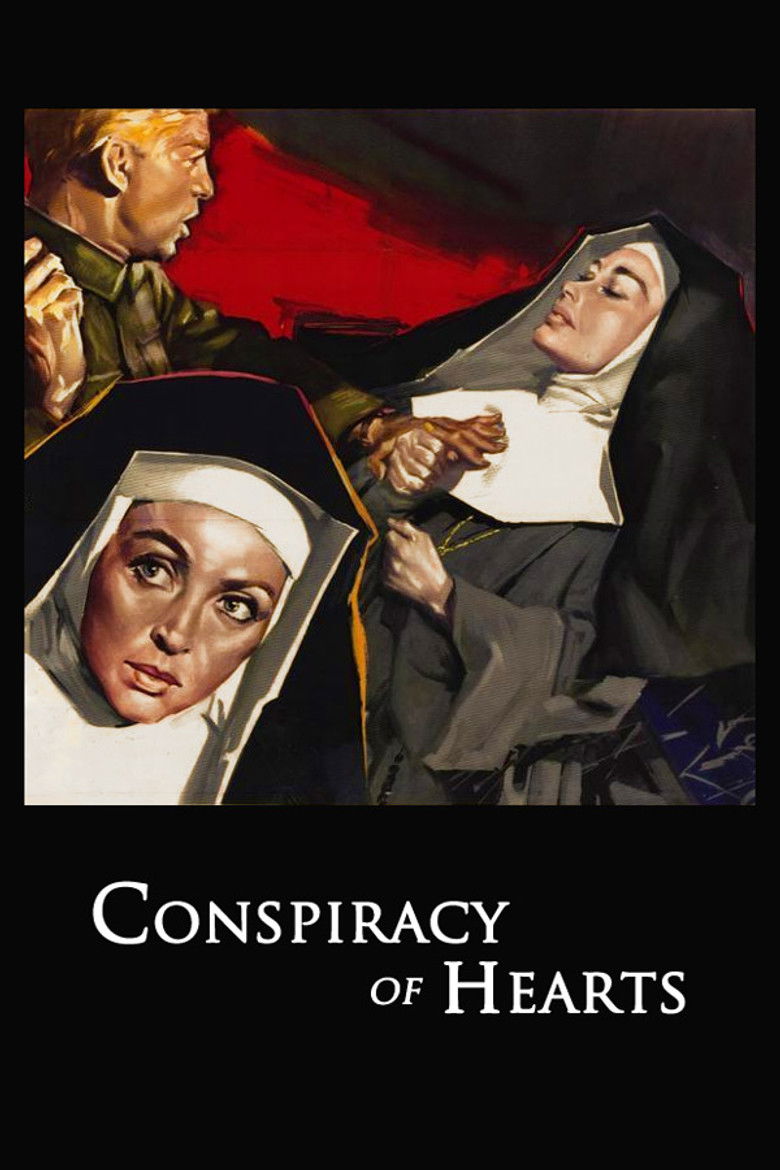
In wartime Italy nuns in a convent regularly smuggle Jewish children out of a nearby internment camp. The Italian army officer in charge suspects what may be going on but deliberately turns a blind eye. When the Germans take over the camp security the nuns' activities become far more dangerous.
Overall Score
Fair
Category Breakdown
LGBTQ+ Representation
The film contains no LGBTQ+ characters or narratives. Interpersonal dynamics remain strictly within traditional religious and wartime social frameworks.
Gender Representation
Women serve as the primary drivers of the plot, engaging in high-stakes tactical maneuvers. This subverts traditional hierarchies by portraying female protagonists as decisive moral agents.
Racial & Ethnic Diversity
The narrative focuses on the protection of Jewish children against systemic erasure. While the cast is predominantly white, the film centers on the survival of a persecuted minority.
Religious & Cultural Diversity
The film critiques institutional power by portraying military and state systems as morally compromised. It frames the nuns' subversive actions as a necessary moral response to oppression.
Disability Representation
There are no prominent depictions of physical or neurodivergent disabilities in the narrative.
Strengths
Areas for Improvement
AI Analysis
Conspiracy of Hearts succeeds in centering female agency, transforming a group of nuns from passive observers into active, tactical protagonists. By placing women at the heart of the resistance, the film challenges the dominance of male military authority during wartime. The film also provides a meaningful exploration of ethnic and religious intersectionality. While limited by the casting norms of 1960, the story's core revolves around the preservation of Jewish identity against systemic persecution. However, the film lacks representation for LGBTQ+ identities and individuals with disabilities. The narrative focus remains tightly bound to the specific religious and wartime social structures of the era.
2023

1945

1958
1946
1976
1946
1963
1960
2012
1960
1950

1965
No reviews yet. Be the first to share your thoughts on this movie!
Use the rating form above to leave a star rating and optional review.