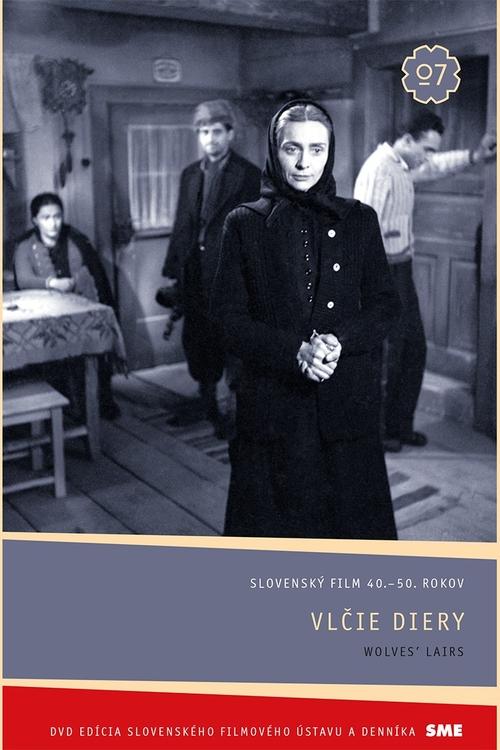
Wolves' Lairs
1948
No user ratings available yet
Diversity score: 4.8 out of 10
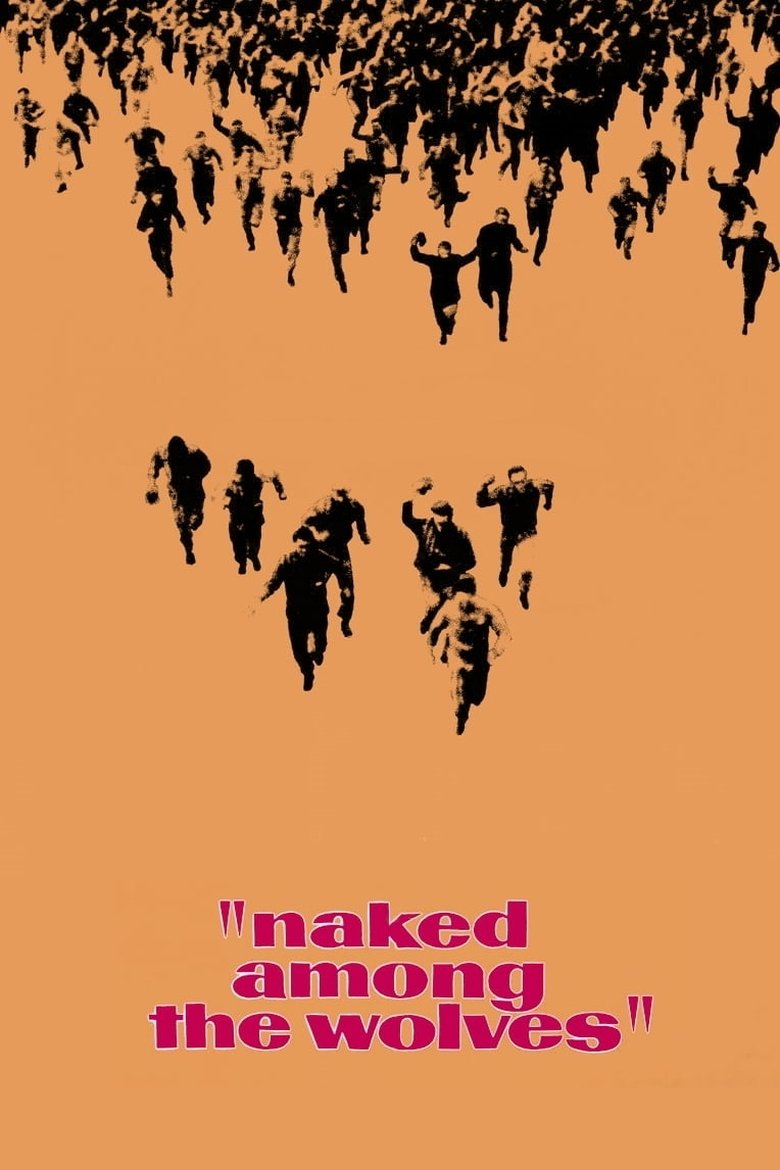
1963
Director
Frank Beyer
Runtime
124 minutes
Average Rating
No ratings yetSynopsis
Based on a true story of inmates at KZ Buchenwald that risked their lives to hide a small Jewish boy shortly before the liberation of the camp.
Overall Score
Fair
Category Breakdown
LGBTQ+ Representation
The film contains no LGBTQ+ characters or non-heteronormative identities. The narrative focuses exclusively on survival and political mobilization within the camp.
Gender Representation
Women are depicted as active political agents rather than passive figures. They participate in high-risk resistance activities, subverting traditional domestic roles through their agency.
Racial & Ethnic Diversity
The cast is predominantly white and European due to the historical setting. However, the plot introduces ethnic intersectionality through the protection of a Jewish child.
Religious & Cultural Diversity
The film offers a sophisticated critique of oppressive state institutions. It prioritizes class solidarity and anti-fascist ideology over traditional religious or Western institutional values.
Disability Representation
Characters with disabilities lack specific agency or nuanced representation. They appear primarily as part of the general atmosphere of suffering within the concentration camp.
Strengths
Areas for Improvement
AI Analysis
Naked Among Wolves is a historical drama that prioritizes political ideology and collective resistance over demographic breadth. Its strength lies in its ideological depth, framing the struggle against fascism as a moral necessity through a lens of class solidarity. While the film excels in its cultural critique of systemic tyranny, it is limited by its period setting. The lack of racial and LGBTQ+ diversity is a reflection of the historical context, though the central plot involving a Jewish child provides a vital layer of ethnic importance. Ultimately, the film functions as a study of political agency. It succeeds in portraying women as active participants in the underground movement, even as it fails to provide nuanced representation for characters with disabilities.
1948
1960
2011

1945
1946
1960
1959

2004
1997

1956
1960
1976
No reviews yet. Be the first to share your thoughts on this movie!
Use the rating form above to leave a star rating and optional review.