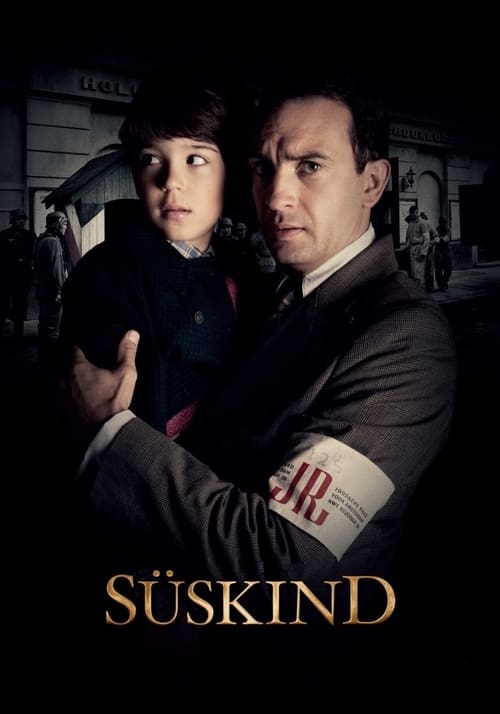
Süskind
2012
No user ratings available yet
Representation score: 4.1 out of 10
Representation Score
Limited
1997
PG-13Director
Søren Kragh-Jacobsen
Runtime
107 minutes
Average Rating
No ratings yetNew Showbiz Analysis
The film offers a character-driven look at survival during the Holocaust. By focusing on a Jewish child in a ghetto, it moves away from traditional Anglo-centric wartime stories to highlight a underrepresented perspective. However, the film lacks modern multi-layered elements. It does not include LGBTQ+ representation or neurodivergent ability to act, and gender roles are limited by the historical context. Ultimately, the film's strength lies in its critique of oppressive state power and its focus on individual vulnerability within systemic injustice.
Category Breakdown
The film does not include any LGBTQ+ characters or explore non-straight identities. The narrative focuses solely on the Nazi occupation's impact.
The story is told through the eyes of a young male protagonist named Alex. Female characters are shown mostly within family settings or as victims of wartime violence.
The film highlights the Jewish experience during the Holocaust, giving voice to a underrepresented group. However, it does not explore a broader range of diverse identities.
The narrative criticizes the failures of Western institutions and the rise of fascism. It shows how traditional social structures are broken down by violence in the ghetto.
There is no information about the portrayal of physical or neurodivergent disabilities in this work.
Present on Screen
Limited or Absent
Official Synopsis
Alex is an 11-year old boy who, during WWII, hides in the Jewish ghetto from Nazis after all his relatives have been sent to the concentration camp. The movie portrays the ghetto through his eyes.
2012

2014

2015

1952

1966
1959

2018

2023
No reviews yet. Be the first to share your thoughts on this movie!
Use the rating form above to leave a star rating and optional review.