
The Aryan Couple
2004
No user ratings available yet
Diversity score: 5.5 out of 10

1960
Director
France Štiglic
Runtime
107 minutes
Average Rating
No ratings yetSynopsis
In order to save a friend's daughter, a 17-year-old Jewish girl, from the Ustashas, the Croatian family arranges her to be wed to their son Ivo.
Overall Score
Fair
Category Breakdown
LGBTQ+ Representation
The film contains no LGBTQ+ characters or narratives. Social and romantic structures remain strictly within traditional period frameworks.
Gender Representation
Women are depicted as active participants in the resistance rather than passive figures. They demonstrate agency and resilience within the partisan struggle.
Racial & Ethnic Diversity
The narrative centers on a Jewish girl's survival, highlighting the precariousness of ethnic identity. It effectively critiques systemic threats to minority groups.
Religious & Cultural Diversity
The film is rooted in anti-fascist principles, prioritizing a collective socialist ethos. It portrays the struggle for national liberation as a moral imperative.
Disability Representation
There is no significant or intentional depiction of physical or neurodivergent disabilities in the narrative.
Strengths
Areas for Improvement
AI Analysis
The Ninth Circle succeeds as a historical drama by moving beyond wartime tropes to examine how systemic oppression affects marginalized identities. Its primary strength lies in its nuanced exploration of ethnic and religious intersectionality during the Axis occupation. While the film offers a sophisticated critique of fascist regimes and highlights the agency of female combatants, it remains limited by a lack of representation for LGBTQ+ and disabled individuals. The narrative focus is strictly tied to the historical realities of the Yugoslav theater. Ultimately, the film serves as a powerful study of collective resistance and the complexities of multi-ethnic coexistence under extreme political pressure.
2004

2013
2012
1965
1975
1983
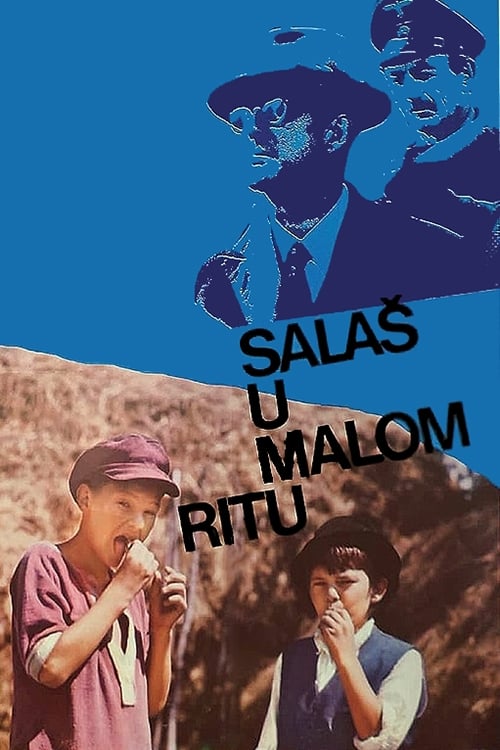
1976
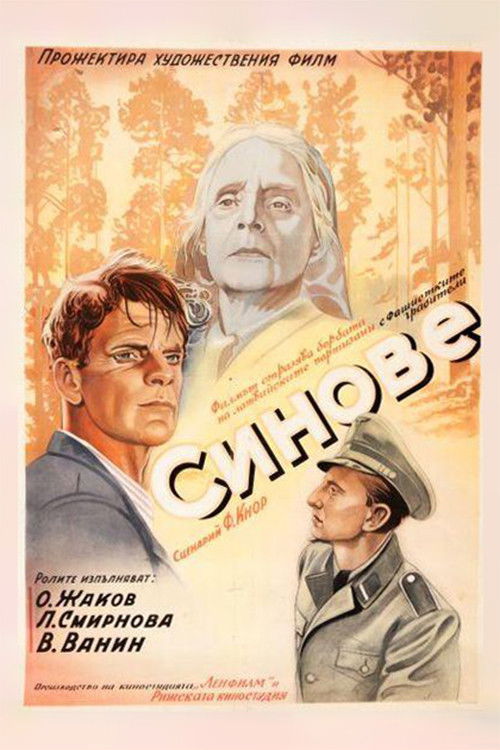
1946
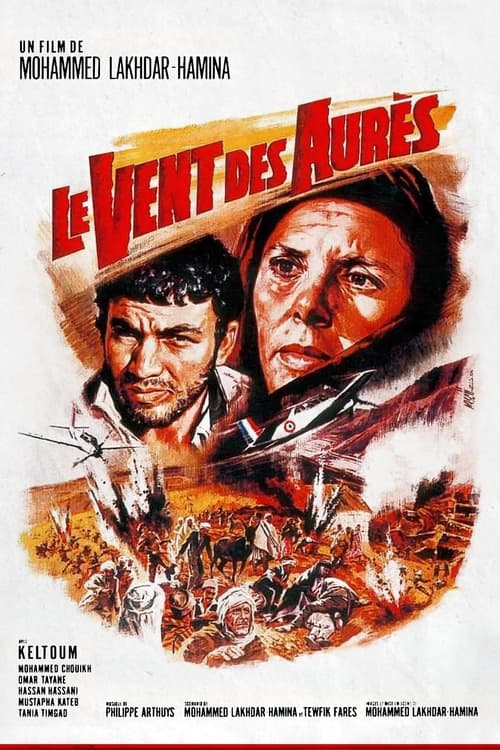
1967
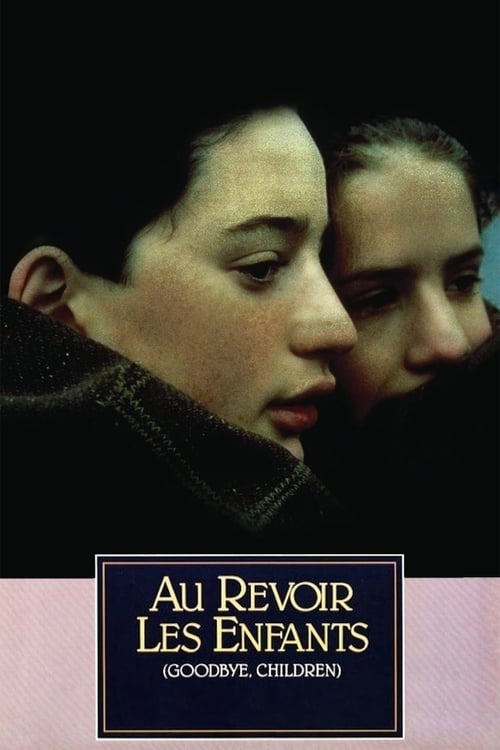
1987

1964

1960
No reviews yet. Be the first to share your thoughts on this movie!
Use the rating form above to leave a star rating and optional review.