A Time for Drunken Horses
2000
No user ratings available yet
Representation score: 6.0 out of 10
Representation Score
Limited
1989
Director
Bahram Beyzai
Runtime
120 minutes
Average Rating
No ratings yetNew Showbiz Analysis
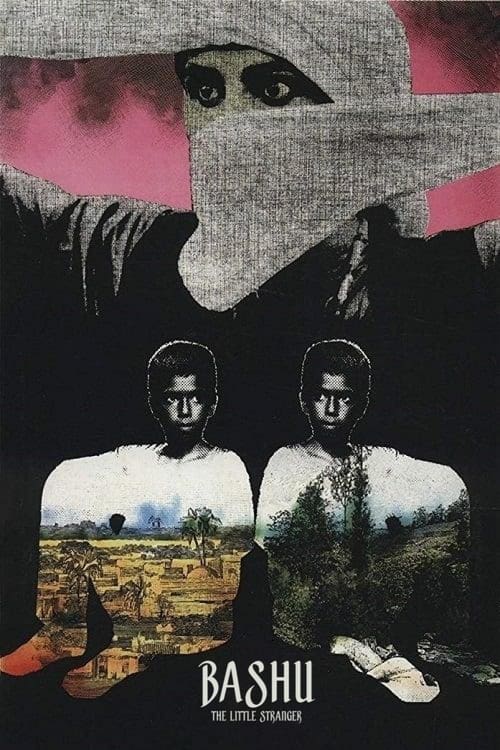
Bashu, the Little Stranger is a humanistic drama that prioritizes the psychological impact of displacement over the mechanics of war. It succeeds by centering the role of a female head of household and a displaced child. The film's strength lies in its sophisticated exploration of internal 'othering.' By highlighting linguistic and regional differences, it provides a nuanced look at identity within a single nation. However, the film lacks representation for LGBTQ+ identities and does not feature characters with disabilities. It operates within a specific historical and social framework that does not address these modern identity markers.
Category Breakdown
The film focuses on the survival and human connection between a displaced child and a rural family. There are no LGBTQ+ characters or non-straight relationships present.
Naii serves as a resilient leader, managing a farm and household while her husband is away. The film centers her role as a competent caregiver rather than a submissive figure.
The story explores internal friction between different linguistic and regional identities within Iran. This displacement highlights the experience of the stranger and challenges a monolithic national identity.
The narrative uses a humanist lens to critique the destabilizing effects of war. It focuses on the moral complexities of a community reacting to an outsider during geopolitical conflict.
No specific depictions of physical or neurodivergent disabilities are featured in the narrative.
Present on Screen
Limited or Absent
Official Synopsis
During the Iran-Iraq War, young Bashu loses his home and family. Orphaned, he sneaks into a truck leaving the area, and gets off in the Northern country, where everything from landscape to language is different. He meets Naii, trying to raise her two young children on a farm while her husband is away. Despite cultural differences and a language barrier, Bashu and Naii slowly form a strong bond.
2000
1952

1967

1960

1991
1962

2006

2005
No reviews yet. Be the first to share your thoughts on this movie!
Use the rating form above to leave a star rating and optional review.